
Hear from Our Customers
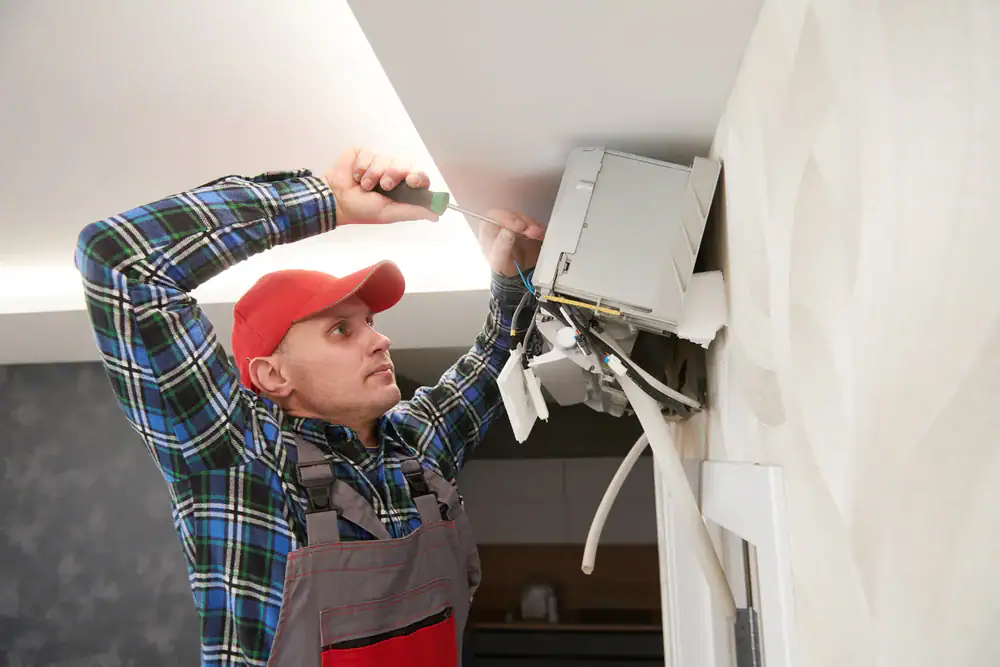
When your current system can’t keep up with Gilroy summers anymore, you’re stuck choosing between expensive repairs on an old unit or investing in something that actually works. Air conditioner replacement in Gilroy means you stop throwing money at a dying system and start seeing real returns—lower energy bills, consistent cooling in every room, and air quality that doesn’t make allergies worse.
Most homes here run AC from late spring through early fall. That’s a lot of hours on your system. An older unit working that hard costs you more every month and breaks down at the worst possible times. A new AC unit replacement in Gilroy changes that—you get modern efficiency ratings that cut energy use, better humidity control, and equipment designed to handle our dry, hot climate without constant service calls.
You’ll notice the difference immediately. Rooms that used to stay warm cool down faster. Your thermostat actually matches what the house feels like. And when July hits and temperatures climb into the 90s, you’re not wondering if your system will make it through another week.
We handle AC system replacement in Gilroy with the same approach every time—we measure your home’s actual cooling load before recommending equipment. That means you don’t end up with an oversized unit that cycles on and off constantly or an undersized system that runs nonstop and never quite gets the job done.
We’ve been working in Santa Clara County long enough to know what Gilroy homes need. The climate here isn’t forgiving. Systems get pushed hard, and shortcuts during installation show up fast—in your energy bills, in uneven temperatures, in breakdowns that shouldn’t happen on newer equipment.
When you’re ready to replace your air conditioner in Gilroy, you want someone who’ll give you straight information about what your home needs and what your options actually cost. That’s what we do.
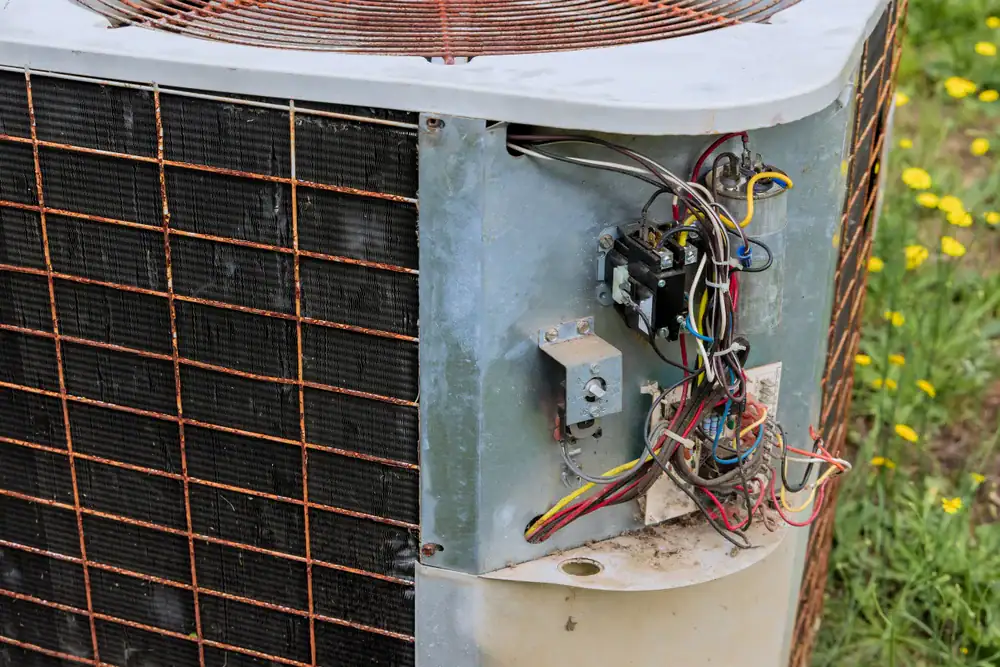
We start with an assessment of your home. That includes looking at your current system, measuring your space, checking your ductwork, and talking through what’s been frustrating you about your current setup. This isn’t a sales pitch—it’s figuring out what size and type of system your home actually needs based on square footage, insulation, window placement, and how you use your space.
Once we’ve done the load calculation, we walk you through options that fit your home and budget. You’ll see the difference between efficiency ratings, what that means for your monthly costs, and what makes sense for how long you plan to stay in your home. We give you a clear estimate that includes removal of your old system, installation of the new one, any modifications to ductwork or electrical, and testing to make sure everything runs correctly.
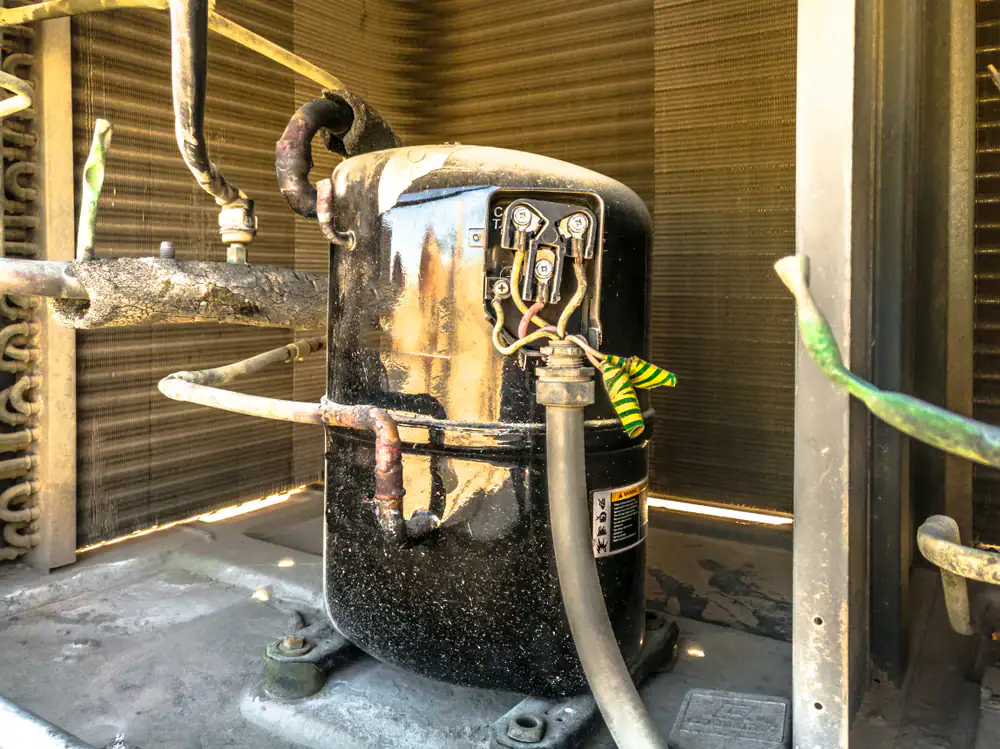
Installation day, we remove your old unit, prep the site, install the new system with proper refrigerant levels and airflow settings, then test everything before we leave. Most home AC replacement jobs in Gilroy wrap up in a day unless there are duct modifications or electrical upgrades needed. You’ll know the timeline before we start.
Ready to get started?
Your AC unit replacement in Gilroy, CA includes a full load calculation to determine the right size for your home—not a guess based on your old unit’s tonnage. Undersized systems run constantly and never cool properly. Oversized systems cycle too frequently, waste energy, and don’t dehumidify well. Proper sizing matters more than most people realize, and it’s the foundation of a system that actually performs.
You also get professional installation that follows manufacturer specs and local codes. That means correct refrigerant charge, proper airflow across the coil, secure electrical connections, and a condensate drain that won’t back up. These aren’t extras—they’re basics that determine whether your new system lasts 15 years or starts having problems in year three.
Gilroy’s climate is tough on HVAC equipment. We see temperatures in the 90s regularly during summer, and systems here work harder than they would in milder areas. That’s why we focus on efficiency ratings that make sense for heavy use—SEER2 ratings between 15 and 18 give you solid savings without paying for efficiency you won’t use. Higher ratings cost more upfront, and in our climate, the payback period matters. We’ll show you the math so you can decide what makes sense for your situation.
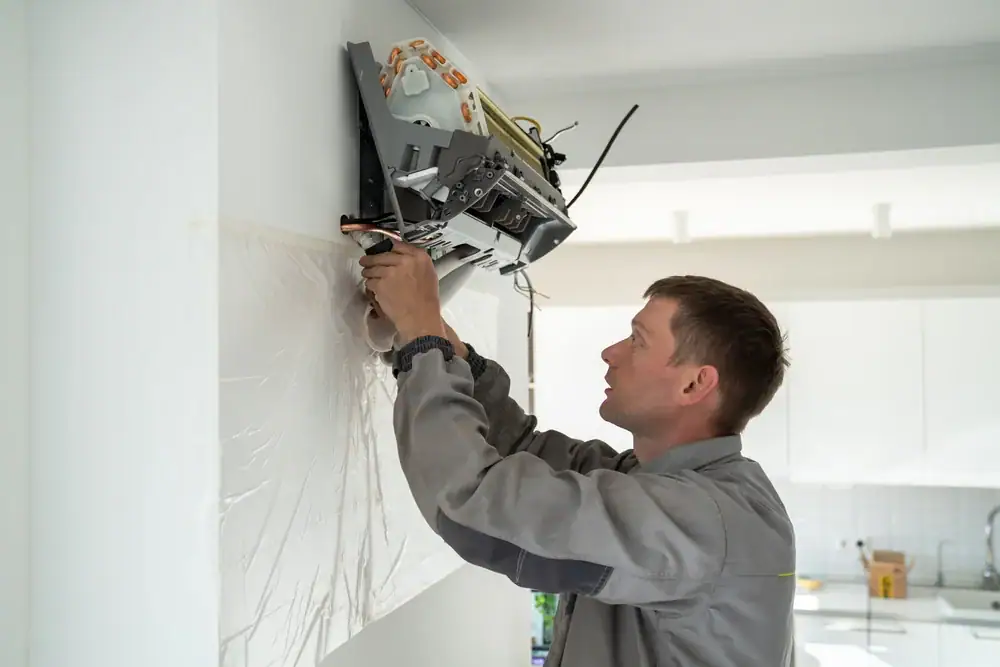
If your system is over 12 years old and repair costs are adding up, replacement usually makes more sense. A common rule: multiply the repair cost by your system’s age. If that number exceeds $5,000, you’re better off replacing.
Frequent breakdowns are another sign. If you’re calling for service multiple times per season, you’re paying for repairs on a system that’s going to keep failing. At some point, you’re just delaying the inevitable while spending money that could go toward a new unit.
High energy bills compared to neighbors with similar homes also indicate your system is losing efficiency. Older units work harder to produce the same cooling, and that shows up in your monthly costs. If your bills have climbed steadily even though your usage hasn’t changed, your AC is likely on its way out.
Size depends on your home’s specific cooling load—not just square footage. We calculate that by measuring your space, evaluating insulation levels, counting windows and their orientation, checking ductwork condition, and factoring in Gilroy’s climate.
Most homes here need between 2 and 5 tons of cooling capacity, but that’s a wide range. A 1,500 square foot home with good insulation and newer windows needs less capacity than the same size home with poor insulation and west-facing glass. Ceiling height, number of occupants, and heat-generating appliances also affect the calculation.
Contractors who size based on your old unit or use rough square footage estimates often get it wrong. Proper load calculations take about an hour and give you accurate sizing. That’s the difference between a system that keeps you comfortable and one that costs too much to run or never quite cools your home the way it should.
Most replacements finish in one day if your ductwork is in good shape and no electrical upgrades are needed. We typically start in the morning and have your new system running by late afternoon.
Jobs take longer if we find issues during installation—damaged ducts that need repair, undersized electrical panels that need upgrading, or condensate drains that aren’t draining properly. We’ll identify these during the initial assessment so you know what to expect before we start.
Some homes need duct modifications to match the new system’s airflow requirements. If your old system was the wrong size, your ducts might not distribute air correctly for a properly sized unit. Those modifications add time but make a huge difference in how well your new system performs. We’d rather take an extra day and do it right than rush through and leave you with uneven cooling.
Full system replacement typically runs between $5,000 and $12,000 depending on system size, efficiency rating, and installation complexity. Higher efficiency units cost more upfront but save money monthly if you run your AC heavily during our long cooling season.
Basic systems with SEER2 ratings around 14-15 sit at the lower end of that range. Mid-efficiency systems with ratings between 16-18 cost more but make sense for most Gilroy homes given how much we use AC. Premium systems with ratings above 18 work well if you plan to stay in your home long-term and want maximum efficiency.
Installation factors also affect cost. Homes that need ductwork repairs, electrical panel upgrades, or significant modifications to accommodate the new system cost more. We give you a detailed estimate after assessing your home so you see exactly what you’re paying for and why. No surprises, no hidden fees—just clear numbers based on what your home actually needs.
Yes, if your current system is over 10 years old. Efficiency standards have improved significantly, and newer units use less energy to produce the same cooling. A 15 SEER2 system uses about 30% less energy than a 10 SEER unit, and that difference shows up every month during cooling season.
How much you save depends on your current system’s efficiency and condition. If you’re replacing a 20-year-old unit that’s been losing efficiency for years, your savings will be substantial—often $40 to $80 per month during summer. If your current system is 10-12 years old and still running okay, savings will be more modest but still noticeable.
Gilroy’s climate means you run AC from May through September at minimum, often longer. That’s a lot of operating hours where efficiency matters. Over a 15-year lifespan, the energy savings from a properly sized, high-efficiency system can offset a significant portion of the upfront cost. We’ll show you projected savings based on your current bills and usage patterns so you can see the real payback period.
We install several quality brands and recommend based on your budget and priorities. Brands like Carrier, Trane, Lennox, and Rheem all make reliable equipment when installed correctly. The installation quality matters more than brand name—a mid-tier system installed properly outperforms a premium system installed poorly.
What matters most is matching the equipment to your home’s needs and your usage patterns. Some brands offer better warranties, others have features like variable-speed compressors that improve efficiency and comfort. We walk through the differences so you understand what you’re getting with each option.
We don’t push one brand over another because we’re not tied to any manufacturer’s sales quotas. Our job is to recommend what makes sense for your situation—whether that’s a basic single-stage system that gets the job done or a variable-speed system with advanced features. You’ll see options at different price points with clear explanations of what each one offers and why it might or might not be worth the extra cost for your home.
Other Services we provide in Gilroy