
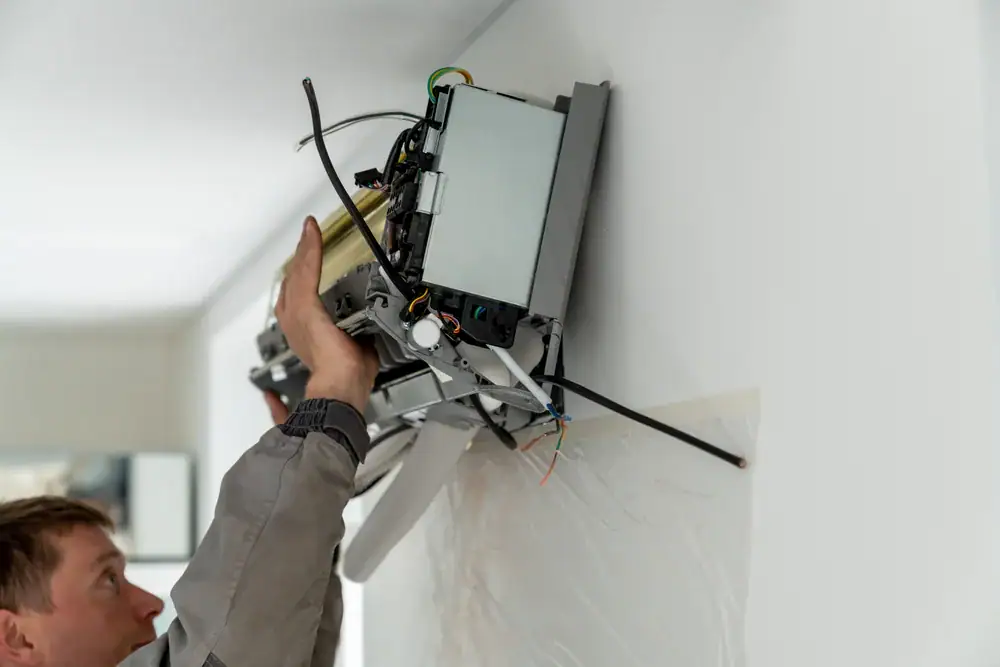
Hear from Our Customers
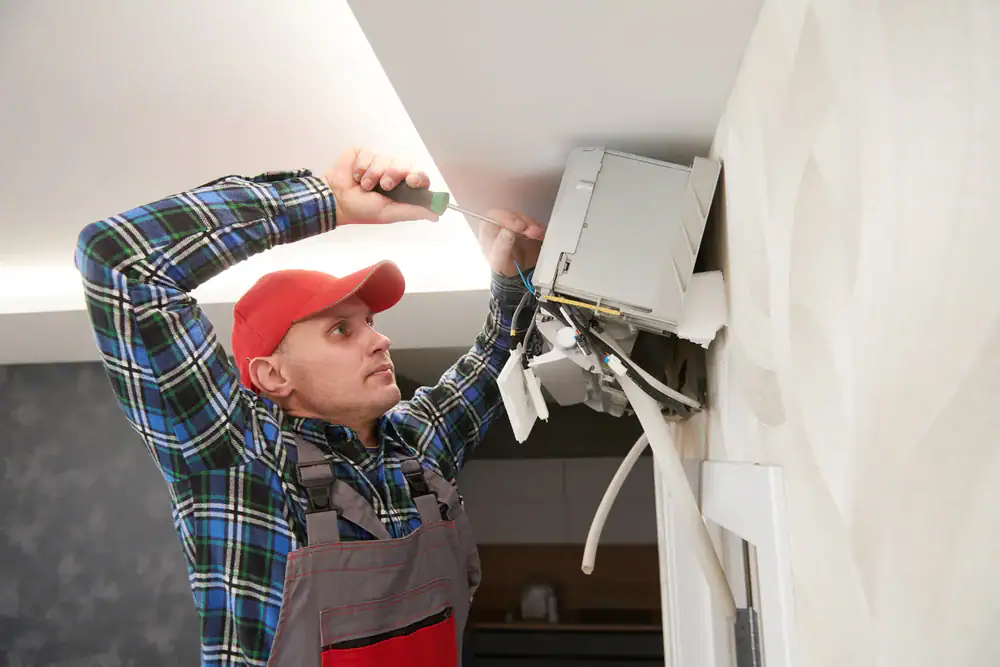
Your energy bill drops. Not by a little—by 15% to 20% if you’re replacing a system that’s been running for over a decade. That’s real money back in your account every month, especially during Ventura summers when your AC runs hard.
You stop worrying about breakdowns. No more sweating through a heatwave waiting for a repair tech. No more wondering if this is the year your system finally quits. You get reliability that handles Ventura’s temperature swings without flinching.
Your home feels different. The air is cleaner because modern systems filter out the pollen, dust, and coastal humidity that older units just recirculate. The temperature stays consistent from room to room. And you’re not dealing with that clammy feeling when the marine layer rolls in and your old system can’t keep up.
We’ve been in business since 1985. We’ve installed air conditioning unit replacement systems in Ventura, CA long enough to know what coastal salt air does to equipment and which brands hold up when the ocean breeze turns corrosive.
We’re not new to this market. We’ve seen what happens when systems aren’t sized correctly for Ventura’s climate, when installers skip the details that matter, and when homeowners get stuck with equipment that fails early because nobody accounted for local conditions.
You’re working with people who show up, do the work right, and don’t disappear when you need service later. That matters more than most homeowners realize until they’re dealing with a company that doesn’t answer the phone.
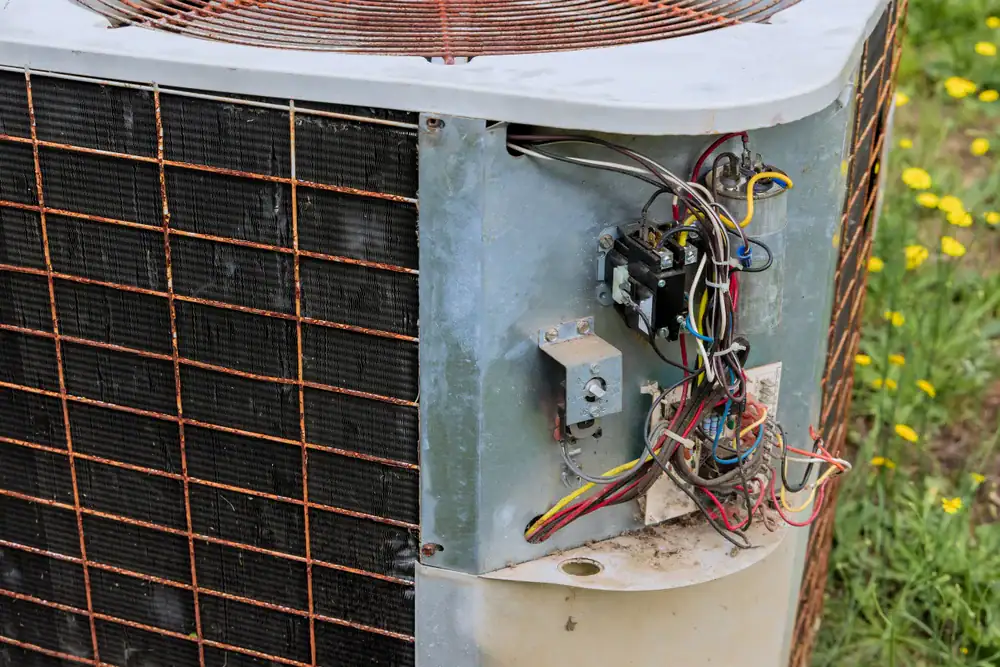
First, we come out and look at your current setup. We’re checking your home’s square footage, insulation, ductwork condition, and how your old system was installed. We need to know if your ducts are leaking, if your airflow is restricted, and whether your previous unit was even the right size. A lot of homes in Ventura have systems that were undersized from day one.
Then we talk about what you actually need. If your system is over 15 years old, you’re looking at a full replacement—not because we want to sell you something bigger, but because older units use refrigerants that are being phased out and parts are getting harder to find. We’ll walk through efficiency ratings, what they mean for your monthly costs, and which systems handle coastal conditions without corroding in five years.
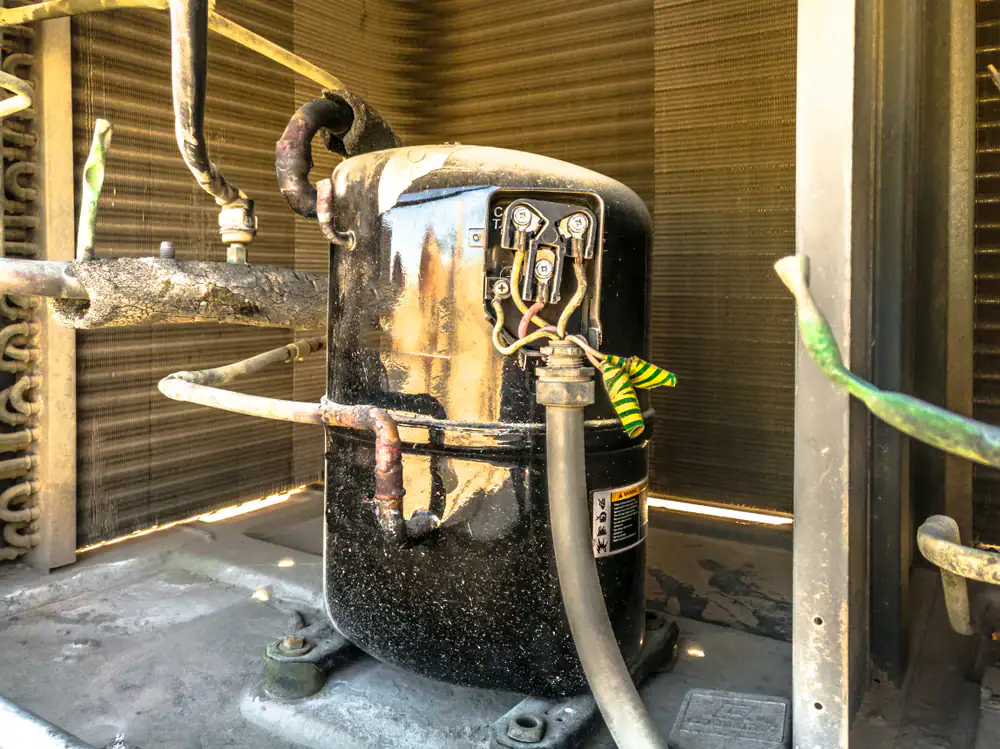
Installation day, we pull the old unit, check your electrical panel to make sure it can handle the new system, and install everything according to manufacturer specs. We’re not rushing. We’re making sure refrigerant lines are properly insulated, drain lines are clear, and your thermostat is talking to your new system correctly. Then we test everything, show you how it works, and make sure you’re comfortable before we leave.
Ready to get started?
You’re getting equipment that meets 2026 efficiency standards, which means it uses less energy and qualifies for available rebates. Systems we install in Ventura are rated at least 14.3 SEER2, and if you want to drop your cooling costs even further, we can go up to 17 SEER2 or higher. That difference can save you $200 a year in a climate where your AC runs as much as it does here.
You’re also getting components built to handle salt air. Coastal corrosion is real in Ventura—it settles on coils, eats through metal, and kills systems early if they’re not protected. We use coated coils and rust-resistant materials on outdoor units because we’ve seen what happens when installers don’t.
Your new system comes with a manufacturer warranty that covers parts, and we back our installation work. You’ll also get a system that uses R-32 or R-454B refrigerant, which is what’s replacing R-410A starting in 2026. That means you’re not dealing with obsolete technology or scrambling for a replacement in a few years when everyone else is upgrading at once.
And if your ductwork needs attention, we’ll tell you. Leaky ducts waste 20% to 30% of your cooled air, which means you’re paying to cool your attic instead of your living room. We’ll seal them, test airflow, and make sure your new system is actually delivering cold air where you need it.
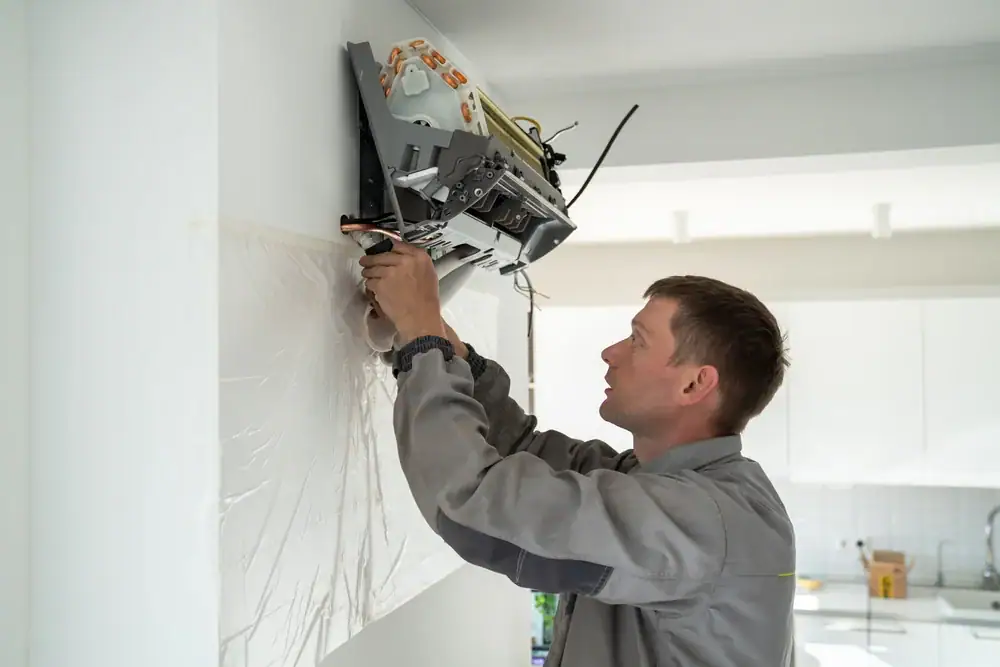
Most homeowners in Ventura pay between $4,000 and $8,000 for a complete air conditioner replacement, with the average landing around $5,989. That range depends on the size of your home, the efficiency rating you choose, and whether your ductwork or electrical panel needs upgrades.
If you’re replacing a system in an older Ventura home—and a lot of homes here were built decades ago—you might need additional work. Older homes often have undersized ducts, outdated wiring, or insulation issues that affect how well your new system performs. We’ll tell you upfront if that’s the case.
Higher efficiency systems cost more initially but save you more each month. A 17 SEER2 system will run you more than a baseline 14.3 SEER2 unit, but in Ventura’s climate where you’re running AC heavily from late spring through fall, that efficiency pays back faster than it would in cooler areas.
A properly installed AC system in Ventura typically lasts 15 to 20 years, but coastal conditions can shorten that if the equipment isn’t protected. Salt air is corrosive—it settles on coils and metal components, creating barriers that reduce efficiency and cause premature failure.
That’s why the quality of installation and the materials used matter as much as the brand you choose. Systems with coated coils and rust-resistant components last longer here than standard units. And if your installer skips steps like proper refrigerant charging or duct sealing, your system works harder than it should, which shortens its lifespan.
Regular maintenance adds years to your system. Cleaning coils, changing filters, and checking refrigerant levels keeps everything running efficiently. Most homeowners who stay on top of maintenance get the full 15 to 20 years. Those who don’t usually start seeing problems around year 10.
Yes, and here’s why. If your system is over 15 years old, you’re already past the point where repairs make financial sense. Older units are inefficient, use outdated refrigerants, and cost more to run every month than a new system would.
Waiting until it dies means you’re replacing it during a heatwave when demand is high, availability is low, and you’re stuck paying whatever it takes to get cool again. You lose negotiating power, you can’t shop around, and you’re making a major decision under pressure.
Replacing it proactively gives you time to compare options, take advantage of rebates, and schedule installation when it’s convenient. You also avoid the emergency service fees and the discomfort of waiting days for a new system during peak season. If your AC is struggling to keep up, making noise, or driving up your energy bills, replace it now before it decides for you.
For Ventura, you want a system rated at least 17 SEER2 if you’re serious about cutting energy costs. That efficiency level reduces cooling energy by 15% to 20% compared to baseline systems, and in a climate where your AC runs heavily for months, that adds up fast.
Variable-speed systems work well here because they adjust output based on demand instead of running full blast every time they kick on. That means better humidity control when the marine layer rolls in, more consistent temperatures throughout the day, and less wear on components because the system isn’t constantly cycling on and off.
Two-stage or modular systems are also worth considering. They run at lower capacity most of the time and ramp up only when needed, which saves energy and handles Ventura’s temperature swings better than single-stage units. You’ll pay more upfront, but the monthly savings and improved comfort make it worth it if you’re planning to stay in your home long-term.
Not always, but it’s common in older Ventura homes. If your ducts are leaking, undersized, or poorly insulated, your new AC won’t perform the way it should. You’ll lose 20% to 30% of your cooled air before it even reaches your living space, which means higher bills and uneven temperatures.
We test ductwork as part of every AC replacement estimate. We’re looking for leaks, checking airflow, and making sure the duct size matches your new system’s capacity. If your old system was undersized and your ducts were designed around that, we might need to modify them to handle the increased airflow from a properly sized unit.
Sealing and insulating ducts isn’t expensive compared to the overall cost of AC replacement, and it makes a huge difference in performance. If your ducts are in rough shape, fixing them now means your new system works efficiently from day one instead of wasting energy for the next 15 years.
Rebates change frequently, but high-efficiency systems—typically 17 SEER2 and above—often qualify for utility rebates through Southern California Edison or local energy programs. These can range from a few hundred dollars to over a thousand depending on the efficiency level and current program funding.
Federal tax credits are also available for qualifying systems. The Inflation Reduction Act extended credits for energy-efficient home upgrades, including AC systems that meet specific efficiency thresholds. You’ll want to confirm current rates because they adjust, but it’s worth factoring into your decision.
We’ll tell you what’s available when we give you an estimate. Some rebates require specific installation practices or documentation, and we handle that as part of the process. The key is to ask before you buy—rebates often have limited funding and expire once the money runs out, so timing matters.