
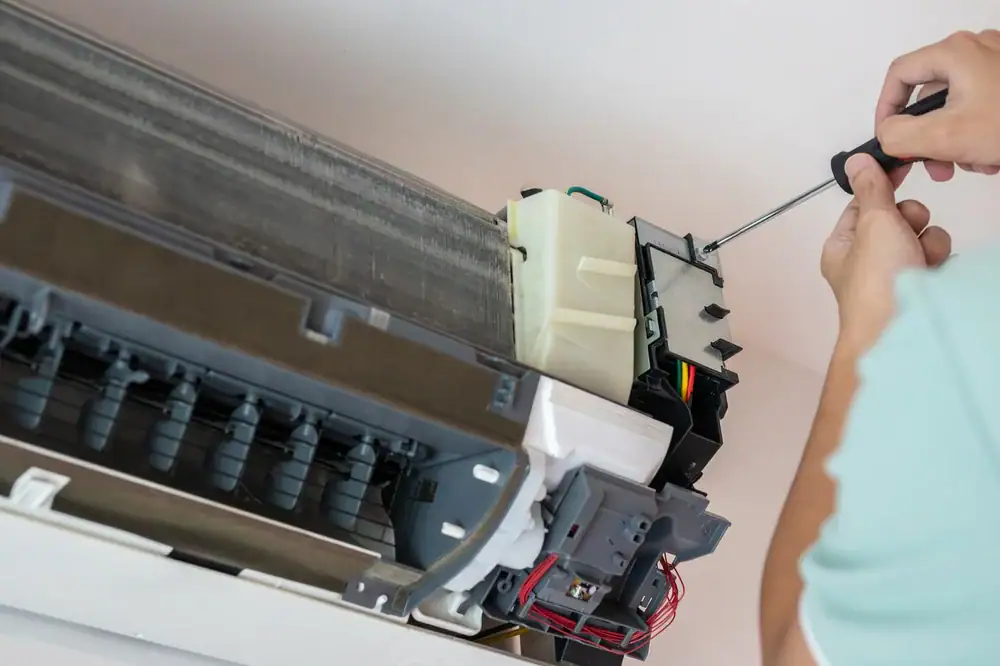
Hear from Our Customers
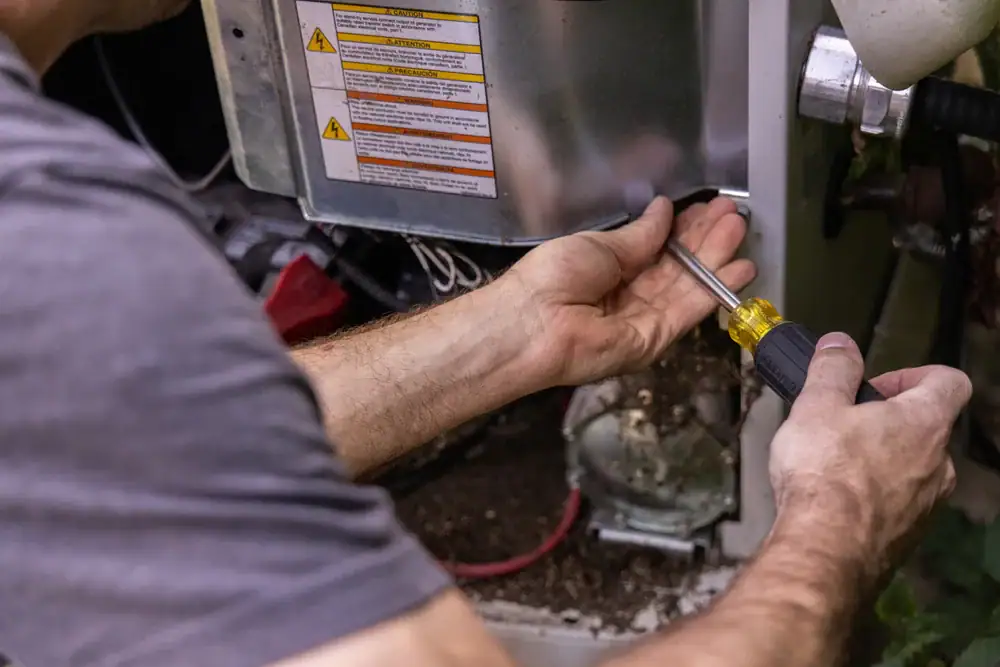
Your AC quits during a heatwave. Your furnace goes out on the coldest night of the year. Your system starts making noises that shouldn’t exist. These aren’t minor inconveniences—they’re urgent problems that affect your home, your family, and your ability to function.
When your HVAC system fails in Ventura, you’re dealing with more than just discomfort. You’re watching your energy bills climb while your system struggles. You’re wondering if that strange smell means something dangerous. You’re losing sleep because your bedroom feels like a sauna or an icebox.
We handle HVAC repair in Ventura, CA with the urgency it deserves. We show up fast, diagnose the real problem, and fix it right the first time. You get your home back to normal without the runaround, without the upselling, and without wondering if the repair will actually last.
Ventura’s coastal location creates specific problems for heating and cooling systems. The salty ocean air corrodes outdoor units faster than you’d see inland. Temperature swings from cool coastal mornings to hot afternoons stress your system daily. Humidity levels fluctuate, affecting efficiency and indoor air quality.
We understand these local challenges because we work with them every day. Our HVAC technician team in Ventura, CA has seen how the marine layer impacts condensation, how salt accelerates wear on coils, and how Ventura’s unique weather patterns affect system performance. We don’t just fix what’s broken—we account for the environmental factors that caused the problem in the first place.
You’re hiring people who know your area, not a national chain reading from a generic script.
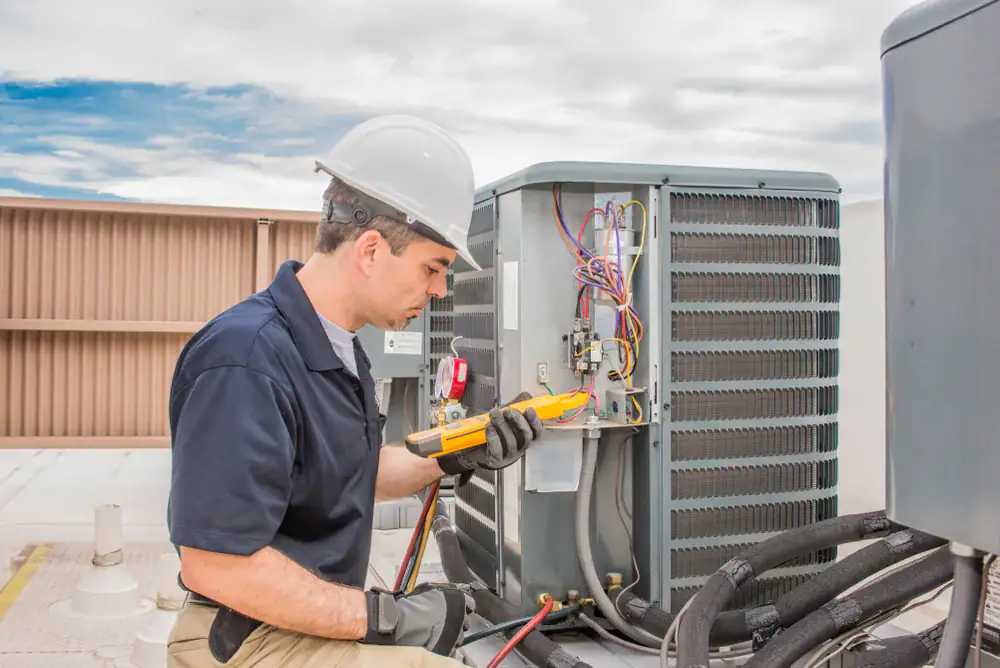
You call or contact us online. We ask a few quick questions about what’s happening with your heating and cooling system in Ventura, CA—not to waste time, but to send the right technician with the right parts.
We schedule a visit that works for your timeline. For emergencies, we aim for same-day service. For routine repairs, we show up when we say we will.
Our technician arrives, assesses the system, and explains what’s wrong in plain language. No jargon. No scare tactics. Just the facts about what failed, why it failed, and what it takes to fix it. We give you a clear estimate before any work starts.
Once you approve, we make the repair using quality parts that match your system. We test everything to confirm it’s working properly. Then we walk you through what we did and answer any questions you have about preventing future issues.
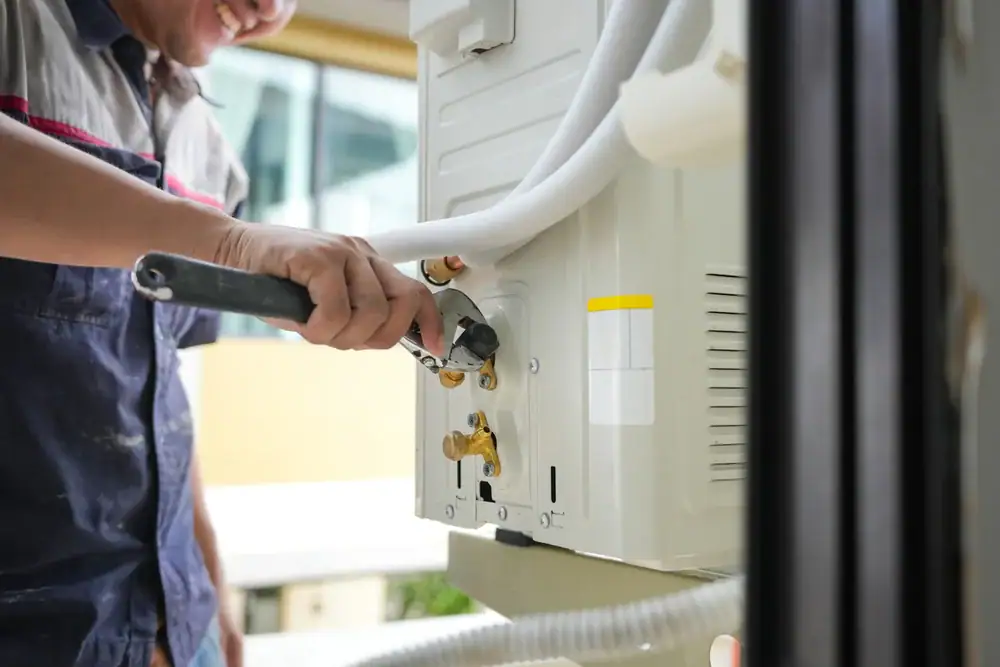
Ready to get started?
Every HVAC repair in Ventura, CA starts with a complete system diagnostic. We check refrigerant levels, test electrical connections, inspect your ductwork for leaks, and examine components for wear. Ventura’s coastal environment accelerates corrosion on outdoor units, so we pay special attention to coils, fins, and connections exposed to salt air.
You get honest answers about what needs fixing now versus what can wait. If your compressor is failing, we’ll tell you. If it’s just a capacitor, we’ll tell you that too. We’re not here to sell you a new system when a repair will do the job.
Our repairs address the root cause, not just the symptom. If your system is short-cycling, we find out why—whether it’s a thermostat issue, a refrigerant leak, or an oversized unit. If you’re hearing strange noises, we track down the source instead of just turning up the fan to mask it.
We also look at efficiency. Ventura’s warm summers mean your AC works hard, and inefficient operation costs you money every month. During repairs, we identify opportunities to improve performance—whether that’s cleaning coils, sealing ducts, or adjusting airflow.
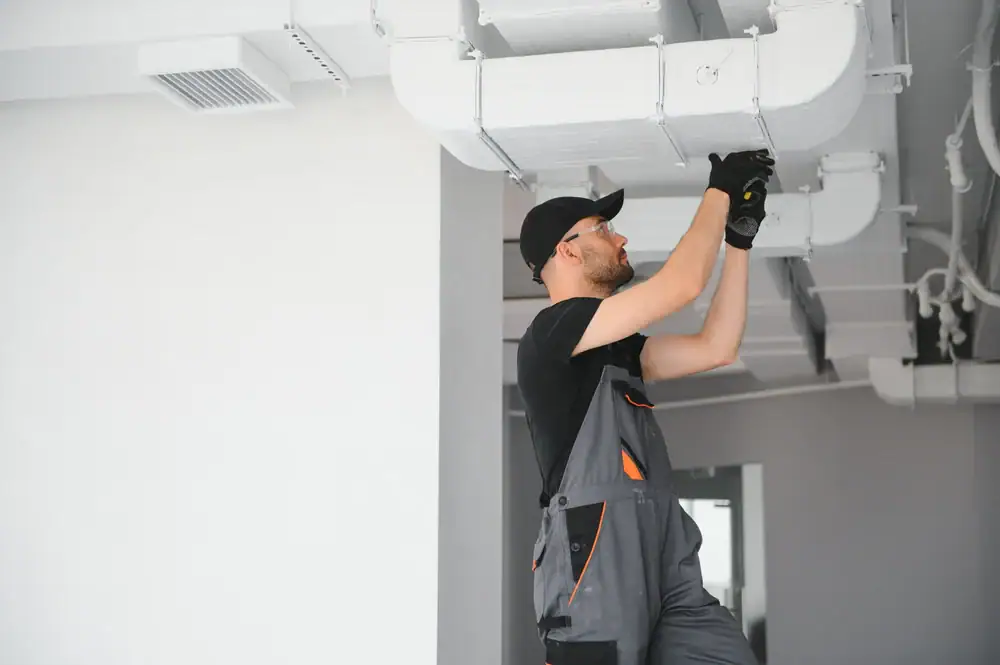
We aim for same-day service on emergency calls, especially during extreme weather when your system failure isn’t just uncomfortable—it’s urgent. Ventura’s temperature swings mean a broken AC during a heatwave or a failed furnace during a cold snap affects your home immediately.
When you call with an emergency, we prioritize your situation based on severity and our current schedule. Most common issues—like a tripped breaker, a failed capacitor, or a thermostat problem—we can diagnose and fix in a single visit. More complex repairs might require ordering parts, but we’ll give you a realistic timeline upfront.
We also offer after-hours emergency service because HVAC systems don’t fail on a convenient schedule. If your system quits at 9 PM on a Saturday, you shouldn’t have to wait until Monday to get help.
Ventura’s coastal climate is harder on HVAC systems than most people realize. Salt air corrodes metal components on outdoor units—coils, fins, and electrical connections all deteriorate faster near the ocean. If you’re within a few miles of the coast, your system faces constant exposure to corrosive elements that inland systems never deal with.
Temperature fluctuations also stress your equipment. Cool mornings, hot afternoons, and evening marine layer create constant cycling that wears out components faster. Your system works harder to maintain comfort when outdoor conditions change throughout the day.
Lack of maintenance accelerates these problems. Dirty coils reduce efficiency and force your system to run longer. Clogged filters restrict airflow and strain the blower motor. Refrigerant leaks go unnoticed until your AC stops cooling entirely. Regular maintenance catches these issues before they become expensive repairs, but most homeowners skip it until something breaks.
If your system is under 10 years old and the repair costs less than half the price of replacement, repair usually makes sense. If it’s over 15 years old, struggling to keep up, and facing a major repair like a compressor or heat exchanger, replacement often saves you money long-term.
Ventura’s coastal environment shortens system lifespan compared to inland areas. A unit that might last 20 years in Bakersfield might need replacement after 12-15 years near the Ventura coast due to salt corrosion. Age matters, but so does condition—if your system has been well-maintained, it might have years of life left even if it’s older.
Energy efficiency is another factor. Systems older than 15 years use significantly more energy than modern units. If your summer electric bills are climbing and your system runs constantly, a new high-efficiency unit might pay for itself in energy savings within a few years. We’ll run the numbers with you so you can make an informed decision based on your specific situation, not a sales pitch.
Banging or clanking usually means something is loose—a fan blade, a mounting bracket, or a component inside the cabinet. These noises often get louder over time as the loose part causes more damage. Ignoring them leads to bigger repairs.
Rattling typically points to debris in the system, loose ductwork, or a failing motor mount. Sometimes it’s as simple as leaves or small branches that got into your outdoor unit. Other times it’s a motor bearing that’s wearing out and needs replacement before it fails completely.
Humming or buzzing often indicates electrical issues—a failing capacitor, a struggling motor, or loose wiring. These sounds can signal problems that will leave you without heating or cooling if they’re not addressed. Screeching or squealing usually means a belt is slipping or a bearing needs lubrication. In Ventura’s coastal climate, salt corrosion can cause components to seize up, creating friction and noise. Any persistent unusual sound deserves attention before it turns into a complete system failure.
Salt air is the biggest factor. It corrodes metal components on your outdoor unit—aluminum fins on coils, copper refrigerant lines, and electrical connections all deteriorate faster near the ocean. This corrosion reduces efficiency, causes refrigerant leaks, and shortens your system’s lifespan. Coastal units often need replacement 3-5 years sooner than identical systems installed inland.
Humidity from the marine layer affects indoor air quality and system performance. Higher moisture levels can promote mold growth in ductwork, especially if your system isn’t properly maintained. Your AC has to work harder to remove humidity, which increases runtime and energy costs.
Temperature swings are more dramatic in Ventura than in inland areas. You might need heat in the morning, nothing midday, and AC by afternoon. This constant cycling stresses components and leads to more frequent repairs. Your system never gets a break—it’s constantly adjusting to changing conditions, which accelerates wear on motors, compressors, and control boards.
If your ducts are actually dirty, yes—cleaning them improves airflow, reduces dust circulation, and can help your system run more efficiently. But duct cleaning isn’t necessary for every home, and it won’t fix underlying HVAC problems like a failing compressor or refrigerant leak.
Ventura homes near agricultural areas or the beach often accumulate more dust and debris in ductwork. Coastal humidity can also promote mold growth inside ducts, especially if there’s been moisture intrusion or if your system has drainage issues. If you’re noticing musty odors, visible dust blowing from vents, or family members experiencing worsening allergies, duct cleaning might help.
However, duct cleaning services in Ventura should be part of a broader approach to indoor air quality—not a standalone solution. Cleaning ducts but ignoring a dirty filter, leaking ducts, or poor ventilation won’t solve your air quality problems. We assess your entire system to identify what’s actually causing issues. Sometimes you need duct sealing more than cleaning. Sometimes you need better filtration. We’ll tell you what will actually make a difference instead of just selling you a service.
Get Your Free HVAC Quote Today
Contact our friendly team today for a free estimate and experience the difference.
Company
Support
Useful Links