
Hear from Our Customers
You stop thinking about it. That’s the goal.
No more standing water in the shower. No more toilets that run all night. No more wondering if that slow leak under the sink is about to become your weekend nightmare. You get systems that do their job without reminding you they exist.
Loyola homes average over 40 years old. Older homes mean older pipes, outdated fixtures, and problems that show up without warning. Hard water here builds up mineral deposits that choke your water pressure. Galvanized pipes corrode from the inside out. Cast iron sewer lines crack and collapse.
When you call a plumbing contractor in Loyola, CA who knows what they’re looking at, you get real answers. Not a Band-Aid. Not a “let’s see if this holds.” You get a diagnosis that makes sense and a fix that lasts because the work was done right the first time.
We serve Loyola and the surrounding Santa Clara County area. We’ve built our reputation on showing up when we say we will and explaining what’s actually wrong before we start tearing into your walls.
You’re not getting a new hire learning on your dime. You’re getting technicians who’ve seen what happens when a slab leak goes unnoticed for months or when someone tries to patch a main line with hardware store fittings. We use the right materials for the job—copper where it matters, PEX where it makes sense, and commercial-grade fixtures that won’t need replacing in two years.
If it’s an emergency, we move fast. If it’s not, we’ll tell you that too. You’ll know what it costs before we start, and you’ll understand why.
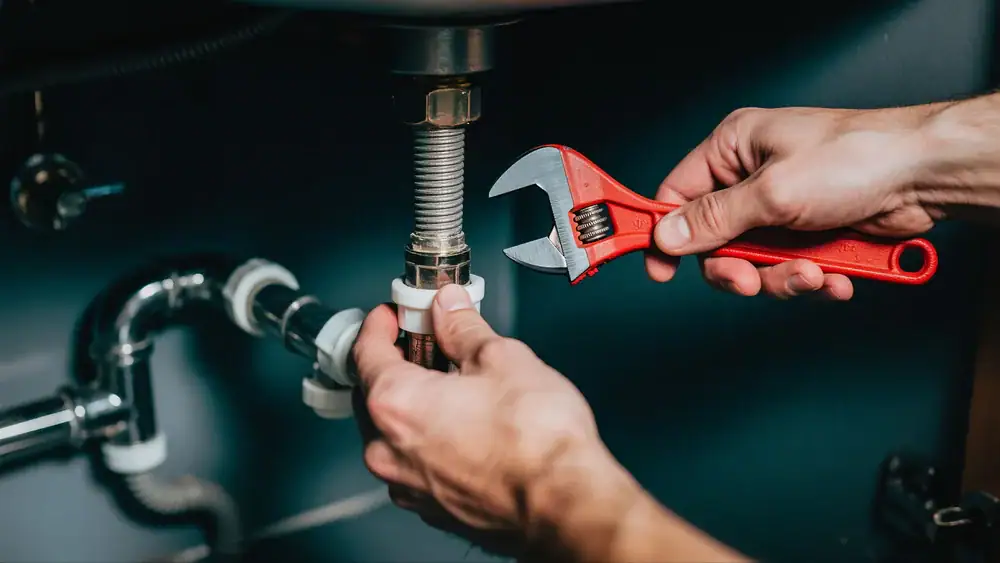
First, we listen. You tell us what’s going on—leak, clog, no hot water, weird noise, whatever it is. We ask a few questions to understand the scope and get a technician scheduled.
When we arrive, we assess the situation. That means looking at the problem, but also understanding your system. Is this a one-off issue or a symptom of something bigger? We’ll check water pressure, inspect visible pipes, and test fixtures if needed. Then we explain what we found in plain terms.
You get a clear estimate. No surprises. If there are options—repair vs replace, standard vs upgraded materials—we walk through them. You decide what makes sense for your home and your budget.
Once you approve, we get to work. We protect your floors, keep the mess contained, and finish the job correctly. Before we leave, we test everything, clean up, and make sure you know how to avoid the same problem down the road. If something doesn’t work right after we leave, we come back and make it right.
Ready to get started?
We cover the full range. Emergency plumbing repair when something breaks and can’t wait. Water heater repair and replacement when you’re stuck with cold showers. Drain cleaning for clogs that won’t clear with a plunger. Sewer line inspection and repair when you’ve got backups or slow drains throughout the house.
Fixture installation and replacement—sinks, faucets, toilets, garbage disposals. Pipe repair and repiping for leaks, corrosion, or outdated materials like galvanized steel. Slab leak detection and repair, which is critical in Loyola’s older housing stock where concrete foundation leaks can cause serious damage if ignored.
We also handle water pressure issues, which are common here due to mineral buildup from hard water. Low pressure usually means clogged aerators or corroded pipes. High pressure can damage fixtures and appliances. We’ll diagnose the cause and fix it so your water flows the way it should.
California’s Title 24 standards require water-efficient fixtures in many situations. If you’re remodeling or replacing old toilets and faucets, we’ll make sure you’re compliant and help you take advantage of any available rebates for low-flow installations.
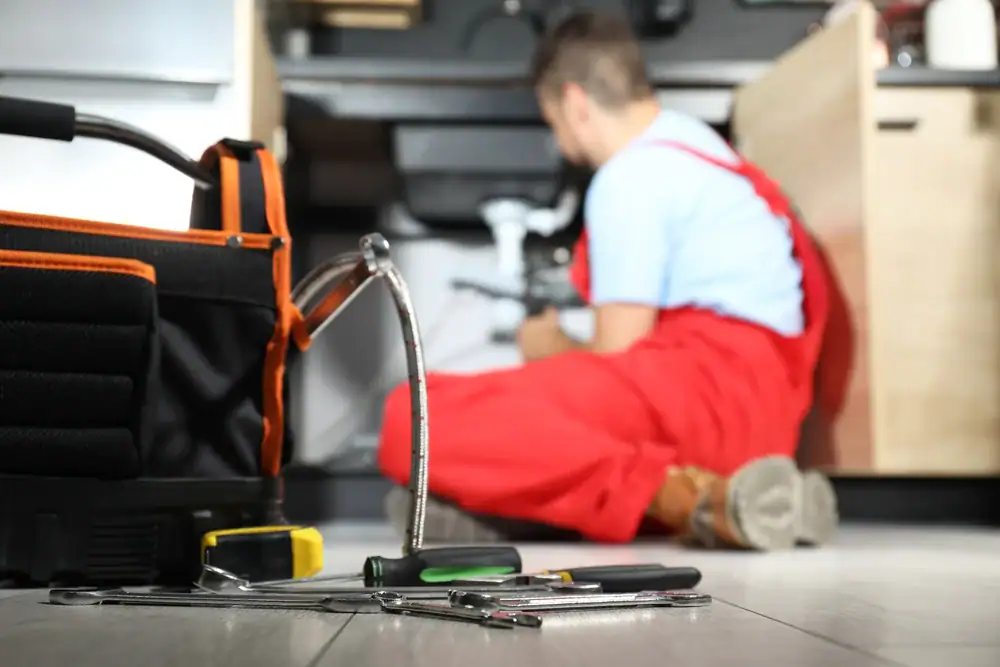
It depends on what’s broken and how complicated the fix is. Simple jobs like unclogging a drain or replacing a faucet usually run $150 to $300. More involved work—like water heater replacement, slab leak repair, or sewer line work—can range from $500 to several thousand depending on materials, labor, and access.
We don’t charge by the hour and then drag things out. You get a flat-rate estimate after we diagnose the problem. That way you know exactly what it costs before any work starts.
If it’s an emergency and you need someone now, there may be an additional fee for after-hours or weekend service. But we’ll tell you that upfront. No hidden charges. No surprise invoices.
Yes. Pipes don’t wait for business hours to burst, and water heaters don’t care if it’s Sunday morning.
If you’ve got an active leak, no water, sewage backing up, or anything else that can’t wait until tomorrow, call us. We’ll get someone out as fast as we can to stop the damage and get your system working again.
Emergency calls get priority. That means we’re not making you wait two days while your bathroom floods. We dispatch a technician, they assess the situation, and they handle the immediate problem. Sometimes that’s a full repair. Sometimes it’s a temporary fix to stop the bleeding until we can do the permanent work during normal hours. Either way, you’re not left dealing with a disaster on your own.
Slab leaks are a big one. Homes built on concrete foundations often have copper pipes running underneath. Over time, those pipes corrode or develop pinhole leaks. You’ll notice warm spots on the floor, higher water bills, or the sound of running water when nothing’s on.
Galvanized pipes are another issue. Homes built before the 1980s often used galvanized steel, which rusts from the inside. That leads to low water pressure, discolored water, and eventually leaks. The only real fix is repiping with copper or PEX.
Sewer line problems show up as frequent backups, slow drains in multiple fixtures, or sewage smells. Tree roots infiltrate old clay or cast iron sewer lines, causing blockages and cracks. A camera inspection shows us exactly where the problem is so we can repair or replace that section without tearing up your entire yard.
Hard water buildup clogs aerators, showerheads, and reduces flow. Mineral deposits also damage water heaters and appliances over time. A water softener helps, but if the buildup is already severe, we may need to descale or replace affected fixtures.
Age is the first clue. Most tank water heaters last 8 to 12 years. If yours is in that range and starting to act up, replacement usually makes more sense than throwing money at repairs.
If you’re getting inconsistent hot water, rusty or discolored water, strange noises, or visible leaks around the base, those are signs it’s failing. Small issues like a faulty thermostat or heating element can be repaired. But if the tank itself is corroding, it’s done.
Tankless water heaters last longer—up to 20 years—but they need regular maintenance to prevent mineral buildup, especially with Loyola’s hard water. If a tankless unit stops heating or shows error codes, we’ll diagnose whether it’s a simple fix or if the unit is shot.
Energy efficiency matters too. Newer models use significantly less energy, which lowers your utility bills. If your current water heater is old and inefficient, the savings from a new unit can offset the replacement cost over time. We’ll walk you through the math so you can make an informed decision.
Absolutely. Hard water is a fact of life in this area, and it causes real problems if you don’t address it.
Mineral deposits clog your pipes, reduce water pressure, and leave white buildup on faucets and showerheads. They also shorten the lifespan of your water heater and appliances by creating scale inside the tank and on heating elements.
We can install a water softener system that removes calcium and magnesium before they enter your plumbing. That stops new buildup and protects your fixtures and appliances going forward. If you already have significant scale buildup, we may need to descale your water heater or replace clogged fixtures.
Another option is a whole-house water filtration system, which improves water quality and reduces mineral content. We’ll test your water, explain what’s in it, and recommend a solution that fits your home and budget. You’ll notice the difference immediately—better water pressure, cleaner fixtures, and appliances that last longer.
First, stop the water if you can. Most fixtures have a shut-off valve nearby—under the sink, behind the toilet, or near the water heater. Turn it clockwise to close it. If you can’t find the local shut-off or it’s not working, go to your main water shut-off valve, usually located near the water meter or where the main line enters your house.
If you’ve got an active leak, move anything valuable out of the way and try to contain the water with towels or buckets. Don’t try to fix it yourself if you’re not sure what you’re doing—you can make it worse.
Then call us. Explain what’s happening and where the problem is. We’ll ask a few quick questions to understand the severity and get someone dispatched. If it’s after hours, you’ll still reach a live person, not a voicemail.
While you wait, take photos of any damage for insurance purposes. Turn off electricity to any affected areas if water is near outlets or appliances. And stay calm—we’ve seen it all, and we’ll get it handled.
Other Services we provide in Loyola