
Hear from Our Customers
Your roof passes inspection the first time. No callbacks about non-compliant materials. No surprise fees because someone didn’t understand Title 24 or wildfire codes.
You’re looking at a Class A fire-rated system that meets California’s 2025 energy standards. That means your insurance stays intact, your home value holds, and you’re not redoing work that should’ve been done correctly from the start.
The materials we install are built for what Aldercroft Heights actually deals with: sun exposure that cooks shingles faster than the valley, thermal cycling that wears down sealants, and fire risk that requires specific ratings. You get a roof designed for this climate, not just dropped on top of your house because it was cheap.
We work in the Los Gatos Mountains because we understand the code requirements, the travel logistics, and the specific challenges your property faces. We’re licensed, insured, and we don’t treat your home like a quick job between valley appointments.
Aldercroft Heights isn’t an easy area to service. Highway 17 can add unpredictable time, and once you’re off the main road, access takes planning. We account for that. We show up prepared, we know the local building department, and we don’t leave you hanging when something needs attention.
You’re dealing with a C-39 licensed roofing contractor who’s worked in mountain communities long enough to know what fails inspections and what holds up long-term.
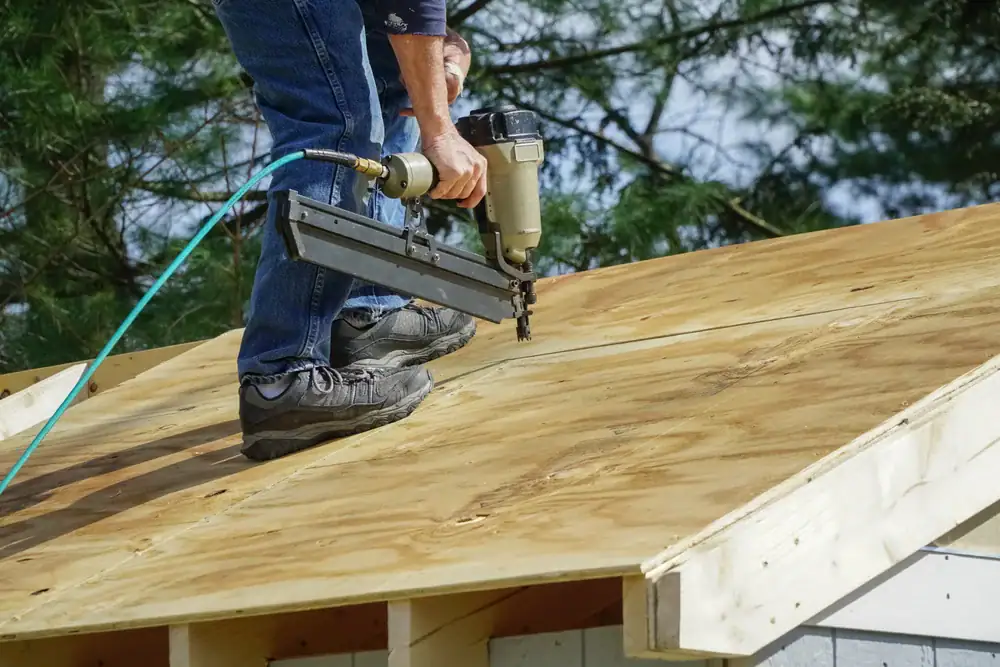
We start with an inspection of your current roof. That means checking for structural issues, measuring for materials, and confirming what your property needs to meet current codes. If you’re in a wildfire zone, we’re verifying fire ratings. If your roof area exceeds 50% replacement, we’re planning for the structural compliance inspection that’s now required.
Once we know what you need, you get a clear estimate. No vague line items. No “we’ll figure it out later” pricing. You’ll know what materials we’re using, why they’re spec’d that way, and what timeline to expect.
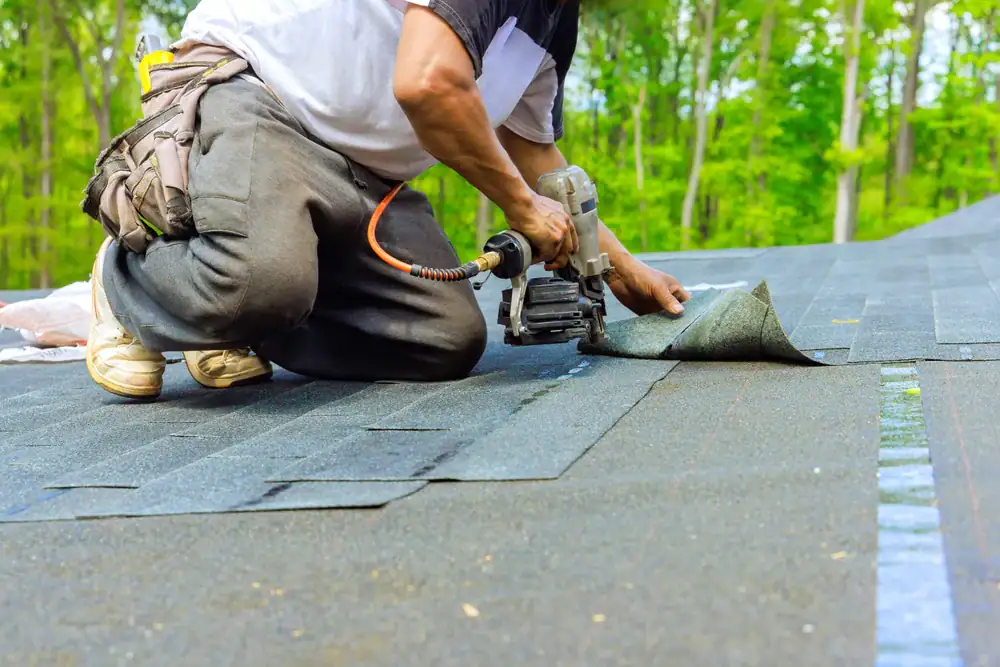
The installation follows California’s building standards. We handle permitting, coordinate inspections, and make sure everything from underlayment to flashing is done to code. If there’s an issue, we catch it before the inspector does. When the job’s finished, your roof is compliant, warrantied, and built to handle what this area throws at it.
Ready to get started?
You’re getting Title 24-compliant materials that meet California’s thermal emittance and reflectance requirements effective January 2026. That’s not optional—it’s code. We use cool roof technology where applicable to help with energy efficiency, which matters when you’re paying California utility rates.
Fire ratings are non-negotiable in Aldercroft Heights. You’re in a wildfire risk zone, so we’re installing Class A fire-rated materials—fiberglass asphalt shingles, concrete or clay tiles, or metal depending on your home and budget. These materials resist direct flame exposure and embers, which is exactly what your insurance company and the fire marshal expect.
If your project triggers the 50% rule, we’re coordinating the structural compliance inspection. A licensed engineer verifies your roof framing and bracing meet lateral load resistance standards. We handle that process so you don’t have to chase down engineers or reschedule inspections.
You also get a roof designed to handle seismic activity. California requires specific bracing and attachment standards, and we’re building to those specs whether it’s new construction or a replacement. The goal is a roof that stays attached to your house when the ground moves.
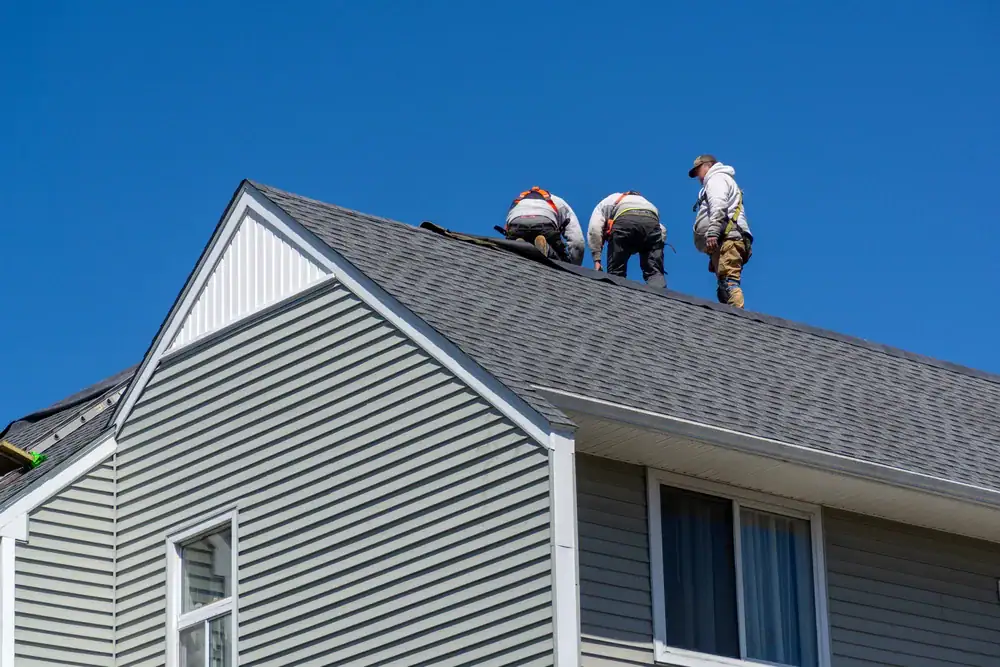
Asphalt shingle roofs typically last 20 to 30 years in California’s climate. That lifespan gets shorter if your roof faces south and takes constant sun exposure, which accelerates aging. Thermal cycling—hot days, cool nights—wears down sealants faster than you’d see in more moderate climates.
Clay or concrete tile roofs last significantly longer, often 50 years or more. Metal roofs fall somewhere in between, depending on the material and finish. The key factor is how well the roof was installed and whether it’s getting any maintenance.
Mountain homes deal with additional stress. You’re not just managing sun and heat. You’re also dealing with wind, potential snow load in winter, and debris from surrounding trees. A roof that’s poorly installed or made from subpar materials won’t make it to the 20-year mark. One that’s done right and checked periodically will outlast the average.
Title 24 is California’s energy code, and it sets specific requirements for roofing materials used in new construction and re-roofing projects. As of January 2026, your roof needs to meet standards for thermal emittance, aged reflectance, and Solar Reflectance Index. Those aren’t suggestions—they’re code.
If your roofer uses materials that don’t meet these standards, your project fails inspection. That means tearing off what was just installed and starting over. A $20,000 roof replacement becomes a $30,000 to $35,000 problem because someone didn’t check compliance before ordering materials.
We verify that every material spec’d for your job meets Title 24 before we start. That includes confirming product certifications and making sure the installation method aligns with code requirements. You’re not finding out about compliance issues after the fact. You’re getting a roof that passes inspection the first time and keeps your project on schedule.
Yes. Aldercroft Heights is in a designated wildfire risk zone, which means Class A fire-rated materials aren’t optional—they’re required. Class A is the highest fire resistance rating available, and it’s what your insurance company and local building codes expect.
Class A roofs can withstand direct exposure to flames and embers. That matters when wildfire conditions mean embers are traveling miles from the fire line and landing on roofs. Materials like fiberglass asphalt shingles, concrete or clay tiles, and metal roofing meet this standard. Wood shakes and other combustible materials don’t.
If you install a roof that doesn’t meet fire ratings, you’re risking your insurance coverage. Many carriers in high-risk areas either won’t insure homes with non-compliant roofs or charge significantly higher premiums. You’re also putting your property at greater risk during fire season. A Class A roof is a baseline requirement, not an upgrade.
If your re-roofing project exceeds 50% of your total roof area, it triggers a structural compliance inspection. That means a licensed engineer or architect has to verify that your roof’s framing and bracing meet minimum lateral load resistance standards. This is a seismic safety requirement.
The inspection checks whether your roof structure can handle the loads it’s designed for—wind, seismic activity, and the weight of the roofing materials themselves. If your framing doesn’t meet current standards, you may need reinforcement before the new roof goes on.
This isn’t something you can skip. The building department requires sign-off from a licensed professional before they’ll approve your project. We coordinate that inspection as part of the process so you’re not scrambling to find an engineer or delaying your timeline. It adds a step, but it’s a step that ensures your roof is structurally sound and compliant with California’s building codes.
The average cost for a roof replacement in California in 2025 is around $34,425. For a typical 1,500 to 2,000 square foot roof, you’re looking at $12,150 to $48,600 depending on materials, complexity, and site conditions. Mountain homes often land on the higher end of that range.
Why? Access is harder. Materials and crews take longer to get to your property. If your roof has multiple levels, steep pitches, or requires significant tear-off and disposal, costs go up. Fire-rated materials and Title 24-compliant products also cost more than basic shingles, but they’re required.
You’re also paying for expertise. A roofer who understands mountain home requirements, wildfire codes, and Title 24 compliance costs more than someone who doesn’t. That difference shows up in whether your roof passes inspection, how long it lasts, and whether you’re dealing with callbacks and repairs a year later. Cheaper bids often mean shortcuts, non-compliant materials, or contractors who don’t understand what your property actually needs.
The best window for roof replacement in California runs from May through October. That’s when you get the most consistent dry weather, which matters for installation. Shingles need time to seal properly, and that doesn’t happen if they’re getting wet during or immediately after installation.
Mountain weather can be less predictable than the valley, so scheduling during the dry season reduces the chance of delays. You’re also avoiding the rainy season, which can stretch projects out and create issues with exposed roof decking.
That said, if you’re dealing with a leak or storm damage, waiting isn’t always an option. We handle emergency repairs and can work around weather when needed. But if you’re planning a full replacement and you have flexibility, late spring through early fall gives you the best conditions and the most predictable timeline.
Other Services we provide in Aldercroft Heights
Get Your Free HVAC Quote Today
Contact our friendly team today for a free estimate and experience the difference.
Company
Support
Useful Links