Tile Roofing in San Jose, CA

Roofs That Last Generations, Not Just Years
Your roof should outlive your mortgage, not fail halfway through it. Tile roofing in San Jose gives you 50 to 100 years of proven protection, energy savings up to 20%, and the authentic California style your home deserves.

Four Decades Local Experience

Serving San Jose and Santa Clara County since 1985 means we understand your climate, your codes, and what actually works here.

Licensed California Roofing Contractors

Proper C-39 licensing and full insurance protection give you the legal safeguards that unlicensed crews simply can't provide.

Family Owned Since Day One

As a local family business, we have a reputation to protect in this community, which means quality work matters more than quick profits.

Complete Tile Roof Specialists

From clay to concrete to Spanish profiles, we handle every tile type with the specialized knowledge these systems demand.
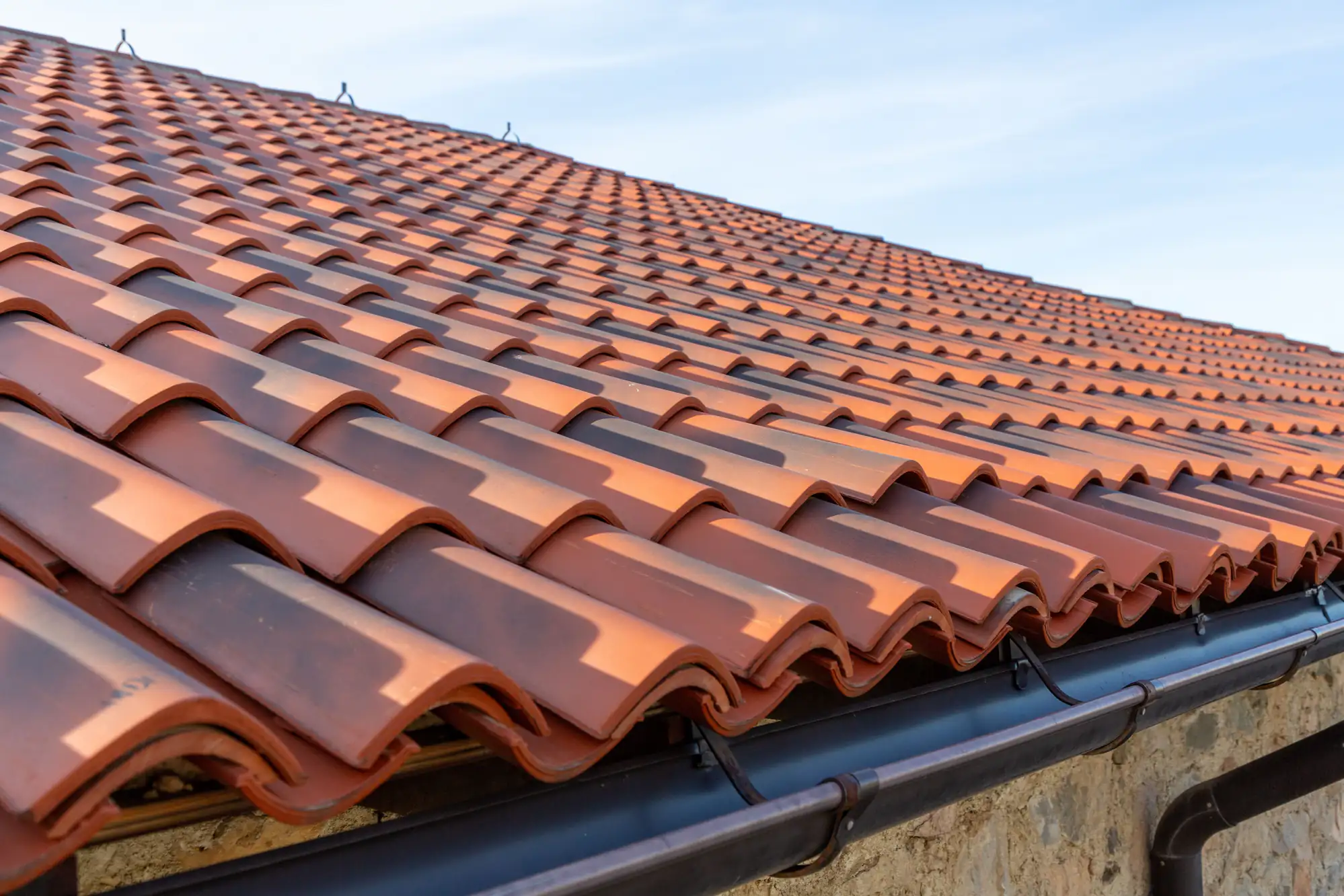
Tile Roofing Installation in San Jose

The Roof Material California Homes Were Built For

Tile roofing isn’t just about looks, though the Mediterranean charm definitely adds value. It’s about choosing a material that was designed for exactly this climate. Hot summers, occasional rain, fire risk, seismic activity—tile handles all of it while keeping your home cooler and your insurance premiums lower. Clay tile roofs in San Jose commonly last 50 to 75 years, with many pushing past a century when properly maintained. Concrete tile offers similar durability at a lower price point. Both give you Class A fire ratings, wind resistance up to 150 mph, and the kind of thermal performance that actually shows up on your energy bills. Whether you’re building new, replacing an aging roof, or repairing storm damage, tile roofing in Santa Clara County remains one of the smartest long-term investments you can make.

Hear from Our Customers

Benefits of Tile Roofing in San Jose

What You Actually Get From Tile

These aren’t marketing promises. They’re measurable outcomes that show up in lower bills, higher appraisals, and decades without needing a new roof.

Your cooling costs drop by up to 20 percent because tile's natural thermal mass keeps heat out during those 90-degree summer days.

You avoid the expense and disruption of multiple roof replacements since quality tile installations last 50 to 100 years.

Your home value increases by 10 to 15 percent, and buyers recognize tile as a premium feature worth paying for.

Fire insurance stays manageable because Class A-rated tile roofing meets California's strictest wildfire protection standards.

Individual damaged tiles get replaced without tearing off your entire roof, which means repairs stay affordable and targeted.

Your maintenance schedule stays simple with just periodic inspections instead of constant patching, sealing, and emergency fixes.

A large white number 1 centered inside a solid black circle on a light gray background, representing top-rated Cooling Heating in San Jose & Santa Clara County, CA.

Share project details

Call us or get a free online quote to help us identify your project needs.

A large white number 2 is centered inside a solid black circle on a plain white background, representing CA Cooling Heating San Jose & Santa Clara County’s commitment to clear, reliable service.

We'll follow up

If you requested an online quote, you can expect a callback within 24-48 hours of your request.

A large white number 3 is centered inside a solid black circle on a plain light gray background, representing Cooling Heating San Jose & Santa Clara County, CA.

The floor is yours

Connect with an expert and share all project specifics.

A bold white number 4 centered inside a solid black circle on a light gray background, representing Cooling Heating San Jose & Santa Clara County, CA.

Plan your project

Like what you hear? We'll provide next steps and expert guidance.
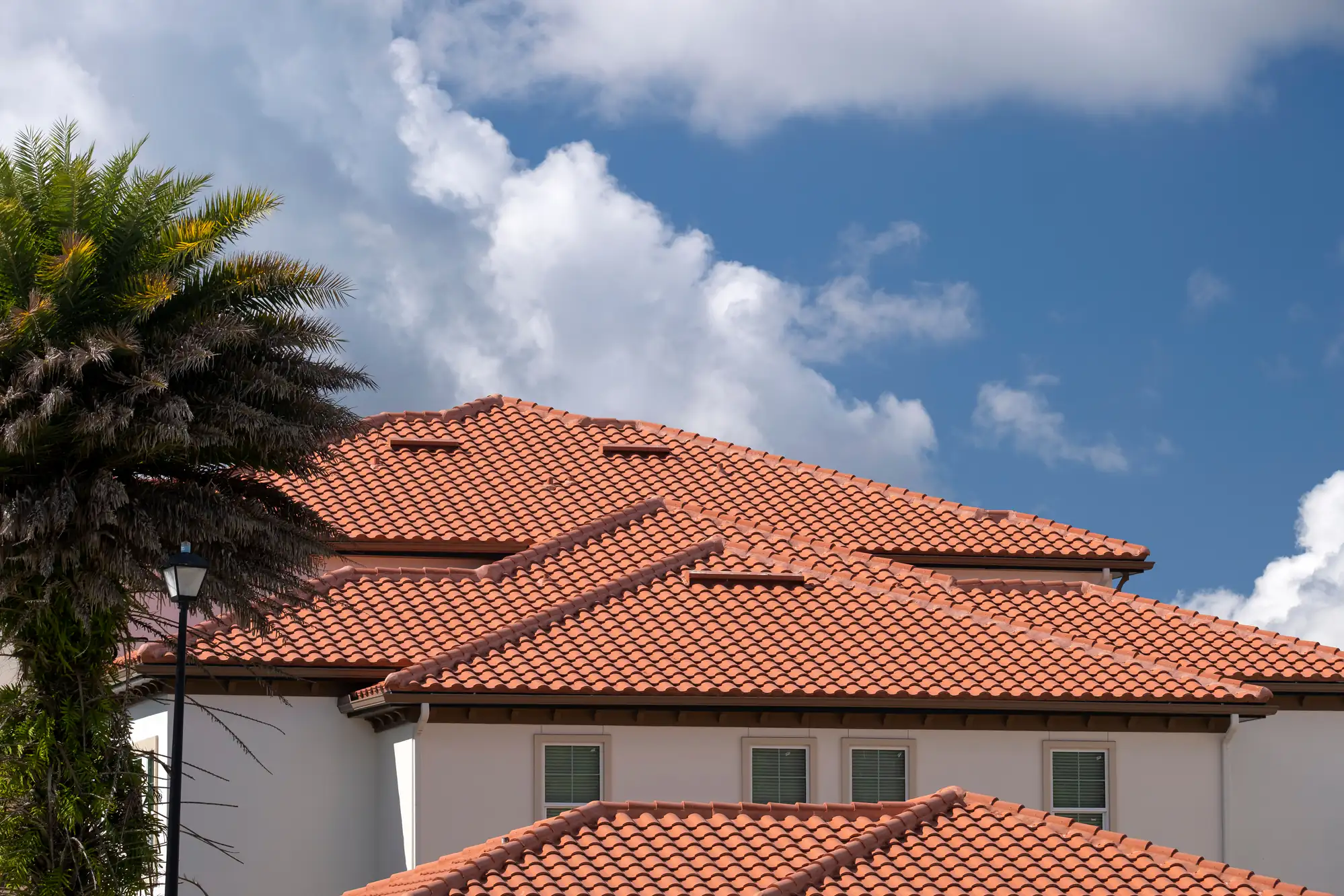
Clay Tile Roof Installation San Jose

Clay Versus Concrete: What Actually Matters

The clay versus concrete debate comes up on every tile roofing project in San Jose, and the answer depends on your priorities, not some universal “best” option. Clay tile costs more upfront—typically $17 to $35 per square foot installed compared to $11 to $19 for concrete. But clay holds its color longer without fading, weighs slightly less, and can push past 100 years with proper care. That natural terracotta look you see on Spanish colonial homes throughout Santa Clara County? That’s clay. Concrete tile gives you more color options, costs 30 to 40 percent less, and still delivers 40 to 60 years of solid performance. The weight difference matters if your home needs structural reinforcement, which runs $1,000 to $10,000 depending on your roof’s current framing. Concrete can actually be the smarter choice when your budget or structure has limits. Both materials meet California’s fire codes, both resist the same winds and weather, and both need the same quality underlayment and flashing to perform correctly. The tiles you see are just part of the system—what’s underneath determines whether your roof lasts three decades or needs repairs in ten years.

Tile Roof Repair in San Jose

When Repair Makes Sense and When It Doesn't
Here’s what most tile roof repair calls in Santa Clara County actually reveal: the tiles look fine, but the underlayment underneath has failed. You’re seeing water stains on your ceiling, but the visible roof seems intact. That’s because tile roofs fail from the inside out. Underlayment typically lasts 20 to 30 years while the tiles themselves can go 50 to 100. If your roof is approaching that 20-year mark and you’re seeing leaks, replacing a few cracked tiles won’t solve the problem. The waterproof barrier beneath them has deteriorated, which means moisture is getting through even where tiles look perfect. Individual tile replacement makes sense for storm damage, fallen branches, or isolated cracks from foot traffic. Flashing repairs around chimneys and vents can extend your roof’s life when caught early. But when multiple areas are leaking or your underlayment is past its service life, partial repairs just delay the inevitable while water damages your decking and framing. A proper inspection tells you where you actually stand. Sometimes that’s a $500 repair. Sometimes it’s time to plan for replacement. Either way, you deserve to know the real situation instead of paying for temporary fixes that won’t hold.
Tile Roofing FAQs

Common Questions About Our Service

Tile roofing in San Jose typically costs between $11 and $25 per square foot installed, depending on whether you choose concrete or clay tiles. For an average-sized home, that translates to roughly $14,000 to $55,000 for a complete installation. Concrete tile falls on the lower end of that range at $11 to $19 per square foot, while premium clay tile runs $17 to $35 per square foot. These prices include materials, labor, underlayment, flashing, and all the components needed for a complete roofing system. Additional costs can include tear-off of your existing roof (typically $1 to $5 per square foot) and structural reinforcement if your home’s framing wasn’t designed to support tile’s weight. Most California homes built with lighter roofing materials need some level of reinforcement, which can add $1,000 to $10,000 to your project. The upfront cost is higher than asphalt shingles, but tile’s 50 to 100-year lifespan means you avoid multiple roof replacements over time, making it more economical when you calculate total cost of ownership.
Clay tile roofs in California commonly last 50 to 75 years, with many exceeding 100 years when properly maintained. Concrete tile typically provides 40 to 60 years of reliable service. However, there’s an important distinction most homeowners miss: the tiles themselves can last a century, but the underlayment beneath them usually needs replacement around the 20 to 30-year mark. This is why you might see a tile roof that looks perfect from the street but is actually failing—the waterproof barrier underneath has deteriorated while the tiles remain intact. Regular inspections become especially important as your roof approaches 20 years old because underlayment failure often shows up as interior leaks before you see any exterior damage. The good news is that when underlayment replacement is needed, the tiles can often be carefully removed, the new underlayment installed, and the same tiles reinstalled if they’re still in good condition. Proper maintenance, including keeping gutters clear and addressing minor repairs promptly, helps both the tiles and underlayment reach their maximum lifespan in California’s climate.
Most homes in San Jose that currently have asphalt shingles or other lightweight roofing will need some structural reinforcement before tile installation. Tile roofing weighs significantly more than other materials—typically 6 to 15 pounds per square foot depending on the tile type. California building codes require reinforcement for tiles heavier than 6 pounds per square foot, which covers most tile roofing systems. The extent of reinforcement depends on your home’s age, current framing, and the specific tile you’re installing. Newer homes or those originally built with tile may already have adequate structural support. Older homes or those with lightweight roof framing typically need additional support, which can involve replacing or reinforcing roof trusses, upgrading decking, or adding structural members. A licensed structural engineer should evaluate your specific situation, which costs $100 to $220 per hour for the assessment. The reinforcement work itself ranges from $1,000 to $10,000 depending on what’s required. While this adds to your upfront cost, it’s a necessary safety measure and a one-time expense that ensures your roof performs correctly for decades. Skipping proper reinforcement can lead to sagging, structural damage, or even roof failure.
Spanish tile refers to a specific profile style with the distinctive “S” curve or barrel shape that creates that classic Mediterranean look you see throughout California. It’s not a different material—Spanish tile can be made from clay or concrete just like other tile profiles. The term describes the shape and aesthetic rather than the composition. Spanish tile (also called “S-tile”) features interlocking curved pieces that create pronounced shadow lines and dimensional texture. This profile is particularly effective at shedding water quickly, which is why it became popular in regions with occasional heavy rains. The installation requires specific techniques including eave closures or bird stops to prevent water from getting under the roof at the edges. Other tile profiles include flat tiles that mimic slate or wood shake, Mission tiles with their rounded barrel shape, and French tiles with deep grooves for water drainage. All of these profiles are available in both clay and concrete, and all provide similar durability and weather resistance. Your choice between profiles comes down to architectural style, personal preference, and sometimes HOA requirements in your neighborhood. Spanish tile tends to cost slightly more than flat profiles due to the additional components and specialized installation requirements.
Yes, tile roofing can reduce your cooling costs by up to 20 percent in San Jose’s climate. Tile’s natural thermal mass and the air space created by the tile profile work together to keep heat from transferring into your home during those 90-degree summer days. Unlike asphalt shingles that absorb and transfer heat directly to your attic, tile roofing creates a thermal break that significantly reduces heat gain. The curved profiles of Spanish and Mission tiles create an air gap between the tile and underlayment, allowing hot air to ventilate out before it reaches your roof deck. This passive cooling effect means your air conditioning system doesn’t have to work as hard to maintain comfortable temperatures inside. Clay tile performs particularly well because the material itself has low thermal conductivity—it doesn’t readily transfer heat from the sun-baked surface to the interior. In winter, this same thermal mass helps retain heat, though San Jose’s mild winters mean the cooling benefits are more noticeable. The energy savings are measurable and consistent, typically showing up as $200 to $400 in annual utility cost reductions for an average home. Over a 50-year lifespan, that’s $10,000 to $20,000 in savings, which helps offset the higher upfront cost of tile installation.
Finding qualified tile roofing contractors in Santa Clara County starts with verifying proper licensing through the California Contractors State License Board website. Any contractor performing roofing work must hold a C-39 Roofing Contractor license, which requires at least four years of journeyman-level experience and passing comprehensive exams. You can verify license status, check for complaints, and confirm insurance coverage online before ever making contact. Beyond licensing, look for contractors with specific tile roofing experience—not just general roofing background. Tile installation requires specialized knowledge of battens, flashing details, underlayment systems, and proper tile placement that differs significantly from shingle installation. Ask potential contractors how many tile roofs they install annually and request references from recent tile projects you can actually verify. Get multiple detailed estimates that break down materials, labor, and any structural work separately so you can make accurate comparisons. Be wary of contractors who can’t explain the difference between tile types, don’t mention underlayment options, or provide suspiciously low bids that likely cut corners on critical components. A qualified contractor will discuss structural assessment, permit requirements, and realistic timelines rather than promising the fastest, cheapest installation. Finally, confirm they carry both liability insurance and workers’ compensation coverage to protect you from potential liability if someone gets injured on your property.
A large white number 1 centered inside a solid black circle on a light gray background, representing top-rated Cooling Heating in San Jose & Santa Clara County, CA.

Inspection and Structural Assessment

We evaluate your existing roof, check framing capacity for tile weight, and determine if reinforcement is needed before installation begins.

A large white number 2 is centered inside a solid black circle on a plain white background, representing CA Cooling Heating San Jose & Santa Clara County’s commitment to clear, reliable service.

Material Selection and Permitting

You choose tile type, profile, and color while we handle California building permits and ensure full code compliance for your project.

A large white number 3 is centered inside a solid black circle on a plain light gray background, representing Cooling Heating San Jose & Santa Clara County, CA.

Professional Installation and Final Inspection

Our licensed crews install underlayment, battens, flashing, and tiles using manufacturer specifications, then verify everything meets quality standards before completion.