Modern roof installation goes beyond basic protection. Energy-efficient materials can cut cooling costs by 25% while meeting California's strict Title 24 building codes.
Share:
Summary:
Your roof takes more punishment than any other part of your home. In Santa Clara County, CA, that means months of sun pushing surface temperatures past 170 degrees, followed by seasonal rains testing every seal and flashing joint. If your roof was installed more than 15 years ago, it’s probably working against you—turning your attic into an oven and forcing your AC to run overtime.
Energy-efficient roof installation has shifted from optional upgrade to practical necessity. The materials available in 2026 don’t just meet California’s Title 24 energy codes—they actively reduce cooling costs, extend HVAC system life, and can increase home resale value. Whether you’re planning a roof replacement or trying to understand what’s available, knowing which materials deliver real performance matters.
Energy-efficient roofing isn’t about a single feature. It’s how materials interact with sunlight, heat, and the structure beneath them.
Traditional dark asphalt shingles absorb solar radiation and can hit 150 to 170 degrees on a summer afternoon in Santa Clara County, CA. That heat radiates into your attic, raising temperatures above 130 degrees and forcing your air conditioning to work constantly. Modern energy-efficient materials flip that equation using two properties: solar reflectance and thermal emittance.
Solar reflectance measures how much sunlight a material bounces away instead of absorbing. Thermal emittance measures how quickly a material releases any heat it does absorb. High-performance roofing materials excel at both, keeping surface temperatures 60 to 80 degrees cooler than conventional options and preventing heat from reaching your living space.
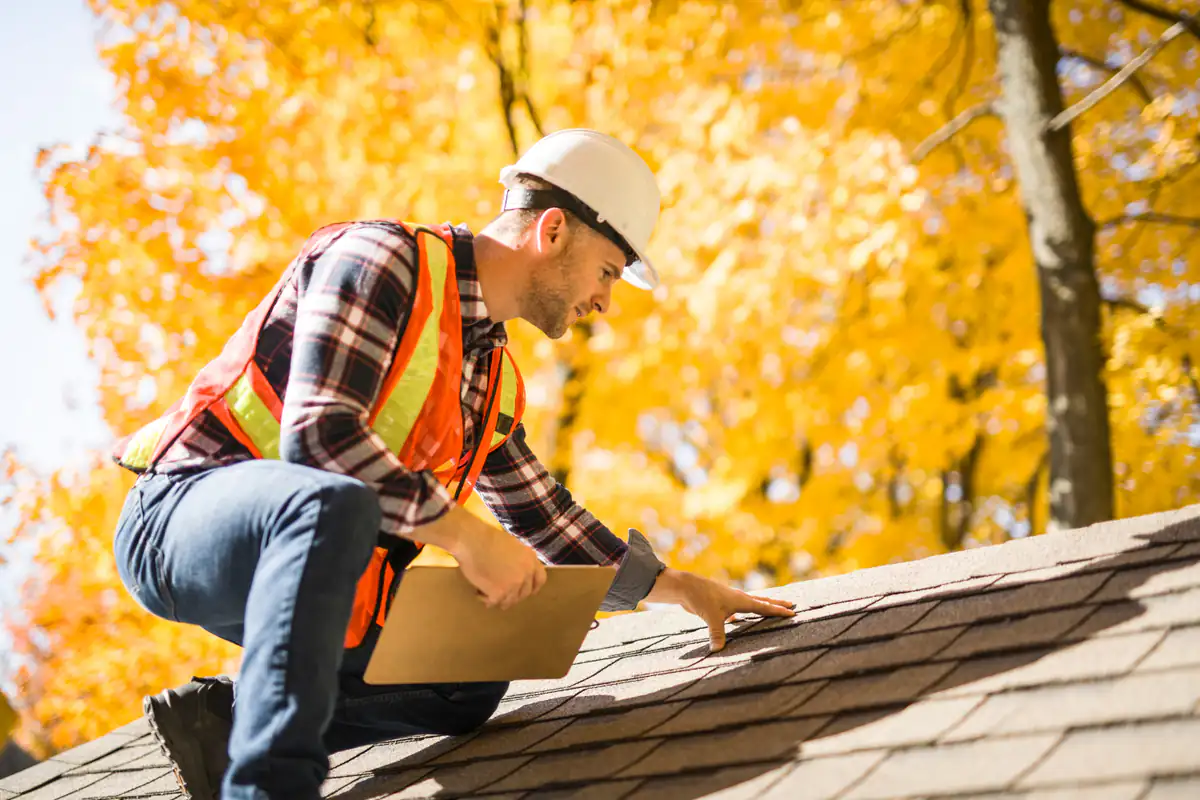
California’s Title 24 energy code sets minimum performance standards for roofing materials. If you’re planning roof installation in Santa Clara County, CA, compliance isn’t optional. The code requires cool roofing on most new construction and re-roofing projects throughout the Bay Area.
Cool roofs use materials with high solar reflectance and thermal emittance to reduce heat absorption. A cool roof with a factory-applied reflective coating can achieve solar reflectance values above 0.60, meaning it reflects more than 60 percent of the sun’s energy back instead of absorbing it into your home.
The impact shows up in utility bills. Santa Clara County, CA homeowners who switch from dark asphalt shingles to reflective metal roofing or cool-rated shingles typically see cooling cost reductions between 20 and 25 percent. That’s measurable performance backed by thermal imaging and energy audits, not marketing claims.
Title 24 also requires an insulation barrier alongside reflective coatings. The insulation traps air and slows energy transfer through the roof assembly. The reflective coating prevents heat buildup in the first place. Together, they keep your home comfortable without forcing your HVAC system to run constantly.
If your current roof was installed before these standards took effect, you’re missing significant energy savings. Modern roof installation brings your home to current code and delivers performance improvements you’ll notice every time you check your energy bill.
Not all energy-efficient materials perform the same way. What works best depends on your home’s architecture, your budget, and how long you plan to stay in the property. Here’s what we’re actually installing in Santa Clara County, CA right now.
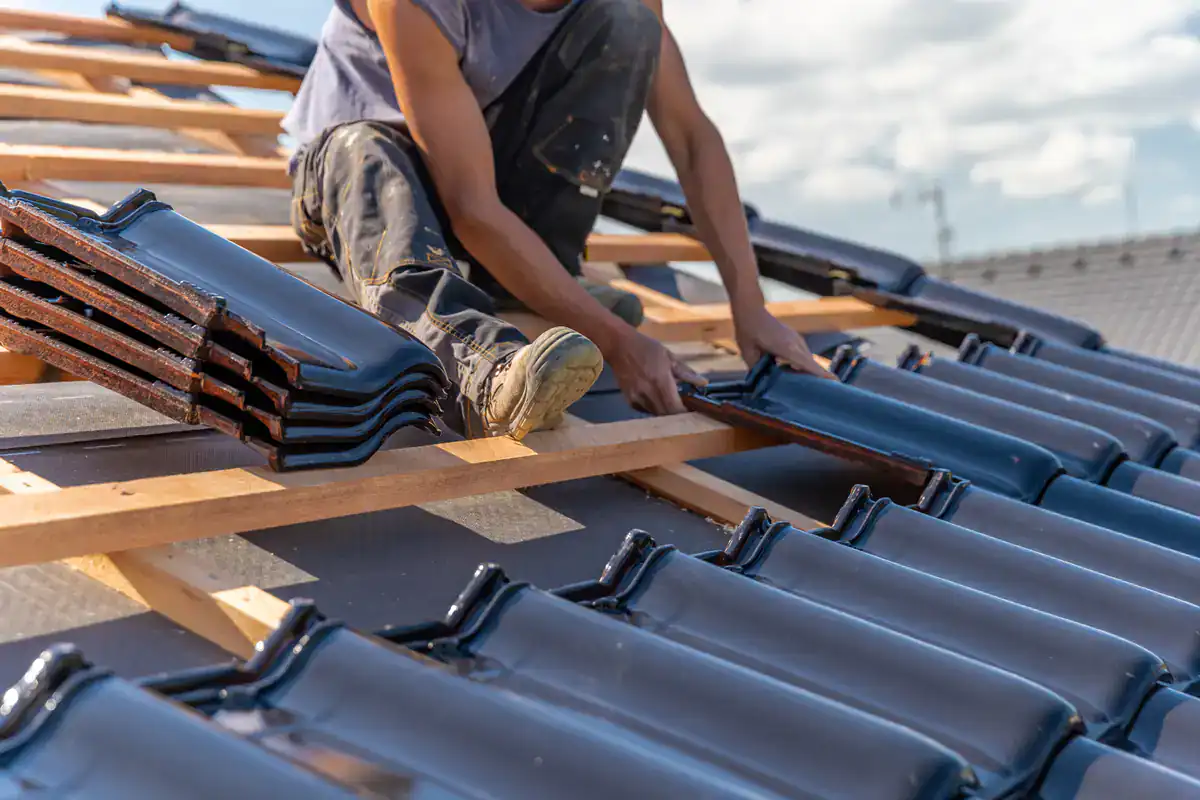
Metal roofing offers the highest energy efficiency of any common material. A light-colored metal roof with factory-applied reflective coating can achieve solar reflectance values that exceed Title 24 minimums. Metal also has excellent thermal emittance—it releases absorbed heat quickly instead of radiating it into your attic for hours. The material lasts 40 to 70 years with minimal maintenance, roughly double the lifespan of asphalt shingles. If you’re staying long-term, metal roofing delivers the best combination of energy savings and durability.
Cool asphalt shingles have evolved significantly. Modern versions include reflective granules and specialized coatings that reflect heat while maintaining the traditional look most neighborhoods expect. These shingles meet Title 24 requirements and cost less upfront than metal or tile. They typically last 20 to 25 years in Santa Clara’s climate, where intense UV exposure and thermal cycling push performance toward the lower end of estimates.
Concrete and clay tile roofing works well in Mediterranean and Spanish-style homes common throughout the Bay Area. Tile provides natural thermal mass that helps regulate temperature swings, and light-colored tiles meet cool roof standards. Properly installed tile roofs regularly exceed 40 to 50 years of service life. The main consideration is structural—tile is heavy, and older homes may need reinforcement before we can install it.
Composite and synthetic materials are gaining ground in 2026. These products are engineered from recycled content and designed to mimic wood shake or slate while delivering superior energy performance. They’re lighter than natural materials, resist fire and impact better than traditional options, and many come with 50-year warranties. The sustainability angle appeals to homeowners who want both performance and reduced environmental impact.
For flat or low-slope roofs, TPO and PVC reflective membranes are the standard choice. These single-ply systems are engineered to reflect solar radiation and resist thermal transfer. They’re cost-effective, durable, and ideal for mid-century or contemporary homes with minimal roof pitch.
The right material depends on your situation, but all these options deliver measurable energy savings compared to conventional dark asphalt shingles.
Want live answers?
Connect with a All Fresh Temp expert for fast, friendly support.
Understanding the installation process helps you know what to ask and what to expect once work begins. Energy-efficient roof installation follows the same general sequence as conventional roofing, but with specific attention to materials and building science principles.
The process starts with removing your old roof. We perform a full tear-off rather than installing over existing shingles. This allows us to inspect the roof deck for damage and ensure proper ventilation and insulation. Once the old material is removed, any damaged decking gets replaced with plywood or oriented strand board.
Next comes underlayment—a critical layer most homeowners never see but that significantly impacts performance. Modern synthetic underlayments provide superior moisture protection and thermal resistance compared to traditional felt paper. In energy-efficient installations, we often use reflective underlayments or radiant barriers that add another layer of heat rejection beneath the visible roofing material.
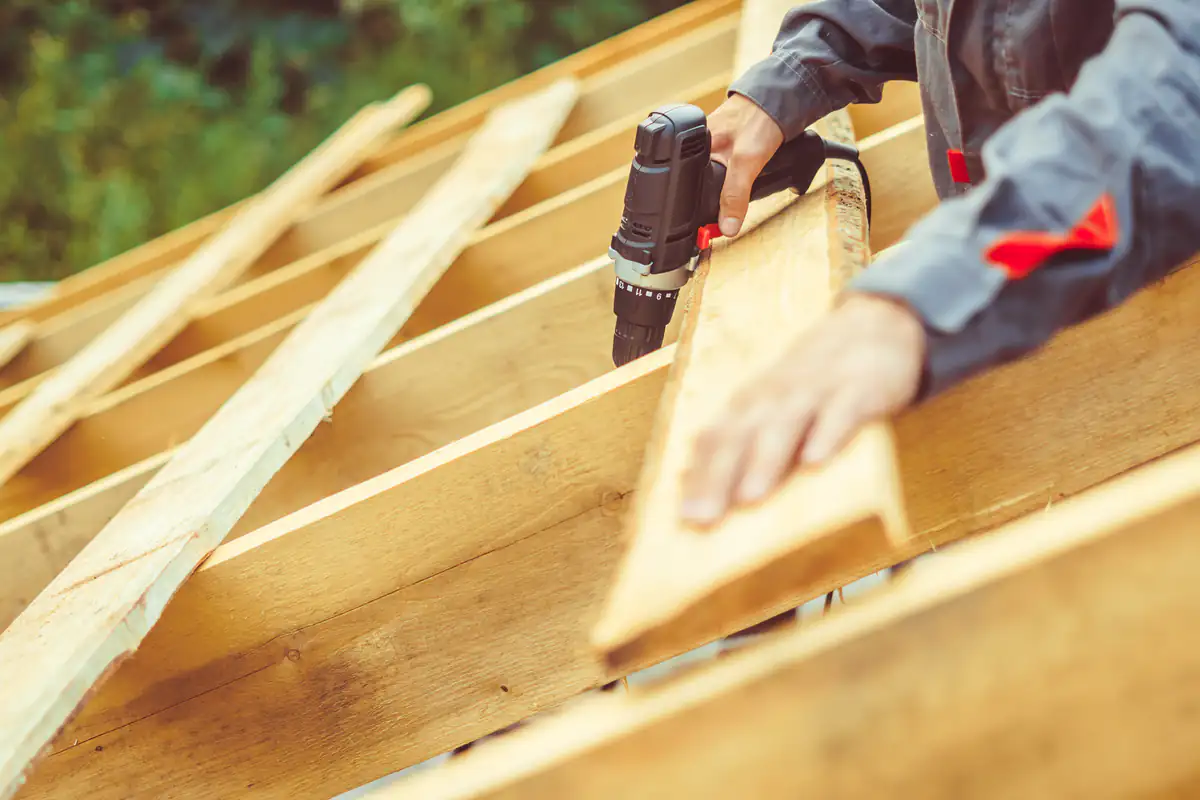
Proper ventilation and insulation matter just as much as the roofing material itself. An energy-efficient roof without adequate attic ventilation won’t deliver the performance you’re paying for.
Attic ventilation allows hot air to escape instead of building up beneath your roof deck. In Santa Clara County’s climate, inadequate ventilation can raise attic temperatures above 140 degrees even with reflective roofing materials. That trapped heat radiates into your living space and degrades roofing materials from below, shortening their lifespan.
Proper ventilation typically includes intake vents at the eaves and exhaust vents at or near the ridge. This creates continuous airflow that carries heat away before it can transfer into your home. Ridge vents, O’Hagin vents, and powered attic fans all serve this purpose. We assess your current ventilation as part of any roof installation project.
Insulation works alongside ventilation to prevent heat transfer. California Title 24 sets minimum R-value requirements based on climate zone, and Santa Clara County, CA falls into zones requiring substantial insulation to meet code. The insulation sits on your attic floor, creating a thermal barrier between the hot attic space and your conditioned living areas below.
During energy-efficient roof installation, we often recommend upgrading attic insulation if it’s compressed, damaged, or insufficient to meet current standards. Adding insulation during a re-roof makes sense because the attic is already accessible and the cost is relatively small compared to the energy savings.
The combination of reflective roofing, proper ventilation, and adequate insulation creates a system where each component reinforces the others. Your roof reflects heat. Ventilation carries away what does build up. Insulation prevents remaining heat from reaching your living space. That’s how energy-efficient roofing delivers the 20 to 25 percent cooling cost reductions homeowners actually experience.
Solar technology has moved from bulky panels bolted onto existing roofs to integrated systems that function as both roofing material and power generation. If you’re installing a new roof in 2026, considering solar compatibility makes sense even if you’re not ready to install panels immediately.
Solar-ready roofing means choosing materials and structural configurations that support future panel installation without modification. Standing seam metal roofs and certain tile profiles work particularly well because they provide secure attachment points without penetrating the roof membrane. If you think you might add solar within the next 10 years, discussing solar-ready options during your roof installation saves money and complexity later.
Solar-integrated shingles represent the next evolution. These photovoltaic materials look like conventional shingles from the street but generate electricity like traditional panels. The aesthetic advantage is significant—no visible racking, no gaps between panels, just a uniform roof surface that produces power. The technology has matured to where costs are dropping and efficiency is improving, making integrated solar a practical option for new roof installations.
The energy equation becomes compelling when you combine a cool roof with solar generation. Your reflective roofing reduces heat gain, lowering cooling needs. Your solar system generates electricity to power whatever cooling you do need. The compounding effect can offset 100 percent of your electricity usage in Santa Clara County’s 260-plus sunny days per year.
Financing options have improved as well. California offers rebates and PACE financing for energy-efficient roofing improvements, and federal tax credits apply to solar installations. Many homeowners find that monthly energy savings equal or exceed the cost of financing, making the upgrade cash-flow neutral from day one.
Whether you go fully solar now, install solar-ready materials for future flexibility, or simply focus on maximum energy efficiency, modern roof installation gives you options that didn’t exist five years ago.
Energy-efficient roof installation in 2026 delivers measurable benefits that show up in utility bills, home comfort, and property value. The materials available now outperform anything installed even a decade ago, and California’s Title 24 requirements ensure new installations meet minimum performance standards.
The key is matching materials to your specific situation. Metal roofing makes sense if you’re staying long-term and want maximum durability and energy savings. Cool asphalt shingles work well if you need Title 24 compliance at a lower upfront cost. Tile fits Mediterranean architecture and provides decades of service. Synthetic materials offer sustainability and performance in a lightweight package.
Whatever direction you choose, working with a licensed roofing contractor who understands energy-efficient installation matters. Proper ventilation, adequate insulation, and correct material selection all contribute to performance. A roof is a system, not just a collection of shingles. Getting it right requires experience and attention to detail.
If your roof is approaching 20 years old, showing signs of wear, or not delivering the energy performance you need, now is the time to explore your options. We’ve been serving Santa Clara County, CA homeowners since 1985 with the expertise and transparency you need to make informed decisions about your home’s most important protective system.
Article details:
Share:
Continue learning:
Get Your Free HVAC Quote Today
Contact our friendly team today for a free estimate and experience the difference.
Company
Support
Useful Links