
Finding a reliable home contractor in San Jose takes more than a Google search. Here's what actually matters when hiring local roofers, plumbers, and HVAC pros.
Share:

Summary:
Finding a good contractor in Santa Clara County shouldn’t feel like a part-time job. But between the flood of online listings, the mixed reviews, and the contractors who quote one price and charge another — it often does. Most homeowners aren’t looking for the cheapest option. They’re looking for someone who shows up, does the work right, and picks up the phone if something goes wrong afterward. That’s a shorter list than you’d think.
This guide is built around what actually matters when you’re hiring local roofers, HVAC techs, plumbers, or any home service professional in the San Jose area — so you can stop guessing and start making a confident decision.
Roofing is one of the highest-stakes home projects you’ll ever hire out. The cost alone — anywhere from $9,000 to $25,000 or more for a full replacement in California — means a bad decision doesn’t just cost you time. It costs you real money, and potentially years of headaches if the work fails.
The first thing to verify before you call anyone is their California C-39 Roofing Contractor License. This isn’t a formality. California law requires a valid C-39 license for any roofing job over $500, and getting one takes at least four years of journeyman-level experience plus passing two state exams. You can verify any contractor’s active license status in about two minutes at cslb.ca.gov. If a contractor hesitates to give you their license number, that tells you everything you need to know.
Beyond licensing, look for a contractor who gives you a written, itemized quote — one that breaks out materials, labor, timeline, and warranty terms separately. Vague quotes lead to surprise charges. In Santa Clara County, permit requirements apply to roof replacements, so make sure your contractor is pulling the proper permits. Skipping that step can create real problems when you go to sell the home.
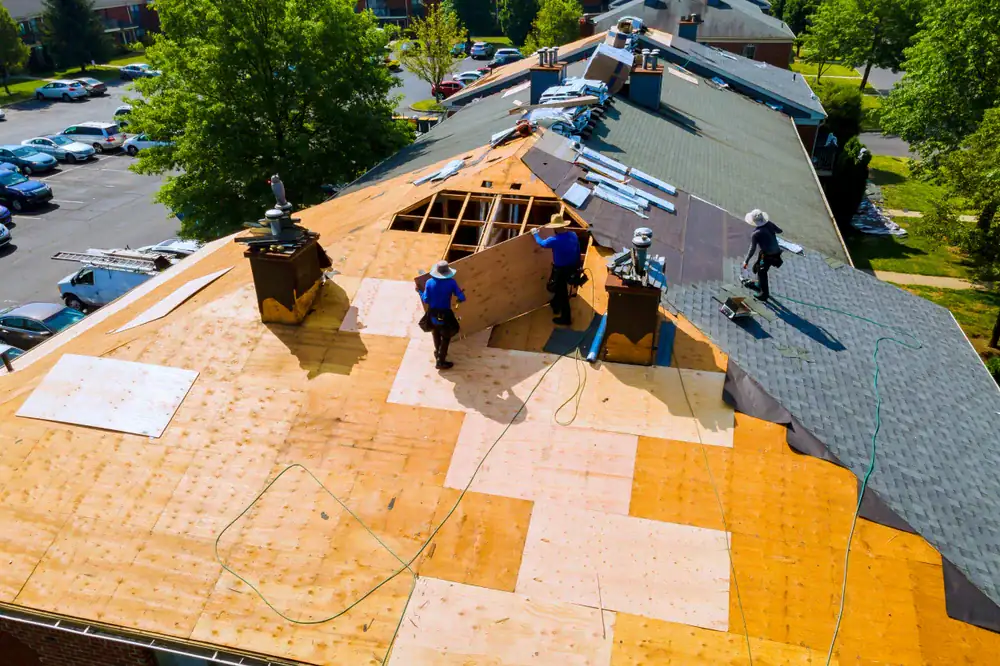
San Jose’s Mediterranean climate is predictable once you know it. Hot, dry summers give way to a wet season that typically runs from October through April, with most of the county’s roughly 14 to 15 inches of annual rainfall concentrated in those months. That pattern shapes everything about when roofing work should happen — and when it shouldn’t.
The practical window for roof replacement in Santa Clara County runs from late spring through early fall. That’s not just a contractor preference; it’s a material and installation reality. Roofing in wet or high-wind conditions compromises the installation itself, and any reputable contractor will tell you that upfront. If you’re getting quotes in February and a contractor is pushing to start immediately regardless of weather, that’s worth noting.
The other timing factor is the rainy season as a deadline, not just a window. A lot of homeowners put off roof inspections until they notice a problem — and in many cases, that problem becomes visible right around the time the rains arrive. Getting an inspection done in August or September, before the wet season starts, gives you time to make decisions without pressure. A small repair caught in September is almost always cheaper and simpler than the same issue discovered in December after two weeks of rain.
There’s also the wildfire angle, which is more relevant in Santa Clara County than people sometimes realize. Communities in the eastern and southern hills — parts of the Almaden Valley, the Los Gatos foothills, Morgan Hill, and Gilroy — sit in elevated fire-risk zones. California’s Chapter 7A fire standards govern roofing material choices in those areas, requiring Class A fire-rated materials. A local roofer who knows this market will factor that into their material recommendations without you having to ask.
If your home has solar panels — and in Santa Clara County, there’s a good chance it does — any roofing project needs to account for panel removal and reinstallation. That coordination step adds complexity and cost that an inexperienced contractor may not price accurately upfront. It’s worth asking about directly before you commit to anyone.
Review platforms are useful, but they’re also gameable. Anyone who’s spent time on Yelp or Google knows that a 4.8-star rating from 12 reviews and a 4.6-star rating from 150 reviews are not the same thing — even if they look similar at a glance. What’s harder to fake is time.
A contractor who has been operating in Santa Clara County for 30 or 40 years has something no amount of marketing can manufacture: a track record that predates review platforms entirely. Their reputation was built through word of mouth, through neighbors talking to neighbors, through the kind of Nextdoor and community Facebook conversations that Santa Clara County residents have constantly. That history is verifiable in a way that a star rating isn’t. You can find reviews going back a decade. You can ask around in your neighborhood. You can check whether the business address on their license matches what’s on their website.
San Jose’s tech-industry culture has made its homeowners among the most research-oriented in the country. That’s actually an advantage here, because the tools to verify a contractor’s legitimacy are genuinely available — the CSLB license lookup, Google reviews sorted by date, Nextdoor recommendations from actual neighbors. The problem isn’t access to information; it’s knowing which signals actually mean something. Tenure is one of the most reliable ones.
There’s also a practical accountability dimension. A contractor who has been in business in Santa Clara County since before most of the neighborhoods in Almaden Valley were fully built has more skin in the game than someone who set up shop two years ago. Their reputation is local and long-standing. If something goes wrong, they can’t just disappear — their name is already in the community’s memory. That’s a different category of accountability than a new entrant, no matter how polished their website looks.
We’ve been serving Santa Clara County since 1985. That’s not a marketing line — it’s just the truth, and it’s the kind of thing you can verify.
Want live answers?
Connect with a All Fresh Temp expert for fast, friendly support.
HVAC is one of those things most homeowners don’t think about until it stops working. Then it becomes the only thing they’re thinking about — usually during a heat wave in July or the first cold snap in November, when every contractor in the county is already booked out.
The best heating and cooling contractors in San Jose aren’t just technically competent. They communicate clearly, show up when they say they will, and give you an honest assessment of what your system actually needs — not just the most expensive option. Those qualities sound basic. They’re less common than they should be.
What separates a good HVAC contractor from a forgettable one usually comes down to three things: how they diagnose the problem, how they explain it to you, and whether they’re still reachable six months later if something isn’t right.
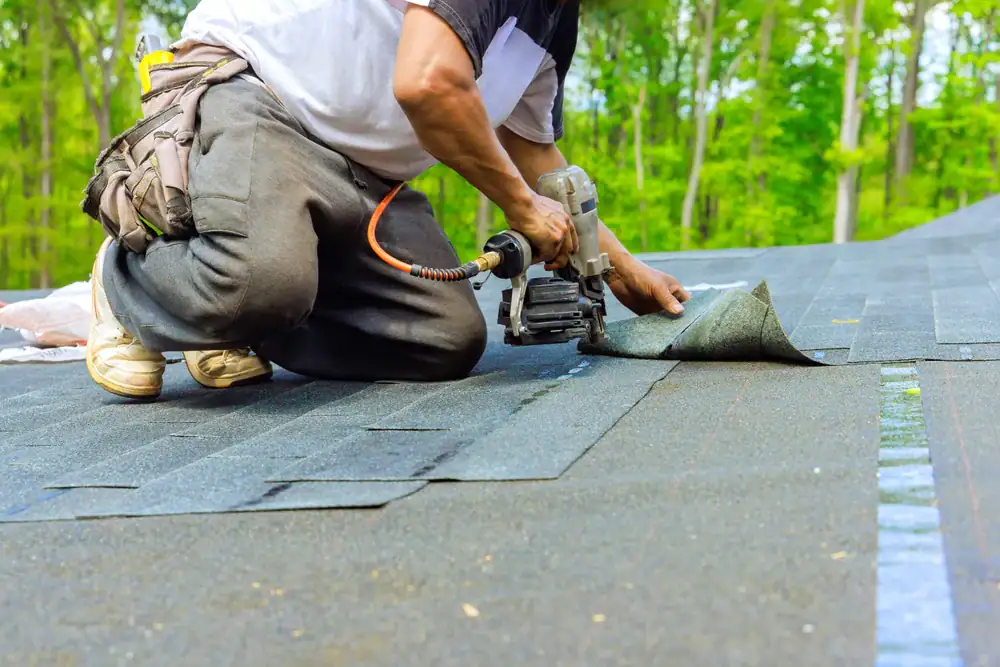
Most homeowners ask one question when they call an HVAC contractor: “How much will it cost?” That’s not the wrong question, but it’s not the most useful one either — especially before anyone has looked at your system. The more useful questions come after the initial assessment.
Ask whether they service your brand. Santa Clara County homes run everything from Trane and Carrier to American Standard and Bryant, and a contractor who only works with certain manufacturers may steer you toward a replacement when a repair would do — or recommend a brand that’s convenient for them rather than right for your home. Ask about the warranty on both parts and labor. A reputable HVAC contractor will stand behind their installation work, not just the manufacturer’s equipment warranty.
Ask about permitting. Heat pump installations and major HVAC replacements in San Jose typically require permits, and a contractor who skips that step is cutting a corner that could come back to haunt you. Ask what happens if the diagnosis changes once they’re inside the system. Surprises happen in HVAC work, and you want to know upfront how those situations are handled — will they call you before proceeding, or will you find out on the invoice?
There’s also the emergency question. San Jose summers regularly push temperatures past 90 degrees in inland neighborhoods, and a system failure at 7 p.m. on a Saturday is not a Monday-morning problem. Ask whether they offer genuine 24/7 emergency service, and ask what “24/7” actually means in practice. Some contractors list it on their website and route after-hours calls to a voicemail. Others actually show up. The difference matters when you need it.
We cover HVAC, plumbing, roofing, and solar — which means when one system affects another (and they often do), you’re not starting the trust-building process over with a new contractor. We’ve been doing this in Santa Clara County since 1985, and our technicians are licensed, bonded, and available around the clock, including weekends and holidays.
Most homeowners think about their home’s major systems in isolation. The roof is the roof. The HVAC is the HVAC. The solar panels are the solar panels. In practice, those systems interact with each other constantly — and decisions made about one often affect the others in ways that don’t become obvious until something goes wrong.
Take a roof replacement on a home with solar panels, which describes a significant portion of Santa Clara County homes. The panels have to come off before the roofing work starts and go back on after. If the roofing contractor and the solar installer aren’t coordinating, you end up with scheduling gaps, potential damage to the panel mounts, and sometimes a voided roof warranty because the reinstallation wasn’t done to the roofer’s specifications. Having a contractor who understands both trades — or who works alongside someone who does — eliminates that friction entirely.
The connection between roofing and HVAC is less obvious but equally real. Attic ventilation, insulation condition, and duct routing all affect how hard your HVAC system has to work. A roofing project that disturbs attic insulation without addressing it can meaningfully reduce your system’s efficiency. California’s Title 24 energy standards, which govern re-roofing projects across the state, actually require cool roof materials in many cases — and the right material choice can reduce cooling costs by 20 to 25 percent during Santa Clara County’s hot summers. A contractor who knows both sides of that equation can help you make a smarter decision than one who only sees their own trade.
This is part of why the multi-trade model matters in a market like San Jose. It’s not just about convenience, though that’s real — it’s about the quality of the outcome when someone is looking at the whole picture rather than just their piece of it. We offer HVAC, plumbing, roofing, and solar services precisely because those systems don’t exist in isolation, and neither should the people working on them. Free estimates are available, and financing solutions are offered for larger projects.
The contractor market in San Jose is large, competitive, and uneven. There are excellent operators who have been building their reputations in Santa Clara County for decades — and there are newer entrants who are harder to evaluate. The difference usually shows up in the details: whether they pull permits, whether they give you a written quote, whether they show up when they say they will, and whether they’re reachable after the job is done.
Verify licenses before you hire anyone. Ask the questions that actually matter. And pay attention to how a contractor communicates before the work starts — it’s usually a reliable indicator of how they’ll communicate if something comes up during or after.
We’ve been serving Santa Clara County since 1985. If you need HVAC service, roofing, plumbing, or solar work in San Jose, give us a call — we offer free estimates, and we’ll give you a straight answer.
Article details:
Share:
Continue learning: