
Modern plumbing repair combines smart technology with sustainable practices. Discover how Santa Clara County homeowners are protecting their systems from hard water damage and preventing costly emergencies.
Share:
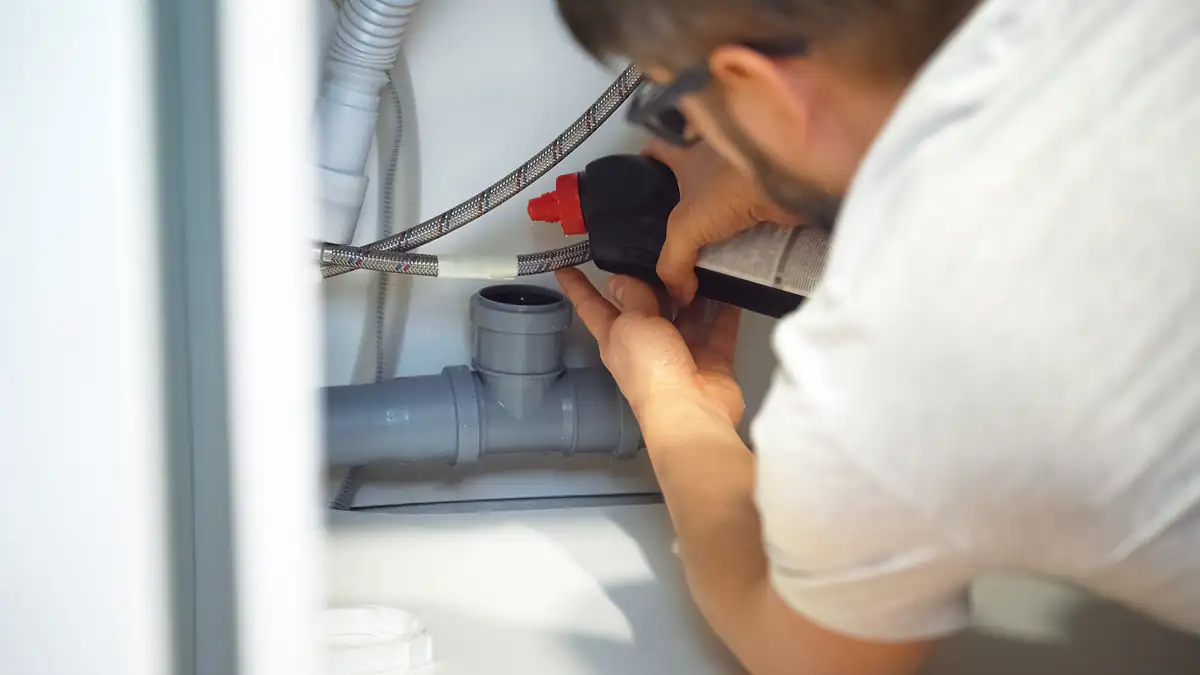
Summary:
Your water heater just started making that noise again. The one you’ve been ignoring for three weeks because you hoped it would go away on its own. Or maybe you’ve noticed your water bill creeping up month after month, but you can’t figure out why. These aren’t just minor annoyances—they’re symptoms of a plumbing system trying to tell you something.
The good news? Plumbing repair doesn’t look the same as it did even five years ago. Technology has caught up to the problems homeowners actually face, especially here in Santa Clara County where hard water and older infrastructure create their own set of headaches. You’re about to see how smart solutions and sustainable practices are changing the game—and why that matters for your home and wallet.
Walk into most homes in Santa Clara County and you’ll find smart thermostats, security cameras, and voice-activated assistants. But the plumbing? That’s usually still stuck in the analog age. Until recently.
Smart plumbing technology isn’t about adding bells and whistles. It’s about catching problems before they turn into 2 AM emergency plumber calls. Leak detection sensors identify dripping pipes behind walls days before water damage shows up on your ceiling. Smart water meters track usage patterns and alert you when something doesn’t add up—like that toilet running constantly while you’re at work.
The shift matters because small problems compound fast in this area. With Santa Clara County’s extremely hard water and aging pipe systems, what starts as a minor leak can become a $5,000 water damage repair in weeks. Smart systems give you the early warning that makes the difference between a simple plumbing repair and a full-scale emergency.
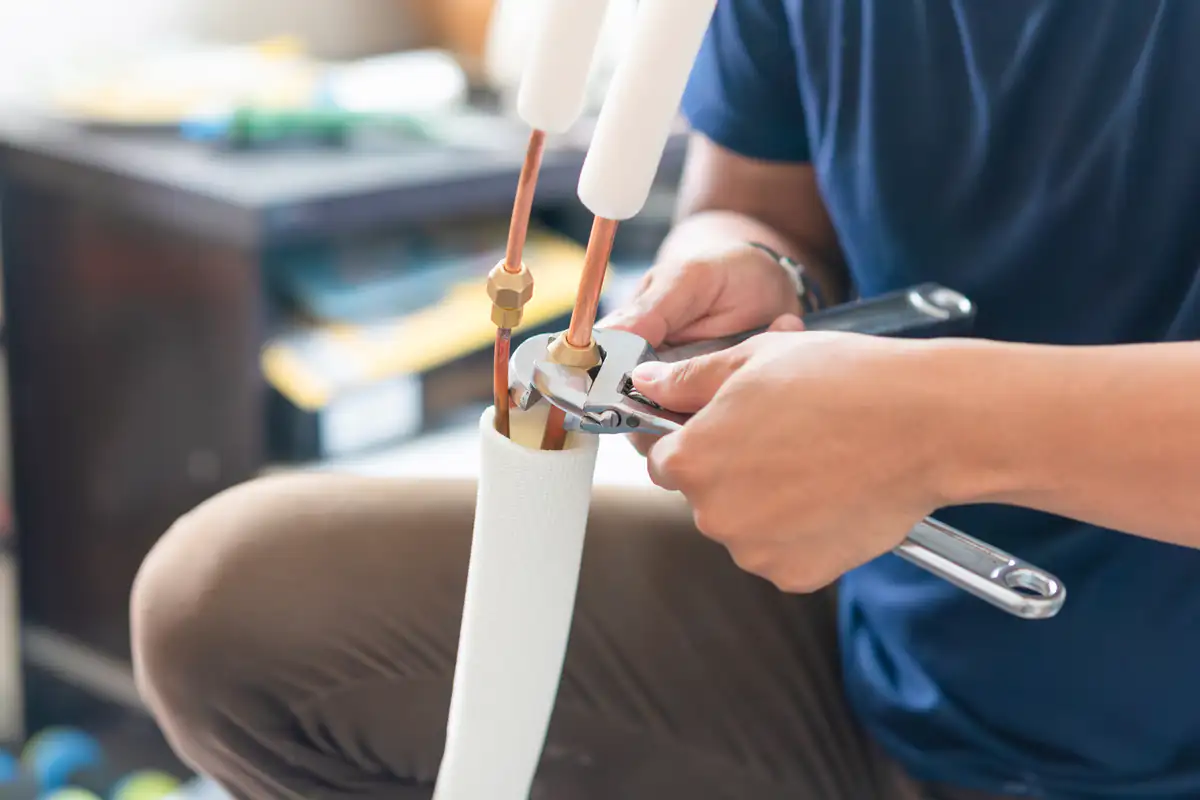
Traditional leak detection meant waiting until you saw water pooling somewhere it shouldn’t be. By that point, damage was already done. Modern leak detection flips that script entirely.
Acoustic sensors listen for the sound of water escaping from pipes—even the ones buried in walls or under your foundation. Infrared cameras spot temperature differences that indicate moisture where it doesn’t belong. Some systems use moisture meters that detect humidity changes before visible water appears. These aren’t theoretical tools. They’re what we use every day to find problems that would have been impossible to locate a decade ago.
For Santa Clara County homeowners, this technology solves a specific problem. Hard water here averages over 250 mg/L of dissolved minerals—well into the “very hard” category according to the Santa Clara Valley Water District. That mineral content accelerates corrosion and creates pinhole leaks in pipes that are difficult to spot until they’ve caused significant damage. Smart leak detection catches these issues early, before your hard water problem becomes a structural nightmare.
The practical benefit shows up in two ways. First, you avoid the disaster scenario where a hidden slab leak floods your home while you’re on vacation. Second, you save money. Fixing a small leak during a scheduled service call costs a fraction of what you’ll pay for emergency plumbing repair at midnight, plus water-damaged drywall, flooring, and personal belongings. Early detection through smart technology isn’t just convenient—it’s one of the most cost-effective investments you can make.
Installation varies depending on the system. Some leak detectors are simple devices you place near water heaters, washing machines, or under sinks. Others integrate into your main water line and can automatically shut off water when they detect a problem. We can assess your specific setup and recommend the right solution for your home’s layout and risk tolerance.
Your water heater probably accounts for about 18% of your home’s energy use. That number climbs higher if you’re dealing with Santa Clara County’s hard water, which causes scale buildup on heating elements and forces your system to work harder just to deliver the same amount of hot water.
Smart water heaters address both the efficiency problem and the maintenance headache. These systems learn your usage patterns—when you shower, when you run the dishwasher, when the house sits empty during work hours. They heat water based on actual demand instead of keeping a full tank hot around the clock whether you need it or not. The U.S. Department of Energy estimates this approach can save households $400 to $600 annually in energy costs.
But the real advantage for local homeowners goes beyond monthly savings. Smart water heaters monitor their own performance and alert you when something’s off. If scale buildup from hard water starts affecting efficiency, you’ll know before your energy bill spikes. If a heating element begins to fail, you get advance warning instead of discovering the problem when you’re halfway through a cold shower on a Monday morning.
Tankless water heaters take the smart approach even further. Instead of storing heated water, they warm it on demand as it flows through the system. No tank means no standby energy loss. No stored water means fewer opportunities for mineral deposits to accumulate. For homes dealing with very hard water, that reduction in scale buildup can extend the system’s lifespan by years and reduce the need for frequent water heater repair.
The technology also integrates with whole-home systems. You can monitor and control your water heater from your phone, adjust temperature settings remotely, or shut it down entirely if you’re going to be away for an extended period. Some systems even connect to your home’s leak detection network, automatically shutting off if sensors detect water where it shouldn’t be.
Installation of smart water heaters requires professional expertise, particularly in areas with specific building codes and permit requirements. We’re familiar with Santa Clara County regulations and can ensure the system is installed correctly, connected properly to your home’s electrical and plumbing infrastructure, and optimized for local water conditions. The upfront investment in professional installation pays off through reliable performance and warranty protection that DIY approaches can’t match.
Want live answers?
Connect with a All Fresh Temp expert for fast, friendly support.
Sustainability in plumbing repair isn’t about saving the planet—though that’s a nice side effect. It’s about building systems that last longer, cost less to operate, and don’t require constant emergency plumber visits. In an area where water is expensive and infrastructure is aging, sustainable solutions make practical financial sense.
Low-flow fixtures reduce water consumption without sacrificing performance. Modern designs deliver the pressure and coverage you expect while using significantly less water per minute. For a family of four, switching to WaterSense-labeled fixtures can save nearly 13,000 gallons of water annually. That translates directly to lower utility bills every single month.
Pipe materials matter more than most people realize. PEX piping costs less than traditional copper and resists the corrosion that hard water causes. It’s flexible, which means fewer joints and connections where leaks can develop. Installation is faster and less invasive, which reduces labor costs during plumbing repair or repiping projects. The material choice you make today affects your maintenance costs and emergency repair frequency for the next 20 to 30 years.
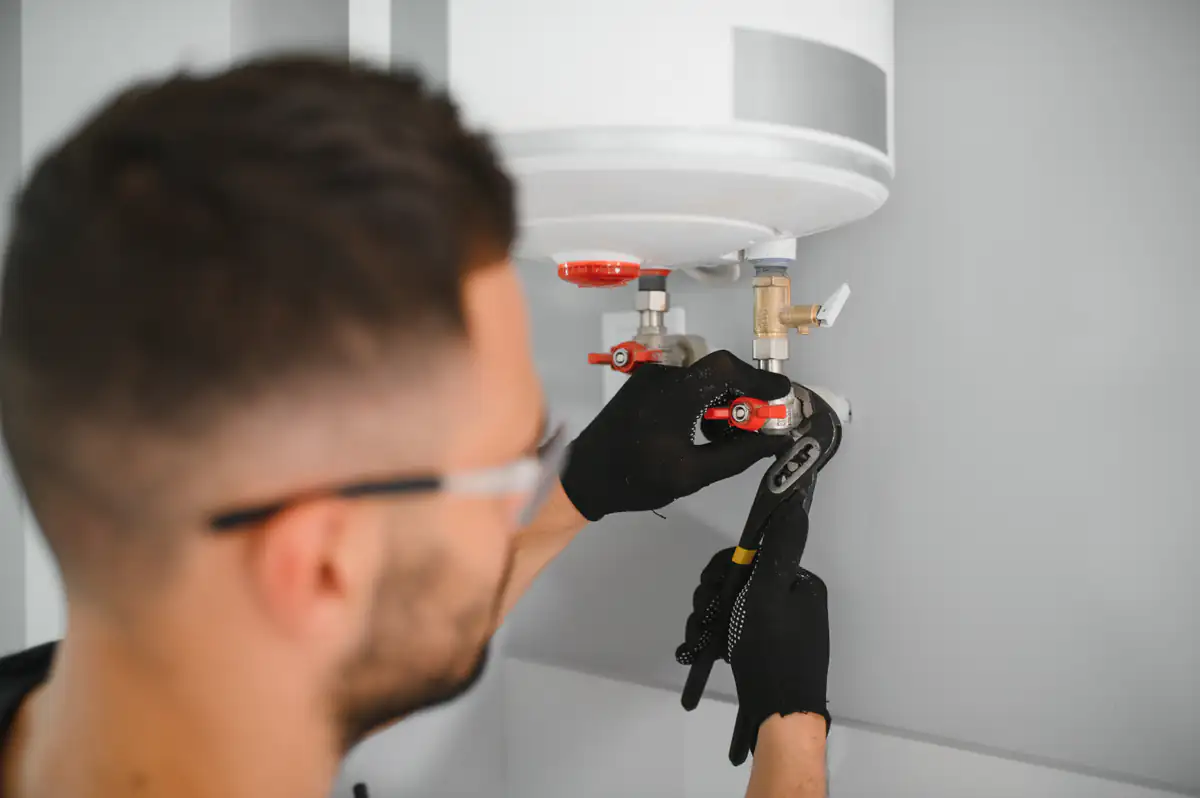
Hard water isn’t just an aesthetic problem. Those white deposits on your faucets and shower doors are the visible part of a much bigger issue. Inside your pipes, that same mineral buildup is restricting water flow, reducing pressure, and creating rough surfaces where corrosion can take hold. Eventually, you’re looking at pipe replacement or constant drain cleaning to manage the symptoms.
Water softener systems remove calcium and magnesium before they enter your plumbing. The result is water that doesn’t leave deposits, doesn’t form scale on heating elements, and doesn’t accelerate the deterioration of fixtures and appliances. Homeowners who install water softeners typically see their water heater lifespan increase by 3 to 5 years. Dishwashers, washing machines, and other water-using appliances last longer too, reducing the frequency of expensive replacements.
The cost analysis is straightforward. Hard water damage in Santa Clara County can cost families $1,130 to $1,580 annually through reduced appliance efficiency, increased energy use, extra cleaning products, and premature equipment replacement. A water softener system typically pays for itself within 2 to 4 years, then continues delivering savings for decades. That’s not marketing talk—it’s basic math based on documented energy and appliance replacement costs.
But softeners do more than protect equipment. They improve daily quality of life in ways you notice immediately. Soap and shampoo lather better in soft water, so you use less. Dishes come out of the dishwasher without spots or film. Clothes feel softer and colors stay brighter because detergent actually works the way it’s designed to instead of fighting mineral content. Skin and hair feel different after showering because you’re not coating yourself in dissolved rock every morning.
Installation requires understanding your home’s specific water hardness level, daily water usage, and plumbing configuration. We conduct professional assessments that test your water, calculate the right system size, and identify the optimal installation point in your water line. Proper installation ensures the system works efficiently and doesn’t create new problems like excessive sodium in your water or pressure issues in your plumbing.
Maintenance is minimal but important. Salt levels need periodic checking and refilling. The system should be inspected annually to ensure it’s regenerating properly and not developing bypass issues. Most homeowners find the maintenance schedule far less demanding than the constant battle against hard water stains, scale buildup, and shortened appliance life they dealt with before.
Emergency plumbing repair costs more than scheduled maintenance. That’s not a surprise. What catches people off guard is how much more. After-hours emergency plumber rates, rush parts orders, water damage mitigation—the bill for a 2 AM crisis can easily run three to five times what preventive care would have cost.
Regular maintenance catches problems while they’re still small. During system inspections, we can spot a pipe that’s starting to corrode, a connection that’s working loose, or a fixture developing a slow leak. Fixing these issues during a scheduled service call is straightforward and affordable. Waiting until they fail on a Sunday night requires an emergency plumber, premium rates, and often additional repairs to address the damage the failure caused.
The maintenance schedule depends on your system’s age and condition. Newer plumbing might need annual inspections. Older systems benefit from twice-yearly checkups, especially if you’re dealing with hard water that accelerates wear. Homes with known issues—like tree roots near sewer lines or a history of slab leaks common in Santa Clara County’s older neighborhoods—need more frequent monitoring to catch problems before they escalate into emergencies.
What does maintenance actually involve? A thorough inspection examines visible pipes, connections, and fixtures for signs of wear, corrosion, or damage. Water pressure gets tested to identify restrictions that might indicate buildup or blockages. Drains are checked for slow drainage that suggests developing clogs before you need emergency drain cleaning. Water heaters get flushed to remove sediment that reduces efficiency and shortens lifespan. Shut-off valves are exercised to ensure they’ll work when you need them in an emergency.
The inspection also provides an opportunity to discuss upgrades or improvements. Maybe your water pressure has been gradually declining and you’ve gotten used to it. We can identify whether the issue is mineral buildup that can be addressed, a pressure regulator that needs adjustment, or a sign of a more serious problem developing in your supply line. Catching these trends early gives you time to plan and budget instead of scrambling to respond to a crisis that demands immediate attention and same day service.
For homeowners in Santa Clara County, preventive maintenance addresses the specific challenges of local conditions. Hard water requires more frequent water heater flushing to prevent sediment accumulation. Older neighborhoods with mature trees need regular sewer line inspections to catch root intrusion before it causes backups. Homes built on slabs benefit from periodic leak detection scans to identify problems before they damage your foundation and require expensive slab leak repair.
The relationship between maintenance and emergency repairs is direct and measurable. Homes with regular professional inspections experience fewer unexpected failures. When problems do occur, they’re typically less severe because they haven’t had time to worsen and cause secondary damage. The financial impact over time is substantial—preventive maintenance costs a fraction of what you’ll spend on emergency plumbing repair and the water damage, mold remediation, and structural repairs they often cause.
Plumbing repair has moved beyond simply fixing what’s broken. Smart technology gives you early warnings that prevent disasters before they happen. Sustainable solutions reduce operating costs and extend equipment life. Preventive maintenance catches small problems before they become expensive emergencies requiring an emergency plumber at premium rates.
The specific challenges of Santa Clara County—hard water averaging over 250 mg/L, aging infrastructure in older neighborhoods, high property values—make these advances more than convenient upgrades. They’re practical responses to real problems that affect your home’s value and your monthly expenses. A leak detection system that prevents water damage pays for itself the first time it alerts you to a problem. A water softener that extends your water heater’s lifespan by five years delivers thousands in avoided replacement costs.
Your plumbing system is working for you right now, whether it’s functioning perfectly or developing problems you haven’t noticed yet. The question is whether you’re going to address issues on your schedule with planned plumbing repair, or wait for them to demand attention on theirs with a middle-of-the-night emergency. With over 40 years of local expertise serving Santa Clara County since 1985, we combine modern technology with the knowledge and 24/7 availability to keep your system running efficiently.
Article details:
Share:
Continue learning:
