
Hear from Our Customers
You’re not just getting a roof that doesn’t leak. You’re getting a system that handles California’s UV exposure without cracking in five years. You’re getting materials that actually reduce your energy bills instead of turning your attic into an oven every summer.
Most homes in East Foothills were built between 1940 and 1999. That means a lot of roofs around here are either original or on their second life. Either way, they’ve been through decades of sun damage, winter storms, and temperature swings that most roofing materials weren’t designed to handle long-term.
When we finish a roofing project, you’re looking at a roof that’s built for California weather, installed by people who’ve been doing this since 1985, and backed by the kind of warranty that actually means something. You’re also looking at a home that’s easier to cool, easier to insure, and worth more if you ever decide to sell.
We’ve been serving San Jose and East Foothills since 1985. We’re a family-owned business, which means when you call, you’re talking to people who actually care whether your roof holds up in ten years.
We’re licensed, insured, and we’ve seen what happens when roofs are installed by crews who don’t understand California’s climate. We’ve also seen what happens when homeowners try to stretch another few years out of a roof that’s already failing. Neither situation ends well.
East Foothills has some of the most valuable real estate in the area. Median home values here are over $1.4 million. You didn’t invest that much in a property just to let a failing roof tank your equity or turn into a $50,000 emergency when the next storm rolls through.
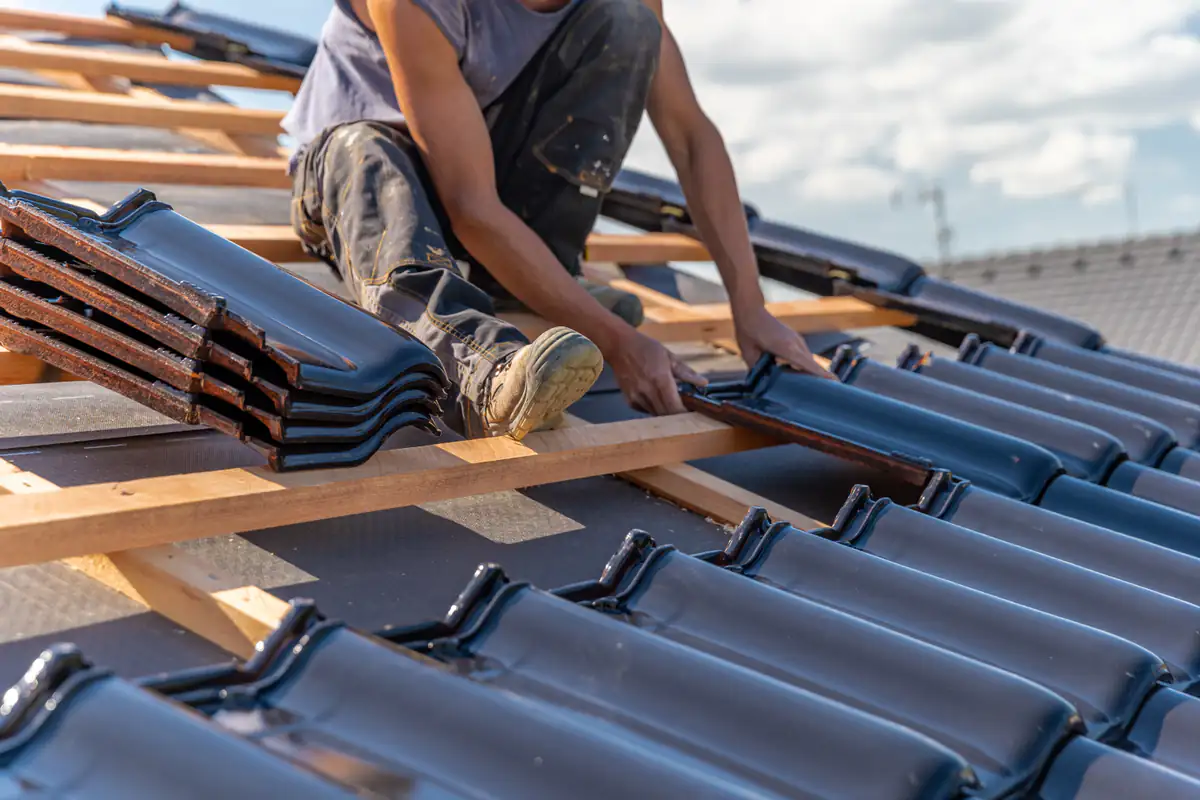
First, we come out and actually look at your roof. Not a satellite image, not a drone photo. We get up there, check the decking, look at the flashing, test the ventilation, and figure out what’s failing and why.
Then we walk you through what we found. If you need a full replacement, we’ll tell you. If you can get another few years with repairs, we’ll tell you that too. We’re not here to sell you a new roof if your current one still has life left.
Once you decide to move forward, we handle permits, material delivery, and scheduling. The actual installation usually takes a few days depending on the size of your home and the complexity of the roof. We protect your landscaping, keep the site clean, and make sure everything’s hauled off when we’re done.
After installation, we walk the property with you, show you what we did, and answer any questions. You’ll have our number if anything comes up, and you’ll have a warranty that covers both materials and labor.
Ready to get started?
You’re getting a full roof inspection before we even talk about pricing. That includes checking for structural issues, water damage, ventilation problems, and any code violations from previous work.
If you’re replacing your roof, we’re tearing off the old material down to the decking, replacing any damaged wood, installing proper underlayment, and then putting on your new roof with manufacturer-approved methods. We’re also upgrading flashing around chimneys, vents, and skylights because that’s where most leaks start.
In East Foothills, energy efficiency matters. Cooling a 3,000+ square foot home in summer isn’t cheap, and a poorly ventilated roof makes it worse. We install cool roof systems and proper attic ventilation that can cut your energy costs by 10-25%. That’s real money back in your pocket every month.
We also handle emergency repairs. California’s wildfire risk is real here—100% of properties in East Foothills face wildfire risk over the next 30 years. If storm damage or fire damage hits your roof, we respond fast because waiting even a few days can turn a $3,000 repair into a $30,000 disaster.
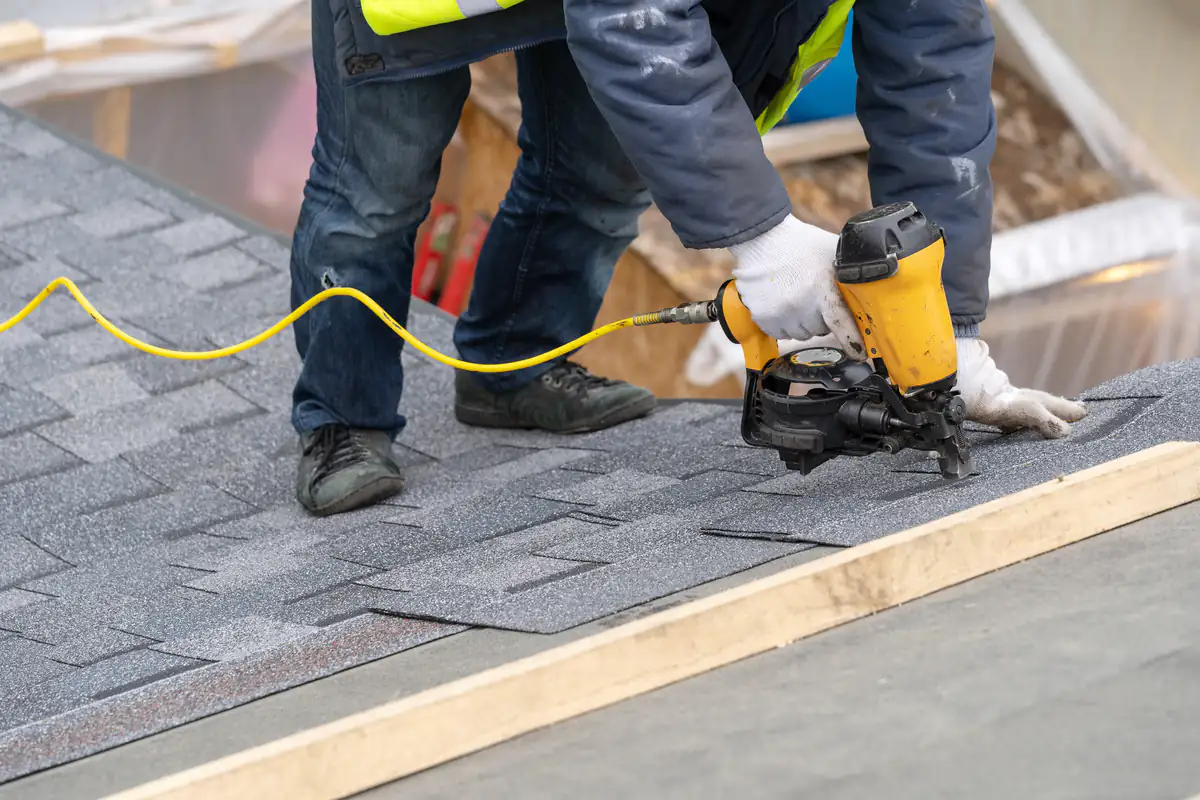
Most full roof replacements in East Foothills run between $25,000 and $45,000 depending on the size of your home, the materials you choose, and how much structural repair is needed underneath. The national average is around $29,000, but California labor rates and local permit costs push that higher.
Here’s what drives the price: a typical East Foothills home is 2,500 to 4,000 square feet with a moderately complex roofline. If you’re going with architectural shingles, you’re looking at one price range. If you want metal roofing or tile, you’re looking at another. Metal costs more upfront but lasts 40-70 years and cuts your cooling costs. Shingles cost less but need replacement every 20-25 years.
The other factor is what we find when we tear off your old roof. If the decking is rotted or if there’s mold from years of leaks, that adds to the cost. We won’t know until we get up there, but we’ll tell you exactly what needs fixing before we start the work.
In California, asphalt shingles typically last 15-25 years. Metal roofs last 40-70 years. Tile can go 50+ years if it’s installed correctly. But those are best-case numbers assuming proper installation and regular maintenance.
California’s climate is tough on roofs. You’ve got intense UV exposure that breaks down shingles faster than in other parts of the country. You’ve got temperature swings between summer and winter that cause materials to expand and contract. And you’ve got heavy winter rains that find every weak point in your flashing and underlayment.
Most of the homes in East Foothills were built between 1940 and 1999, which means a lot of roofs are either past their lifespan or getting close. If your roof is over 20 years old and you’re seeing cracked shingles, granule loss, or leaks in your attic after heavy rain, you’re probably looking at a replacement soon. Waiting too long doesn’t save money—it just means you’re paying for water damage on top of the new roof.
If more than 30% of your roof is damaged, replacement usually makes more sense than repairs. If you’re seeing widespread shingle damage, multiple leaks, sagging sections, or daylight coming through your attic, you’re past the point where patches will hold.
Here’s how to think about it: small repairs—replacing a few shingles after a storm, fixing flashing around a chimney, sealing a minor leak—those make sense if the rest of your roof is in good shape. But if you’re calling a roofer every year to patch a new problem, you’re just delaying the inevitable and spending money that should go toward a new roof.
California’s sun damage is cumulative. Shingles don’t just fail overnight. They crack, curl, lose granules, and eventually stop protecting your home. If your roof is over 20 years old and you’re seeing multiple issues, a full replacement gives you another 20-50 years of protection depending on the material. Repairs might buy you a year or two, but you’ll spend that time worrying about the next leak.
California law requires anyone doing roofing work over $500 to hold a valid contractor’s license. If someone’s offering to do your roof without a license, they’re breaking the law and you’re taking on all the liability if someone gets hurt or the work fails.
A licensed roofing contractor has passed state exams, carries insurance, and is bonded. That means if something goes wrong, you’re protected. If an unlicensed crew damages your property or someone falls off your roof, you’re the one paying for it. Your homeowner’s insurance won’t cover work done by unlicensed contractors.
In East Foothills, where home values average over $1.4 million, hiring an unlicensed roofer to save a few thousand dollars is a terrible risk. You’re betting your biggest asset on someone who has no accountability and no insurance. We’re licensed, pull proper permits, and make sure the work gets inspected and meets code. That matters when you sell your home or file an insurance claim.
Storm damage shows up as missing shingles, dents in metal flashing, cracked tiles, or visible holes. Sun damage is harder to spot from the ground but shows up as curling shingles, bald spots where granules have worn off, and brittle shingles that crack when you step on them.
After a major storm, get up in your attic with a flashlight and look for water stains, wet insulation, or daylight coming through the roof boards. If you see any of that, you’ve got active leaks that need immediate attention. Even small leaks cause mold, rot out your decking, and damage your insulation.
California’s UV exposure does just as much damage as storms, it just happens slower. If your roof is over 15 years old, the sun has been breaking down the asphalt in your shingles for over a decade. That makes them brittle and less waterproof. If you’re seeing granules washing into your gutters or shingles that look faded and worn, your roof is losing its ability to protect your home. A professional inspection will tell you how much life is left and whether you’re looking at repairs or replacement.
Yes. A properly installed roof with good ventilation and cool roof materials can reduce your cooling costs by 10-25%. That’s significant when you’re cooling a large home through California summers.
Here’s why it matters: most older roofs in East Foothills don’t have adequate attic ventilation. That means heat builds up under your roof, radiates into your living space, and forces your AC to work harder. A new roof gives you the chance to install proper ridge vents, soffit vents, and reflective underlayment that keeps your attic cooler.
Cool roof technology—whether that’s reflective shingles, metal roofing, or tile—reduces the amount of heat your roof absorbs. California’s Title 24 energy standards actually require cool roofs in many applications because they work. Metal roofs, in particular, reflect solar heat instead of absorbing it, which can drop your attic temperature by 20-30 degrees on a hot day. That translates directly into lower energy bills and a more comfortable home.
Other Services we provide in East Foothills