
Hear from Our Customers
Your energy bills stop climbing every summer because your attic isn’t turning into an oven. Metal roofing can reflect up to 70% of solar radiation, which means your AC isn’t running constantly just to keep up with heat pouring through an outdated roof.
You stop worrying about your insurance company dropping you. Carriers in California are shortening acceptable roof ages to 15-20 years, and they’re not shy about non-renewals when your roof doesn’t meet their standards.
You get documentation that actually matters when you need it. Permits handled correctly. Inspections scheduled and passed. Work that shows up clean in title searches if you ever sell. No surprises three years down the road because someone cut corners you didn’t even know existed.
We started as a family-owned HVAC company serving the greater Los Angeles area, and we’ve spent over 40 years learning how California weather beats up homes. Ramiro took over from his father in 2006 with the same approach: hire people who know what they’re doing, use materials that last, and don’t leave until the job’s done right.
Southgate sits in the heart of LA County, where intense UV exposure most of the year gives way to heavy winter rains. That cycle accelerates wear on shingles, flashing, and underlayment faster than most homeowners expect. We’ve seen it thousands of times, and we know which materials hold up and which ones fail early.
We’re not the biggest roofing contractor in Southgate, CA, but we’ve earned Diamond Certified and Super Service awards by treating your home the way we’d treat our own. When you call with a question two years later, you’ll reach someone who knows your project.
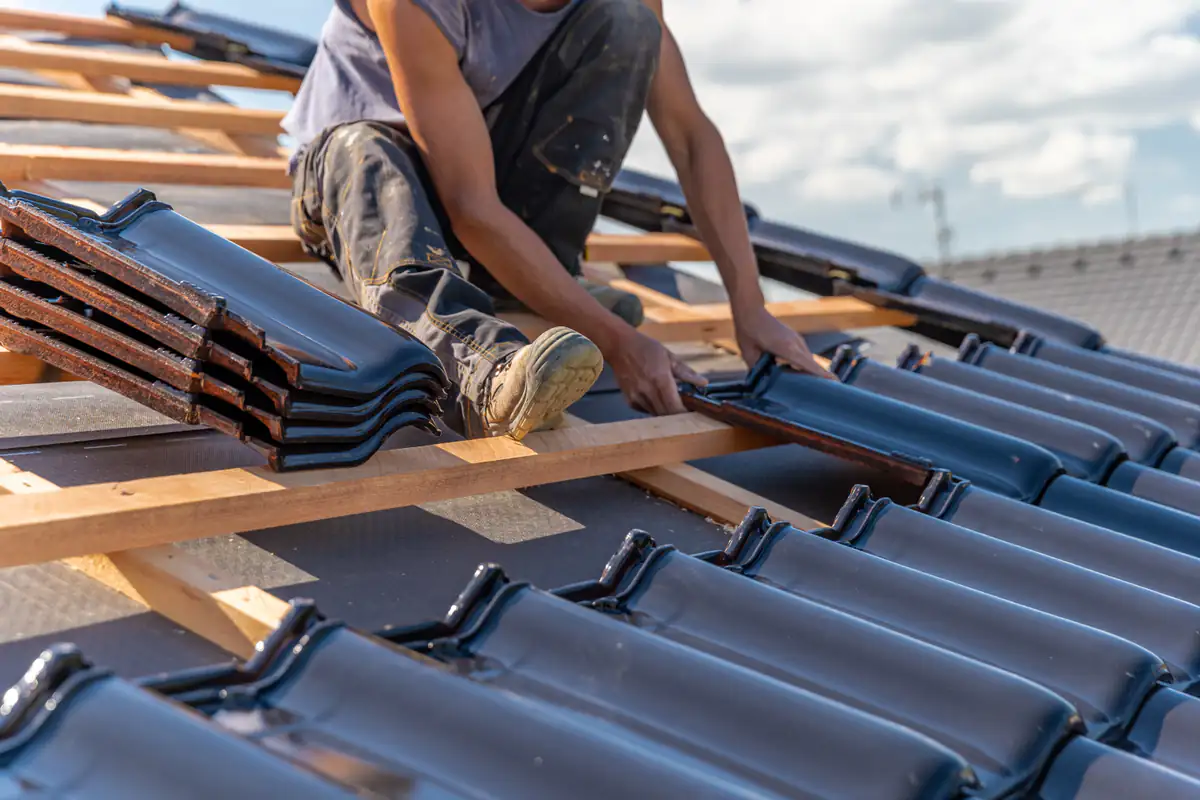
First, we come out and inspect your roof. Not just the obvious problem spot, but the whole system—shingles, flashing, ventilation, underlayment, and any signs of water intrusion. You get a clear explanation of what’s wrong, what needs fixing now, and what can wait.
Then we give you a written estimate that breaks down materials, labor, and timeline. No vague line items. If permits are required, we handle the application, coordinate with the city, and schedule inspections. You don’t deal with the building department yourself.
During the job, we protect your property with tarps and magnetic sweeps for nails. We don’t leave a mess. When we’re done, the city inspector signs off, you get copies of all permits and warranties, and we walk you through maintenance tips that actually extend your roof’s life. If something comes up later, you call the same number and talk to someone who remembers your project.
Ready to get started?
You get a full roof inspection that covers every vulnerable point—not just where you see the leak. We check ventilation because poor airflow in Southgate’s heat can reduce attic temperatures by 20-30 degrees when done right, which directly impacts how hard your HVAC system works.
We handle permits as part of the job. Some homeowners try to skip this step to save money, but unpermitted work shows up in title searches and can kill a sale or force you to tear off the roof and redo it. Insurance companies can also deny claims if your roof wasn’t permitted and inspected properly.
You get materials chosen specifically for California’s climate. Asphalt shingles rated for high UV exposure. Metal roofing systems that reflect heat instead of absorbing it. Proper underlayment that holds up when winter rains hit hard. We don’t use the cheapest option available—we use what lasts in this environment.
All work comes with written warranties that mean something because we’ve been serving this area since 1985. We’re not a storm chaser crew that disappears after the next weather event. When you need us, we’re still here.
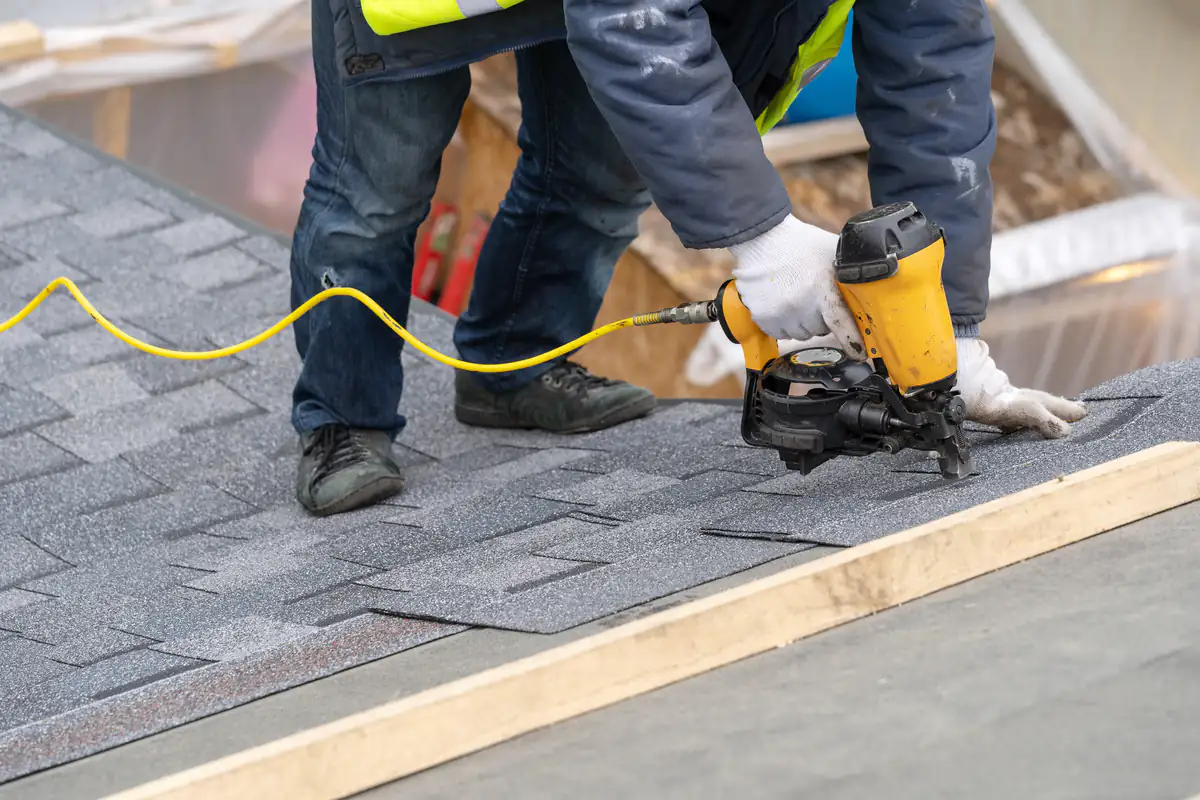
It depends on how much of your roof is damaged and how old the existing system is. If you’ve got isolated damage—a few missing shingles after wind, one section of flashing that’s failed, or a small leak in an otherwise solid roof—repair usually makes sense.
But if your roof is over 20 years old, you’re seeing multiple leak points, or more than 30% of the surface shows wear, replacement is often the smarter move financially. Patching an aging roof turns into a cycle of constant repairs that cost more over time than just replacing it once.
Insurance companies in California are tightening their standards. Many carriers won’t renew policies on roofs older than 15-20 years, regardless of condition. If you’re close to that threshold, replacement might be your only option to maintain coverage. We’ll inspect the whole system and give you an honest assessment of whether repair buys you meaningful time or just delays the inevitable.
Southgate gets intense UV exposure most of the year, then heavy rain in winter. That combination is hard on roofing materials, so you need products rated for high heat and water resistance.
Asphalt shingles work if they’re architectural-grade with high UV ratings—not the cheapest builder-grade options. Metal roofing performs extremely well here because it reflects up to 70% of solar radiation, keeping your attic cooler and reducing energy costs. Tile is another solid option for durability, though it’s heavier and requires proper structural support.
What doesn’t work: thin, budget shingles that curl and crack under constant sun. Underlayment that isn’t rated for California weather. Any system installed without proper ventilation, because trapped heat accelerates deterioration from the inside. We’ll recommend materials based on your budget, your home’s structure, and what actually lasts in this environment—not what’s easiest for us to install.
Yes. Permits aren’t optional, and skipping them creates problems that cost more to fix later than the permit would’ve cost upfront.
If you ever sell your home, unpermitted work shows up in title searches. Buyers’ lenders often require it to be corrected before closing, which can mean tearing off your roof and redoing it properly—at your expense. Insurance companies can also deny claims if they discover your roof wasn’t permitted and inspected according to code.
Permits ensure the work meets California building standards for wind resistance, fire rating, and structural load. The city inspector checks flashing, underlayment, and ventilation—things that aren’t visible once the shingles go on but determine whether your roof fails in five years or lasts twenty. We handle the permit application, coordinate with the building department, and schedule required inspections as part of our service. You don’t deal with the city yourself, and the work gets done right the first time.
Most residential roof replacements take two to five days depending on the size of your home, the complexity of the roof design, and weather conditions. A straightforward single-story home with a simple gable roof might be done in two days. A two-story home with multiple valleys, chimneys, and skylights takes longer.
We’re not rushing to move on to the next job. We’re making sure flashing is installed correctly, underlayment is smooth and sealed, and every penetration point is watertight. Cutting corners to finish faster just means you’re calling us back in three years when leaks start.
Weather can delay things. We don’t install roofing materials in the rain because moisture trapped under shingles leads to mold and premature failure. If a storm rolls through mid-project, we’ll tarp everything securely and resume when conditions are right. You’ll know the timeline upfront, and we’ll update you if anything changes. When we say we’re done, the city inspector has signed off and your roof is actually finished—not 90% complete with a promise to come back later.
If your current roof has poor ventilation or heat-absorbing materials, yes—a new roof can significantly reduce cooling costs. Proper attic ventilation alone can lower attic temperatures by 20-30 degrees, which means your AC isn’t fighting against a superheated space above your living areas.
Metal roofing reflects up to 70% of solar radiation instead of absorbing it. That keeps your attic cooler and reduces the load on your HVAC system during Southgate’s hot summers. Even high-quality asphalt shingles with reflective granules perform better than old, dark shingles that soak up heat.
The energy savings depend on your current setup and what we install, but homeowners typically see a noticeable drop in summer utility bills after replacing an outdated roof with modern materials and proper ventilation. We’ll assess your attic during the inspection and explain exactly what improvements will make a difference for your home. If ventilation is the issue, we’ll address it. If your materials are absorbing too much heat, we’ll recommend options that reflect it instead.
Check how long they’ve been in business locally. Storm chasers follow weather events, canvas neighborhoods aggressively, and disappear after collecting payment. If a contractor can’t show you a local track record of at least several years, that’s a red flag.
Ask if they handle permits or if you’re responsible for pulling them. Legitimate roofing contractors in Southgate, CA include permit costs in their estimates and coordinate with the city. If someone suggests skipping permits to save money, walk away—that’s a setup for problems when you sell or file an insurance claim.
Get a written estimate that breaks down materials, labor, and timeline. Vague proposals with one lump sum and no detail make it easy for contractors to cut corners or add surprise charges later. Ask what specific materials they’re using and verify those products are rated for California’s climate. If they’re proposing the cheapest shingles available, question whether that’s really what you want on your roof for the next 15 years. We’ve been serving this area since 1985, and we’re still here because we do the job right—not because we’re the cheapest option on the block.
Other Services we provide in Southgate