
Hear from Our Customers
You’re not looking for the cheapest patch job. You need a roof that handles what Twin Creeks throws at it—those 50-70 mph wind gusts, atmospheric rivers dumping inches of rain in hours, and the occasional hail event that’s becoming less occasional.
A solid roof means you’re not scrambling for buckets during the next storm. You’re not dealing with water stains spreading across your ceiling or wondering if that drip is going to turn into structural damage. You’re sleeping through the rain instead of lying awake listening for new leaks.
The right roofing contractor in Twin Creeks, CA gives you that peace of mind. Not just a quick fix, but a roof system built to handle Santa Clara County’s weather patterns—the kind that keeps insurance claims off your plate and your home protected year after year.
We operate in Santa Clara County with the proper C-39 Roofing Contractor license, full liability coverage, and workers’ compensation insurance. That’s not just paperwork—it’s protection for you if something goes wrong on your property.
We’re not storm chasers who show up after bad weather and disappear before the warranty matters. We’re here before, during, and after the job. You’ll work with the same local roofing contractor from estimate to completion, and if you need us two years from now, we’ll still be here.
Twin Creeks homeowners deal with specific challenges—older homes with aging roof systems, new construction that needs to meet updated codes, and everyone facing California’s increasingly unpredictable weather. We’ve handled them all, and we know which materials hold up and which shortcuts come back to bite you.
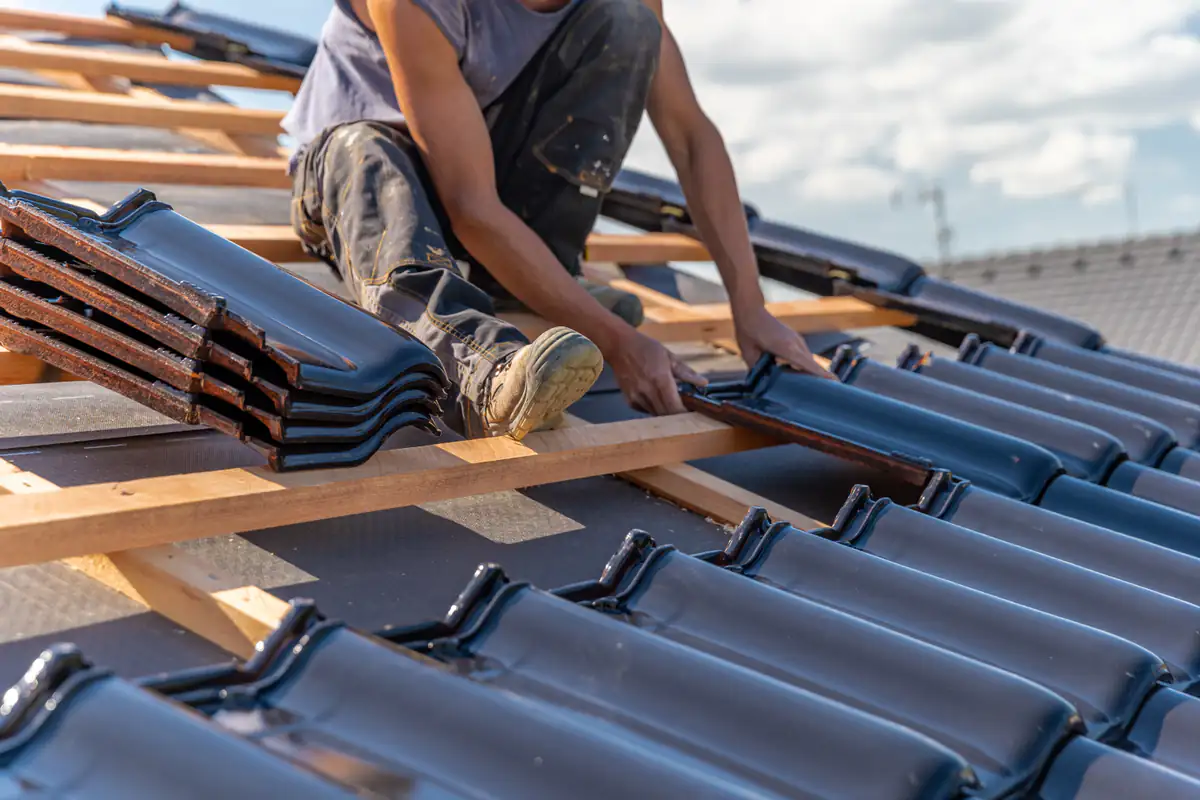
First, we inspect your roof—not from the ground with binoculars, but up there looking at shingles, flashing, valleys, and penetrations. We document everything with photos and notes, then walk you through what we found. No jargon, no upselling, just what’s wrong and what it’ll take to fix it.
If you’re filing an insurance claim for storm damage, we’ll provide the documentation your carrier needs: detailed photos, measurements, scope of work. We’ve worked with every major insurance company, and we know how to present a claim that gets approved the first time.
Once you approve the estimate, we schedule the work around your life—not ours. We protect your landscaping, your HVAC equipment, and anything else that could get damaged during tear-off. Our crew handles removal, installation, cleanup, and a final walkthrough where we show you the completed work and answer any questions.
You get a roof that’s built to code, installed correctly, and backed by manufacturer warranties that actually mean something. We don’t leave until you’re satisfied and your property looks like we were never there—except for the new roof.
Ready to get started?
Emergency roof repair when you need it—24-hour response for urgent leaks or storm damage that can’t wait until Monday. We’ll tarp it, secure it, and prevent further damage while we line up the permanent fix.
Full roof replacements using GAF-certified materials—impact-resistant shingles that handle hail and debris, proper underlayment that adds a second layer of protection, and flashing systems that seal every vulnerable point. Metal roofing options if you want something that lasts 50+ years with minimal maintenance.
Storm damage assessment and insurance claim support—we document everything your adjuster needs to see, and if your claim gets denied, we’ll help you appeal with additional evidence. Twin Creeks sees more wind and water damage than most homeowners realize, and insurance companies don’t always approve claims the first time.
Roof inspections that catch problems early—annual checkups help you avoid the $12,000+ average cost of California wind damage repairs. We’ll spot loose shingles, failing flashing, and worn valleys before they turn into leaks. Small fixes now beat emergency replacements later.
Most homeowners policies cover sudden, accidental damage from wind, hail, and falling objects—but not wear and tear or deferred maintenance. If a storm ripped shingles off your roof, that’s typically covered. If your 25-year-old roof is just worn out, that’s on you.
The tricky part is proving the damage happened during a specific weather event. Insurance adjusters look for impact marks, wind patterns, and timestamps that match recent storms. That’s where professional documentation matters—photos with metadata, measurements showing code violations from wind uplift, and written assessments that connect the damage to a covered event.
Your deductible in California is usually 1-2% of your home’s dwelling coverage. On a $300,000 home, you’re paying $3,000-$6,000 out of pocket before insurance kicks in. If your damage estimate is $4,000 and your deductible is $6,000, filing a claim doesn’t help. But if you’re looking at $15,000 in repairs, that claim saves you serious money. We’ll walk you through the math before you file.
Repair makes sense when damage is localized—a few missing shingles, one section of flashing that failed, or a small leak around a chimney. You’re replacing the damaged materials and leaving everything else alone. Costs run $500-$3,000 depending on scope, and you’re back to normal in a day or two.
Replacement means tearing off everything down to the deck and starting over. You do this when your roof is near the end of its lifespan (20-25 years for asphalt shingles), when damage is widespread, or when repairs would cost more than half of a new roof anyway. Expect $9,000-$30,000 depending on size, materials, and complexity.
Here’s the decision point: if your roof is over 15 years old and you’re doing a second or third repair, replacement usually makes more financial sense. You’re not throwing good money after bad, and you’re resetting the clock on warranties and performance. If your roof is under 10 years old and damage is isolated, repair it and move on. We’ll tell you which situation you’re in—no upselling, just honest assessment based on age, condition, and cost comparison.
Most residential roof replacements take 1-3 days depending on size, pitch, and complexity. A standard single-story home with simple gable roofs? One day, maybe two. A two-story with multiple valleys, skylights, and steep pitches? Three days, possibly four if we hit weather delays.
We start early, work straight through, and clean up at the end of each day so you’re not living in a construction zone overnight. Tear-off is loud—there’s no way around it—but it’s done by mid-morning. Installation is quieter, and final cleanup includes magnetic sweeps for nails and a full perimeter check for debris.
Twin Creeks weather can throw curveballs. California’s storm season runs October through February, and we won’t install shingles in active rain or high winds. If we’re mid-job and weather moves in, we’ll tarp everything and resume when conditions allow. That’s not cutting corners—that’s protecting your investment. A roof installed in bad weather fails early, and no manufacturer warranty covers improper installation conditions. We’d rather delay a day than give you a roof that leaks in two years.
California requires a C-39 Roofing Contractor license for any roofing work over $500. That license means the contractor passed exams, proved financial stability, and carries proper insurance. Unlicensed roofers don’t carry liability coverage or workers’ comp—if someone gets hurt on your property or damages your home, you’re liable.
Cheaper usually means unlicensed, and unlicensed means risk. You have no recourse if the work fails, no warranty protection, and no way to file a complaint with the Contractors State License Board. You’re also violating code, which can complicate insurance claims and home sales down the road.
Licensed roofing contractors cost more because they’re playing by the rules—insurance, permits, inspections, proper materials. That 20% price difference buys you legal protection, quality standards, and someone who’ll still be around if something goes wrong. We’ve fixed plenty of botched jobs from unlicensed crews, and the repair cost always exceeds what the homeowner “saved” by going cheap. Spend the money once, or spend it twice. Your call.
Impact-resistant asphalt shingles are the most common choice in Santa Clara County—they handle wind, rain, and occasional hail while staying affordable. Class 4 impact-rated shingles resist damage from debris and hail better than standard shingles, and some insurance carriers offer discounts for installing them.
Metal roofing is gaining ground because it lasts 50+ years, sheds water instantly, and handles high winds without lifting or tearing. Upfront cost is higher—roughly double asphalt—but you’re done roofing for the life of the home. Metal also cuts cooling costs by reflecting heat, which matters during California’s hot months.
Cool roof coatings and reflective materials help with energy efficiency. California’s Title 24 energy code encourages cool roofs, especially on low-slope sections. You’ll see 7-15% reductions in cooling costs with the right materials. We’ll walk you through options based on your home’s style, your budget, and how long you plan to stay. If you’re selling in three years, premium metal doesn’t make sense. If you’re here for twenty, it might be the smartest money you spend.
First, contain the water—buckets, towels, whatever stops it from spreading to floors and walls. Move furniture and electronics away from the leak. If you can safely access your attic, look for the entry point and mark it so we know where to focus when we arrive.
Don’t go on your roof during a storm. Wet shingles are slippery, wind gusts are unpredictable, and one wrong step puts you in the hospital. If the leak is severe and you absolutely need to tarp it yourself, wait until conditions are safe and use proper fall protection. Most homeowners should skip this step and call for emergency service.
We offer 24-hour emergency roof repair for active leaks that can’t wait. We’ll tarp the damaged section, secure loose materials, and stop water intrusion until we can schedule permanent repairs. Document everything with photos for your insurance claim—the leak, the water damage, the exterior damage if you can see it safely from the ground. The more evidence you have, the smoother your claim process goes. Then call us, and we’ll take it from there.
Other Services we provide in Twin Creeks