
Hear from Our Customers
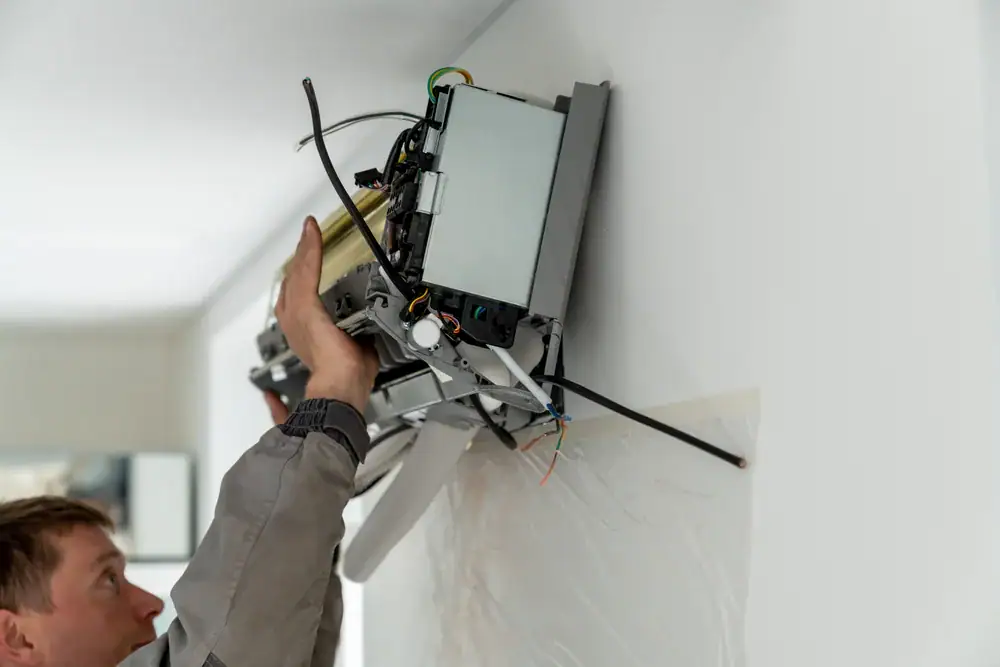
Here’s what changes after you replace that old AC unit. Your energy bills drop because modern systems don’t work as hard to cool the same space. You’re not calling for repairs every few months because new equipment actually runs the way it’s supposed to. Your house stays the same temperature in every room instead of that one bedroom that’s always ten degrees warmer.
North San Jose summers hit 90 to 95 degrees regularly, and those heat waves are getting longer. An air conditioning unit replacement means you’re not sweating through another July hoping your system holds up. You’re not dealing with that loud rattling at 2 a.m. or uneven cooling that makes half your house unbearable.
You get consistent temperatures, quieter operation, and air that’s actually filtered properly. That’s the difference between limping through summer and forgetting your AC exists because it just works.
We’ve been handling home AC replacement in North San Jose since 1985. That’s nearly four decades of seeing what breaks, what lasts, and what actually makes sense for homes in this area. The techs who show up have been doing this long enough to spot problems before they become expensive ones.
Licensed, insured, and local. You’re not getting a crew that’s learning on your dime or disappearing after the install. We offer same-day service when your system goes down in the middle of a heat wave. Free estimates so you know what you’re paying before anyone starts work. Fifteen percent off for seniors and military families because that’s how it should be.
North San Jose has a mix of older homes without central air and newer builds with systems from the mid-2000s that are due for replacement. Both need someone who knows the local building codes, understands how these homes are laid out, and won’t cut corners to save twenty minutes.
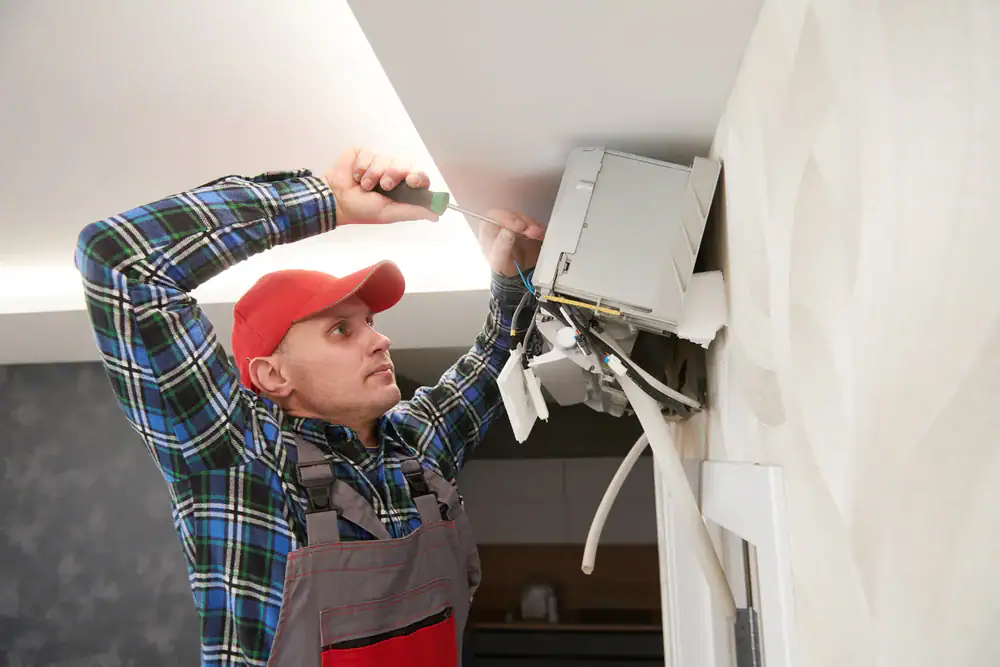
First, you call or reach out for a free estimate. A tech comes out, looks at your current setup, measures your space, and checks your ductwork and electrical. You get a straightforward quote based on your home—not a sales pitch with five different packages designed to confuse you.
Once you’re ready to move forward, we schedule the install. The crew shows up on time, pulls out the old unit, and installs the new system. That includes connecting it to your existing ductwork, wiring it correctly, charging the refrigerant, and testing everything to make sure it’s running right. If your ductwork needs adjustments or your electrical panel needs an upgrade, we handle that too.
After the install, the tech walks you through how the new system works, answers your questions, and makes sure you’re comfortable with the thermostat. Then they clean up and leave. The whole process usually takes a day, depending on whether there are any complications with the existing setup. You’re left with an air conditioning system replacement that’s ready to run for the next 15 to 20 years.
Ready to get started?
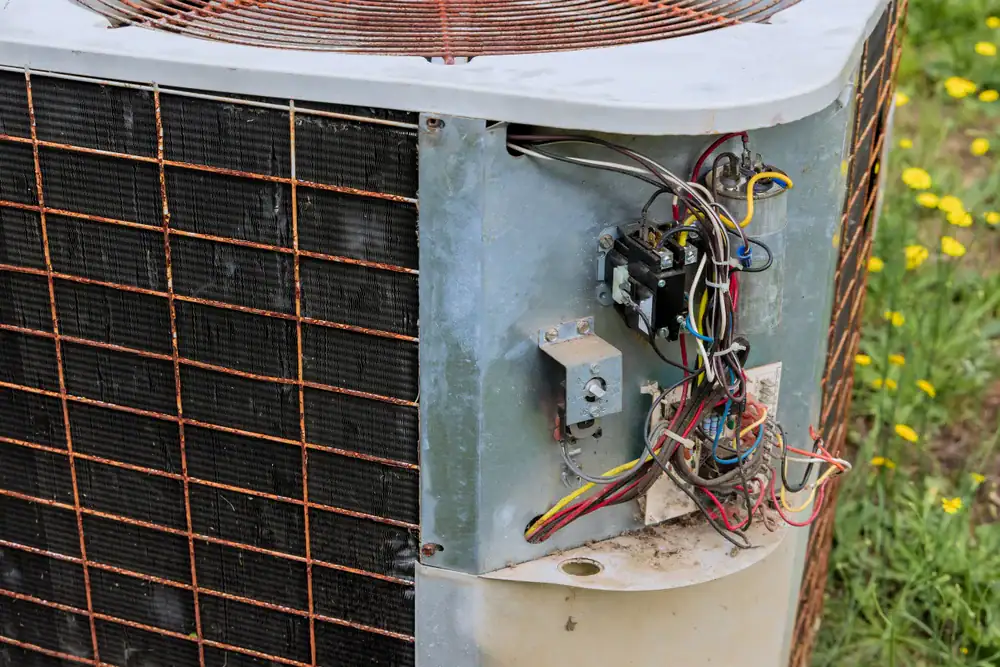
Your AC unit replacement in North San Jose covers the full system—not just the outdoor condenser. That means the indoor air handler or evaporator coil, the outdoor compressor unit, refrigerant lines, electrical connections, and a new thermostat if yours is outdated. Everything gets installed to California energy codes, which are some of the strictest in the country.
North San Jose homes built before 2000 often need ductwork adjustments because older ducts leak or weren’t sized correctly in the first place. If that’s the case, we address it during the install so you’re not losing cooled air in the attic or crawl space. Electrical upgrades sometimes come into play too—older homes weren’t wired for the load that modern AC systems pull, so the panel might need an update.
You also get a system that’s properly sized for your square footage. Oversized units cycle on and off too frequently and waste energy. Undersized units run constantly and never cool the house. The right size means the system runs efficiently, lasts longer, and keeps your home comfortable without burning through electricity. That’s especially important in North San Jose, where nearly a quarter of single-family homes still don’t have central air and are adding it for the first time.
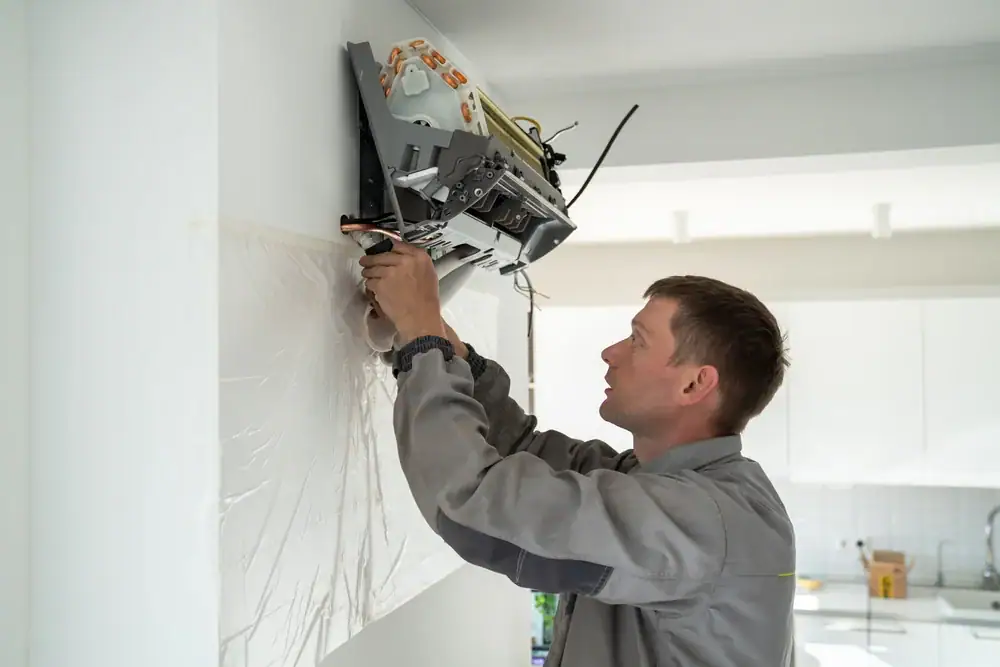
Most air conditioner replacements in North San Jose run between $3,500 and $7,500, depending on the size of your home, the efficiency rating you choose, and whether your ductwork or electrical needs work. A straightforward swap on an existing system with good ducts and adequate electrical usually lands on the lower end. Homes that need duct repairs, panel upgrades, or are adding central air for the first time cost more.
System prices have climbed significantly since 2019—some replacements now push $12,000 to $15,000 if you’re going with high-efficiency equipment or dealing with complicated installs. But most homes in North San Jose with standard layouts and existing ductwork don’t hit that range. You’ll get a free estimate upfront so there’s no guessing.
Energy-efficient models with higher SEER ratings cost more initially but drop your monthly bills. If your current system is from the mid-2000s or earlier, you’re probably spending way more on electricity than you need to. A modern unit pays for itself over time through lower energy costs, fewer repairs, and better performance during those 95-degree summer days.
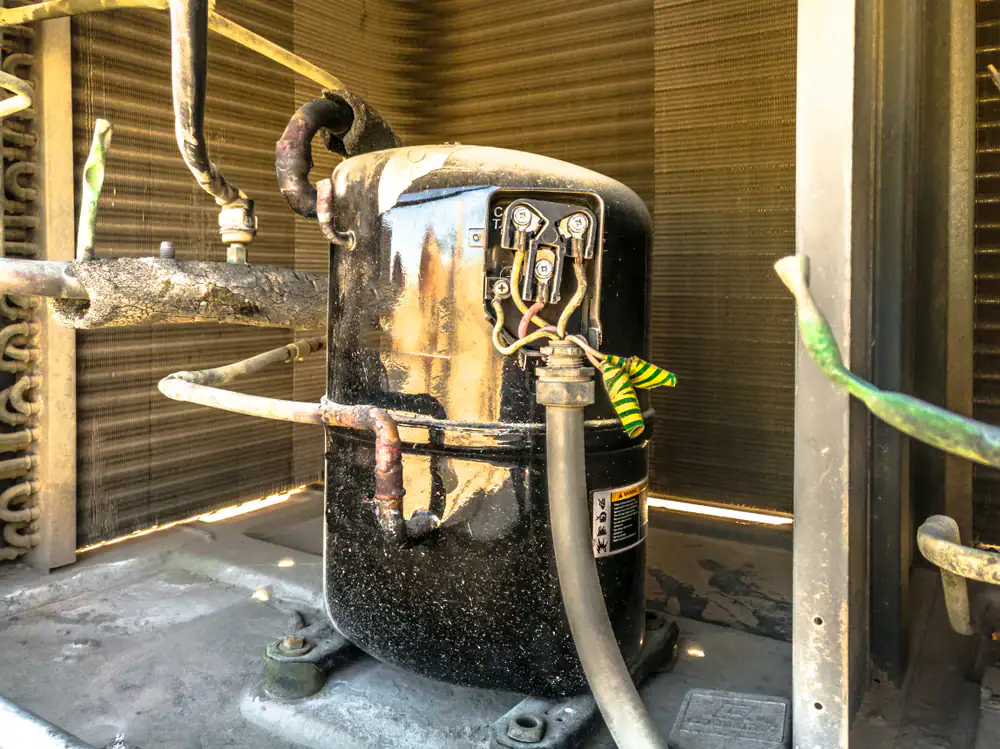
If your system is over ten years old and needs a major repair—compressor, evaporator coil, or condenser—replacement usually makes more sense. Repairs on older units often cost $1,500 to $3,000, and you’re likely to need another expensive fix within a year or two. At that point, you’re paying for repairs on a system that’s still inefficient and unreliable.
Frequent breakdowns are another sign. If you’re calling for service more than once a year, or if your energy bills keep climbing even though you’re not using the AC any differently, the system is on its way out. Uneven cooling, strange noises, and weak airflow all point to a system that’s struggling.
Age matters too. AC units typically last 15 to 20 years in North San Jose’s climate, but efficiency drops after the first decade. If your system is from 2010 or earlier, you’re running equipment that uses significantly more energy than current models. Replacing it now means lower bills, better cooling, and no more surprise breakdowns during heat waves when every HVAC company is booked solid.
Size depends on your home’s square footage, insulation, ceiling height, number of windows, and how much sun hits your house during the day. A typical 1,500-square-foot home in North San Jose usually needs a 2.5 to 3-ton unit, but that’s not a hard rule. Older homes with poor insulation or lots of west-facing windows might need more capacity. Newer homes with good insulation and energy-efficient windows might need less.
Oversizing is a common mistake. A unit that’s too large cools the house quickly but shuts off before it removes enough humidity, leaving your home cold and clammy. It also cycles on and off more frequently, which wears out the compressor faster and wastes energy. Undersizing means the system runs constantly, never quite reaches the temperature you set, and burns out sooner.
The right approach is a load calculation during the estimate. A tech measures your space, checks your insulation and windows, and calculates exactly what capacity you need. That’s how you end up with a system that runs efficiently, lasts longer, and keeps your home comfortable without constantly running or short-cycling. Don’t let anyone quote you a size over the phone—it doesn’t work that way.
Most AC replacements in North San Jose take one day if it’s a straightforward swap—pulling out the old system and installing a new one on existing ductwork and electrical. The crew usually arrives in the morning, removes the old indoor and outdoor units, installs the new equipment, connects everything, charges the refrigerant, and tests the system. You’re up and running by the end of the day.
Complications add time. If your ductwork needs repairs or modifications, that can push the job into a second day. Electrical panel upgrades take extra time too, especially if the existing panel is outdated or doesn’t have enough capacity for a modern AC system. Homes adding central air for the first time—common in North San Jose where 22% of single-family homes still don’t have it—take longer because ductwork has to be installed from scratch.
Weather and permit requirements can also affect timing. Some cities require permits and inspections for HVAC replacements, which can delay the start date. But once the crew is on-site and working, the actual install moves quickly. Most homeowners are surprised how fast it happens compared to other home improvement projects. You’re not dealing with weeks of disruption—just one or two days, and then you’re done.
Yes, especially if your current system is over ten years old. AC units from the mid-2000s or earlier use significantly more electricity than modern equipment. A system from 2005 might have a SEER rating of 10, while current models start at 14 and go up to 20 or higher. That difference translates directly to your monthly bill—a higher SEER rating means less energy to cool the same space.
Older systems also lose efficiency as they age. Worn compressors, refrigerant leaks, and dirty coils force the unit to work harder, which burns more electricity. A new air conditioning system replacement runs at peak efficiency from day one, and if you keep up with basic maintenance, it stays efficient for years. Homeowners in North San Jose typically see a 20% to 40% drop in cooling costs after replacing a decade-old system.
The savings add up faster during heat waves. North San Jose summers are getting hotter, with more frequent days over 90 degrees. An inefficient AC running constantly during a heat wave can spike your bill by $200 to $300 for the month. A modern system handles the same heat with less runtime and lower energy draw. Over the 15 to 20-year lifespan of the unit, those monthly savings more than cover the upfront cost of the replacement.
Most HVAC companies in the area offer financing options because AC replacement costs have climbed significantly in recent years. Systems that used to run $5,000 now cost $7,500 or more, and not everyone has that sitting in savings—especially if the system died unexpectedly during a heat wave. Financing spreads the cost over monthly payments instead of one large upfront bill.
We work with homeowners to find payment plans that fit their budget. That usually means options for different term lengths and interest rates depending on your credit. Some plans offer zero interest if you pay off the balance within a set period, which makes sense if you can swing the monthly payments but don’t want to drain your emergency fund.
Our senior and military discounts also apply—15% off the total cost, which can save you $500 to $1,000 depending on the system. That discount stacks with financing, so you’re financing a lower amount to begin with. The goal is to get your home comfortable without putting you in a financial bind. Replacing your AC shouldn’t mean choosing between a working system and paying your other bills.
Get Your Free HVAC Quote Today
Contact our friendly team today for a free estimate and experience the difference.
Company
Support
Useful Links