
Hear from Our Customers
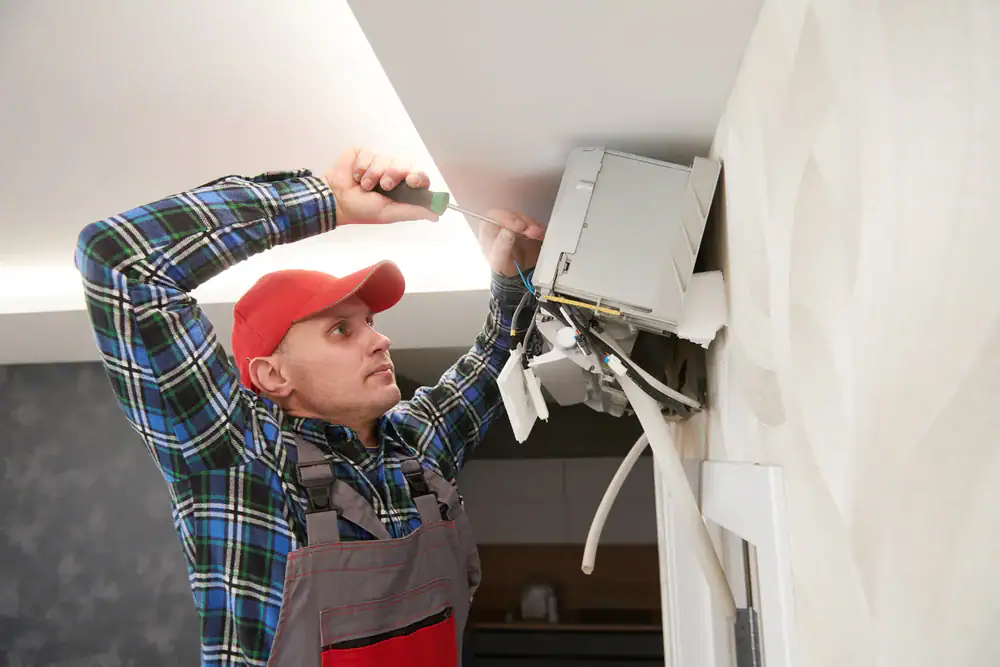
You’re not just buying a new box that blows cold air. You’re ending the cycle of breakdowns, high energy bills, and rooms that never quite cool down the way they should.
A proper AC replacement in Stanford, CA means your home stays comfortable through August without the thermostat wars. It means your monthly utility bill drops because newer systems run 20-40% more efficiently than units over a decade old. And it means you’re done calling for repairs every few months.
We size the system based on your home’s actual layout and cooling load—not guesswork. That’s how you avoid short cycling, uneven temperatures, and the expensive mistakes that come from installing the wrong equipment. Most installations finish in a day, and you’ll notice the difference immediately.
All Fresh Temp has been family-owned since 1985. We’ve handled AC system replacement in Stanford, CA through every heat wave, regulation change, and equipment evolution over the last 40 years.
That means we know Stanford’s climate. We know the homes here. And we know what works when it’s 85 degrees in September and your old unit can’t keep up.
We’re not the cheapest option, and we won’t pretend to be. You’re paying for technicians who’ve been doing this long enough to spot problems before they become expensive ones. You’re paying for installations that meet California’s strict efficiency standards and actually last. And you’re working with people who’ll be here next year when you need maintenance—not a crew that disappears after the check clears.
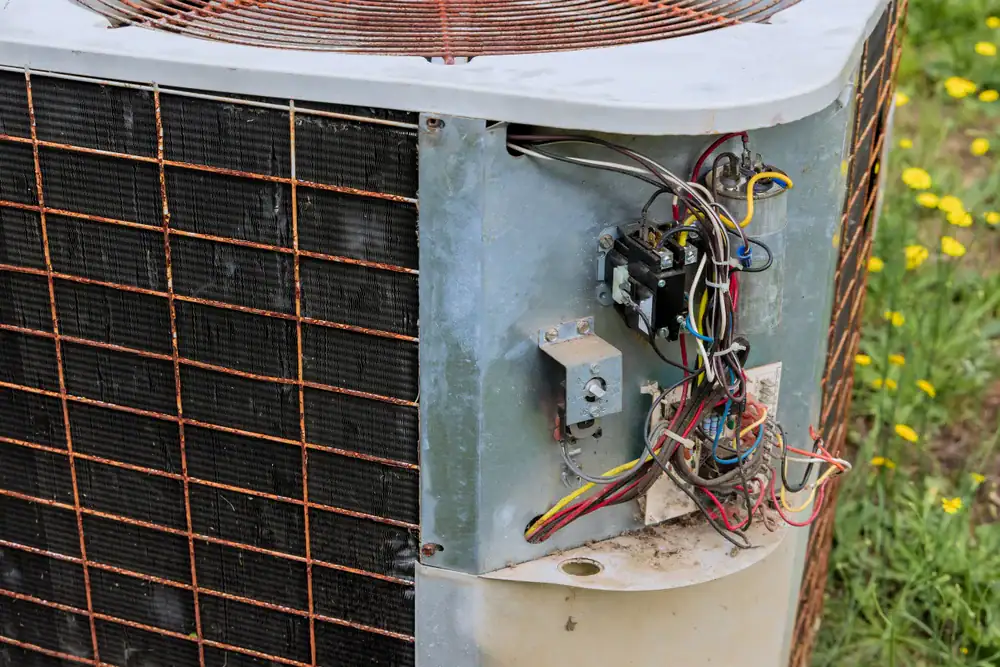
First, we assess your home. That means looking at your existing ductwork, measuring your space, and running a proper load calculation. This isn’t a 10-minute walkthrough—it’s how we determine what size system you actually need.
Next, we walk you through your options. You’ll see units that meet California’s 14.3 SEER2 minimum rating, and we’ll explain what you gain by going higher. We’ll also cover features like variable-speed compressors, smart thermostats, and zoning if your home could benefit from them.
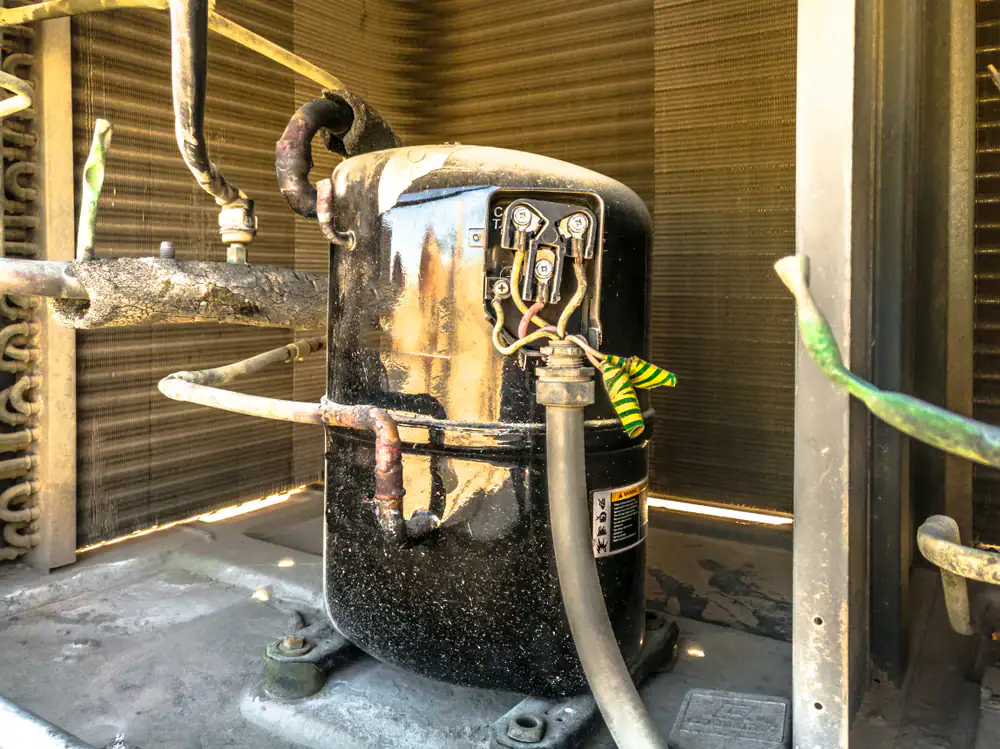
Installation day is straightforward. We remove your old unit, install the new system, test everything, and make sure it’s running correctly before we leave. Most air conditioning unit replacement projects in Stanford, CA finish within a day unless there’s ductwork that needs attention.
After installation, you’ll get a walkthrough of your new system—how to use it, what to watch for, and when to schedule maintenance. Then we’re done. You’re cool again, and your energy bills start dropping next month.
Ready to get started?
Every home AC replacement in Stanford, CA includes a professional load calculation to size your system correctly. That’s not optional—it’s how you avoid the problems that come from oversized or undersized equipment.
You’ll get a system that meets California’s current efficiency requirements, which means 14.3 SEER2 or higher. That’s not just about compliance—it’s about keeping your energy costs down in a state where utility rates aren’t cheap. And starting in 2026, all new installations have to use low-GWP refrigerants like R-32 or R-454B, so we’re already installing systems that meet those standards.
We also check your ductwork during the process. Leaky ducts waste up to 30% of your cooling, so if there’s an issue, we’ll tell you. Some homes need minor sealing, others are fine as-is. Either way, you’ll know before we finish.
You’ll also get a free estimate upfront, so there’s no confusion about cost. And if you’re replacing a system that qualifies for federal tax credits before December 31, 2025, we’ll make sure you have the documentation you need.
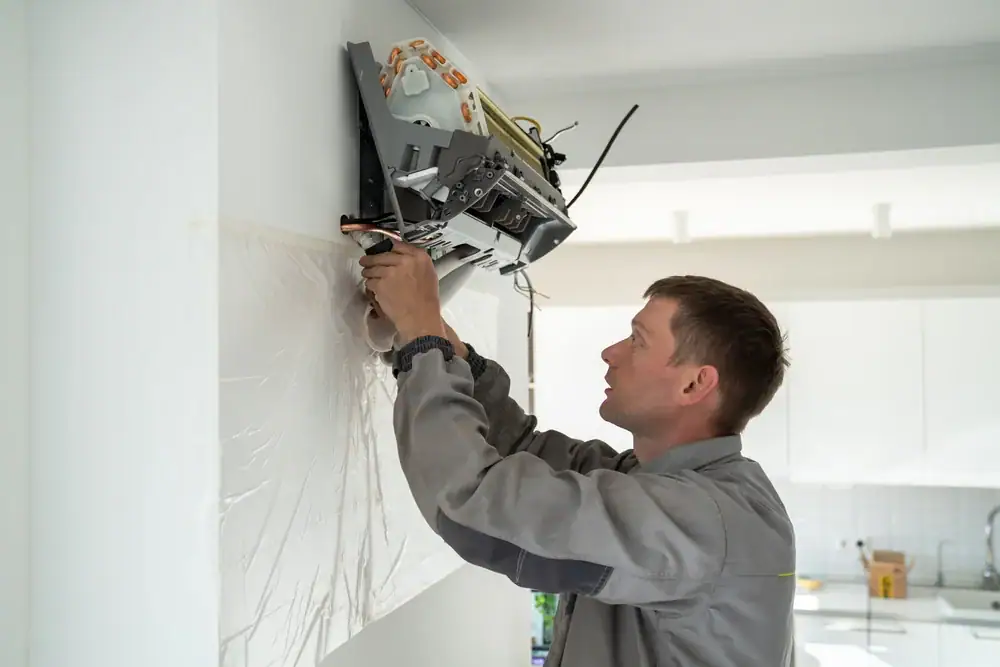
Most homeowners in Stanford, CA pay between $5,000 and $12,500 for air conditioner replacement, depending on the system’s efficiency level and your home’s size. Standard efficiency units that meet California’s minimum 14.3 SEER2 rating typically run $5,000 to $8,300. Mid-range systems with better efficiency and features like variable-speed compressors fall in the $8,300 to $12,500 range.
California’s costs run higher than national averages because of stricter regulations, higher labor rates, and the need for compliant equipment. You’re also paying for proper load calculations and installation quality, which directly affect how long your system lasts and how much it costs to run.
Emergency replacements during peak summer months cost more because demand is high and contractors are booked. If you can plan your replacement during fall or early spring, you’ll often find better pricing and more availability.
If your AC is over 10-15 years old and you’re calling for repairs more than once a year, replacement usually makes more financial sense than continuing to fix it. Older systems also run far less efficiently, which means you’re paying more every month just to stay comfortable.
Other signs include rooms that never cool down properly, strange noises like grinding or squealing, and energy bills that keep climbing even though you’re not using the system more. If your unit is short cycling—turning on and off constantly—that’s often a sign it’s either failing or was sized incorrectly from the start.
You should also replace your system if it uses R-22 refrigerant, which is being phased out and expensive to refill. Modern refrigerants are more efficient and better for the environment, and you’ll need a new system to use them. Most homeowners who wait until their AC completely dies end up paying more for emergency service during the hottest weeks of summer, so planning ahead saves money and stress.
California requires a minimum 14.3 SEER2 rating for all new AC installations, which is equivalent to about 15 SEER under the old rating system. That’s higher than the federal minimum, and it’s designed to reduce energy consumption across the state.
Higher SEER2 ratings mean better efficiency and lower operating costs. A 16 SEER2 system will cost less to run than a 14.3 SEER2 unit, but it also costs more upfront. For most Stanford homeowners, the sweet spot is between 15 and 17 SEER2—efficient enough to keep bills down without overpaying for features you won’t use.
If you’re replacing an older system that’s 10 SEER or lower, even a base-level 14.3 SEER2 unit will cut your cooling costs by 20-40%. The efficiency difference is real, and you’ll see it in your utility bills within the first few months. Just make sure your contractor is quoting SEER2 ratings, not the older SEER standard, so you’re comparing apples to apples.
Most AC replacement projects in Stanford, CA are completed in a single day, typically within 6-8 hours. That includes removing your old unit, installing the new system, connecting it to your existing ductwork, and testing everything to make sure it’s running correctly.
If your ductwork needs repairs or modifications, the job might take longer—sometimes a day and a half. Homes with complex layouts, zoning systems, or older ductwork that needs sealing or replacement will add time to the project. We’ll tell you upfront if we expect the job to run longer than a day.
Emergency replacements during peak summer months can sometimes be scheduled within 24-48 hours, but you’ll pay more for the urgency. If you’re planning ahead, scheduling your replacement in late fall or early spring gives you more flexibility and often better pricing. Either way, you’ll be back to a cool, comfortable home faster than most people expect.
Yes. If you’re replacing a system that’s 10-15 years old, a new AC unit will typically reduce your cooling costs by 20-40%. Older systems lose efficiency over time, and they were built to lower standards than today’s California-compliant equipment.
The exact savings depend on your old system’s condition, your new system’s SEER2 rating, and how you use your AC. A 16 SEER2 unit will save you more than a 14.3 SEER2 model, but both will outperform an aging 10 SEER system. You’ll also save money if your new system is properly sized—oversized units waste energy by short cycling, and undersized units run constantly without cooling effectively.
Most Stanford homeowners notice the difference within the first billing cycle. You’re not just paying for a new AC—you’re paying for equipment that uses less electricity to do the same job. Over the system’s 15-20 year lifespan, those monthly savings add up to thousands of dollars, which offsets a significant portion of your upfront investment.
Not always, but it depends on the condition of your existing ducts. If your ductwork is in good shape—no major leaks, proper insulation, and correctly sized for your home—you can usually keep it and just connect the new system.
However, leaky or poorly insulated ducts waste up to 30% of your cooling, which means you’re paying to cool your attic or crawl space instead of your home. We’ll inspect your ducts during the replacement process and tell you if sealing or repairs are needed. Minor sealing is common and doesn’t add much to the project cost.
In some cases, older homes have undersized ductwork that can’t handle the airflow from a modern, more efficient system. If that’s the case, you might need modifications or replacements in certain sections. This isn’t something to skip—improperly sized ducts reduce efficiency, create uneven temperatures, and can shorten your new system’s lifespan. We’ll explain what’s needed and why before starting the work.
Other Services we provide in Stanford
Get Your Free HVAC Quote Today
Contact our friendly team today for a free estimate and experience the difference.
Company
Support
Useful Links