

Hear from Our Customers

You’re dealing with a system that cycles constantly, rooms that never hit the right temperature, or energy bills that keep climbing. Those aren’t minor annoyances—they’re symptoms of real problems that cost you money every month.
When your HVAC system operates efficiently, you notice the difference immediately. Temperatures stay consistent throughout your home. Your utility bills drop because the system isn’t working twice as hard to do half the job. You’re not calling for repairs every few months or wondering if this is the year you’ll need a full replacement.
A properly maintained system also means better air quality, especially important in Stanford where seasonal wildfires and urban air pollution create real respiratory concerns. Clean filters, sealed ducts, and balanced airflow keep allergens and pollutants out of the air your family breathes. That’s not marketing talk—it’s what happens when an experienced HVAC contractor in Stanford, CA actually fixes the underlying issues instead of just patching symptoms.
We’ve been handling residential and commercial HVAC work across Santa Clara County since 1985. That’s nearly 40 years of Stanford summers, Bay Area microclimates, and every HVAC problem you can imagine.
Our technicians aren’t rotating through—they’ve been with us for years, which means they’ve seen your exact problem before and know how to fix it right the first time. We use current diagnostic equipment to identify issues accurately, not guesswork that leads to unnecessary repairs.
Stanford’s housing market leans heavily rental—about 75% of occupied units—which means property managers and homeowners alike need an HVAC installation contractor in Stanford, CA who understands both emergency response and long-term system planning. We handle both, and we’ve been doing it locally long enough to know what works in this specific climate and housing stock.

When you contact us, we schedule a time that works for you—not a four-hour window where you’re stuck waiting. Our technician shows up with the diagnostic tools needed to identify what’s actually wrong, not just what’s convenient to fix.
You get a clear explanation of the problem and what it’ll take to solve it. If it’s a repair, we walk through the options and costs before starting work. If you need a replacement, we discuss system sizing, efficiency ratings, and what makes sense for your home and budget. No upselling to the most expensive option—just honest guidance on what’ll serve you best.
For installations, we handle the full process: removing the old system, installing the new equipment, testing everything to ensure it’s operating at proper capacity, and walking you through maintenance basics so you know what to watch for. For repairs, we fix the issue, verify the system’s running correctly, and let you know if there are other concerns worth monitoring.
The job’s done when your system works the way it should and you understand what was done and why.
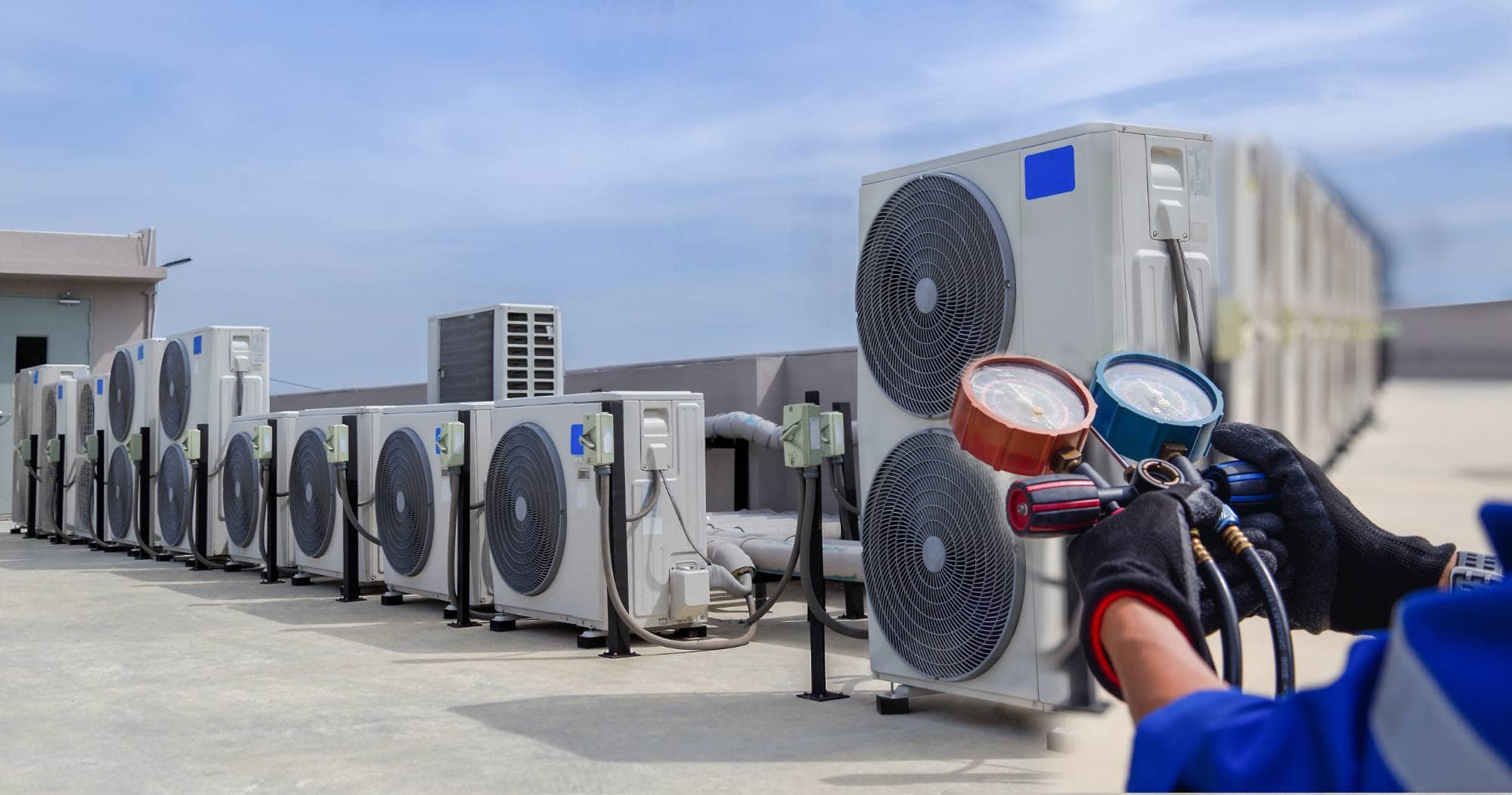
Ready to get started?
Professional HVAC work in Stanford means dealing with specific local challenges. Air quality concerns from wildfire smoke and Bay Area pollution require attention to filtration and ventilation systems, not just temperature control. We evaluate and upgrade indoor air quality components as part of comprehensive service.
System efficiency matters more now than ever, with California’s energy costs and environmental regulations both pushing toward high-efficiency equipment. Heat pumps now dominate new installations—they represented 69% of the market in 2024—because they deliver both heating and cooling efficiently. If your system’s over 10-15 years old, replacement often makes more financial sense than continued repairs, especially with federal tax credits covering up to 30% of qualifying high-efficiency system costs.
For Stanford’s mix of older homes and modern construction, ductless mini-split systems solve problems traditional HVAC can’t—like adding climate control to room additions, managing temperature in spaces with limited ductwork, or creating zone control in homes where one thermostat can’t handle multiple floors or exposures.
We also handle the less glamorous but critical work: refrigerant issues (especially for older systems using phased-out refrigerants), ductwork repairs that stop conditioned air from leaking into attics and crawlspaces, and thermostat upgrades that give you actual control over when and how your system runs.
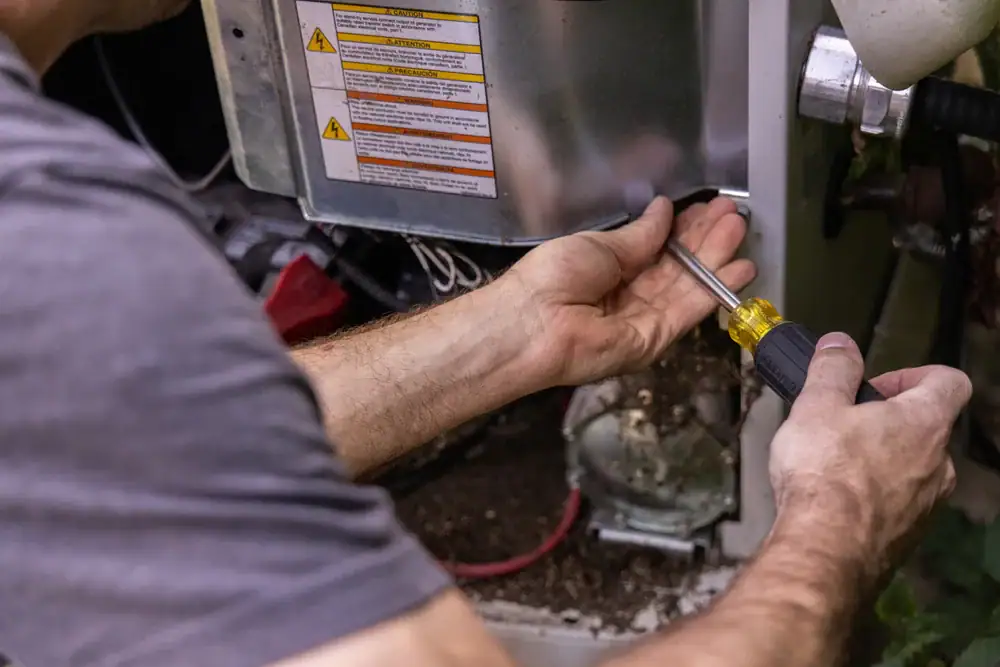
If your system’s under 10 years old and this is the first major issue, repair usually makes sense. The math changes when you’re looking at a system that’s 15+ years old with multiple breakdowns or one major repair that costs more than half what a new system would run.
Here’s what tips the scale toward replacement: your energy bills keep climbing even with repairs, you’re fixing something different every year, or the system uses R-22 refrigerant that’s been phased out and costs a fortune to refill. Older systems also operate far less efficiently than current models—you might cut your heating and cooling costs by 20-30% with a high-efficiency replacement.
The federal tax credit situation matters too. Right now, you can claim 30% of the cost of qualifying high-efficiency systems, capped at $2,000 annually. That credit makes replacement more affordable than it’s been in years. If you’re on the fence, we’ll walk through the actual numbers—repair costs versus replacement costs versus energy savings—so you can make the call based on real data, not pressure.
Uneven temperatures usually come down to airflow problems, ductwork issues, or a system that’s not properly sized or zoned for your home’s layout. Stanford’s mix of housing types—from older single-family homes to modern multi-story units—each create different challenges.
Blocked or dirty vents restrict airflow to specific rooms. Leaky ductwork loses conditioned air before it reaches certain spaces, especially if ducts run through unconditioned attics or crawlspaces. Inadequate insulation in walls or ceilings lets heat transfer in or out faster than your system can compensate. Sometimes it’s as simple as closed doors blocking return air pathways.
For homes where one area gets too hot while another stays cold, ductless mini-split systems or zone control setups solve the problem better than trying to force a single-zone system to do something it wasn’t designed for. We’ll evaluate your specific situation—looking at duct condition, airflow balance, and whether your current system has the capacity to handle your home’s actual needs—and recommend fixes that address the cause, not just the symptom.
Twice a year—once before cooling season, once before heating season. Stanford’s mild climate might make it tempting to skip maintenance, but that’s actually when small issues turn into expensive failures.
Spring maintenance prepares your AC for summer: cleaning coils, checking refrigerant levels, testing electrical components, replacing filters, and verifying the system’s cooling capacity before you actually need it. Fall maintenance does the same for your heating system: inspecting the heat exchanger, testing ignition systems, checking for gas leaks if you have a furnace, and ensuring everything’s ready for cooler months.
Regular maintenance catches problems early—a small refrigerant leak costs $200 to fix now versus $1,500 when it damages the compressor later. It also keeps your system running efficiently, which directly impacts your energy bills. Dirty coils and clogged filters force your system to work harder, using more electricity to deliver less cooling or heating. Finally, most manufacturers require documented annual maintenance to keep warranties valid. Skip it, and you might void coverage right when you need it most.
Stanford deals with seasonal wildfire smoke, Bay Area urban pollution, and typical indoor air quality concerns like dust, allergens, and humidity. Improving your HVAC system’s filtration and ventilation makes a measurable difference.
Upgrading to HEPA filtration or high-MERV rated filters captures smaller particles—including smoke particulates and pollen—that standard filters miss. UV light systems installed in ductwork kill mold, bacteria, and viruses as air circulates through your system. Whole-home air purifiers with activated carbon filters remove odors and chemical pollutants that filtration alone can’t handle.
Proper ventilation matters too. Homes built or renovated to be more energy-efficient often seal so tightly that indoor air gets stale and pollutants concentrate. Energy recovery ventilators (ERVs) bring in fresh outdoor air while exhausting stale indoor air, and they do it without wasting the energy you spent heating or cooling that air. During wildfire season, you can adjust ventilation to recirculate indoor air instead of pulling in smoky outdoor air.
Humidity control rounds out the picture. Whole-home dehumidifiers prevent mold growth and that stuffy feeling that makes breathing harder. These aren’t luxury additions—they’re practical improvements that address real air quality problems common in this area.
First, check your thermostat batteries and settings, verify your circuit breaker hasn’t tripped, and make sure your air filter isn’t completely clogged—those solve about 20% of “emergency” calls without needing a technician. If those don’t fix it, you need professional help.
For heating failures in cold weather, dress in layers and close off rooms you’re not using to concentrate warmth. If you have a fireplace, use it safely. Don’t use your oven or stovetop to heat your home—it’s dangerous and inefficient. For cooling failures during heat waves, close blinds and curtains to block solar heat gain, use fans to circulate air, and stay hydrated.
We offer emergency HVAC services because we know some situations can’t wait until Monday morning. When you call, we’ll troubleshoot what we can over the phone and get someone out as quickly as possible if you need immediate service. Keep in mind that emergency calls during extreme weather often mean higher demand—the same heat wave or cold snap that broke your system affected others too. That’s why we recommend scheduling maintenance before peak seasons rather than waiting for failure. Prevention’s cheaper and less stressful than emergency repairs when you’re already uncomfortable.
Repair costs typically run $150-$600 depending on what’s broken and what parts are needed. Simple fixes like replacing a capacitor or cleaning a clogged condensate drain cost less. Compressor or heat exchanger replacements cost more because the parts themselves are expensive and labor-intensive to install.
Full system replacement for a typical Stanford home ranges from $5,000-$15,000 depending on system size, efficiency rating, and installation complexity. Higher-efficiency systems cost more upfront but save money monthly through lower energy bills. Ductless mini-split systems run $3,000-$10,000 depending on how many zones you’re conditioning.
Maintenance agreements usually cost $150-$300 annually and include two service visits plus priority scheduling and discounts on repairs. They pay for themselves if you need even one repair during the year. We offer 15% discounts for seniors and military families, and current federal tax credits cover 30% of qualifying high-efficiency system costs up to $2,000.
The real cost question isn’t just the price tag—it’s what you get for that money. Cheap service often means rushed diagnostics, parts that fail quickly, or technicians who don’t actually fix the underlying problem. We provide free estimates so you know exactly what you’re paying for before any work starts, and we explain why specific repairs or replacements make sense for your situation. No surprises, no pressure, just clear information so you can make the right call for your home and budget.
Get Your Free HVAC Quote Today
Contact our friendly team today for a free estimate and experience the difference.
Company
Support
Useful Links