
Hear from Our Customers
Your roof stops leaking. Your energy bills drop because the attic isn’t bleeding heat or cold air. You’re not worried every time the forecast calls for wind or rain.
That’s what happens when a roofing contractor in Lawrence, CA actually does the work correctly. You’re not dealing with callbacks, patch jobs, or wondering if the crew cut corners. The materials are rated for California weather—fire resistance, impact protection, and energy efficiency that meets Title 24 standards.
You also get transparency. No hidden fees that show up halfway through the project. No vague timelines that stretch for weeks. Just a clear scope of work, a realistic completion date, and a team that respects your property while they’re on it.
All Fresh Temp has been serving California homeowners and businesses for nearly four decades. We’re licensed, insured, and we know what California building codes require—especially in areas where fire ratings and energy standards aren’t optional.
Lawrence, CA sits in a climate where your roof takes a beating from sun exposure, occasional storms, and wildfire risk. We’ve seen what happens when contractors use subpar materials or skip proper ventilation. It costs you more in the long run.
We’re not the cheapest option, and that’s intentional. You’re paying for materials that last, installers who know what they’re doing, and a company that’ll still be here if something needs attention down the road.
First, we inspect your current roof. Not a quick glance from the driveway—an actual assessment of the decking, flashing, ventilation, and any underlying issues that’ll cause problems if ignored. You get a written estimate that breaks down materials, labor, and timeline.
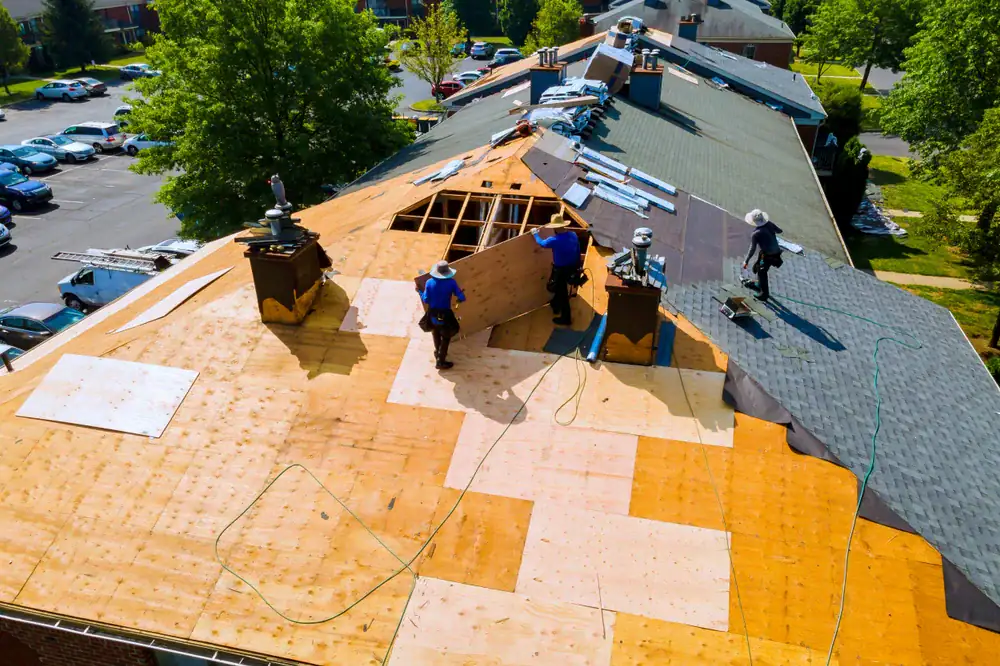
Once you approve the scope, we schedule the work and order materials. Before our crew arrives, we map out where equipment goes so we’re not tearing up your landscaping or blocking your driveway for longer than necessary. On day one, the old roof comes off and we inspect the decking for rot or damage.
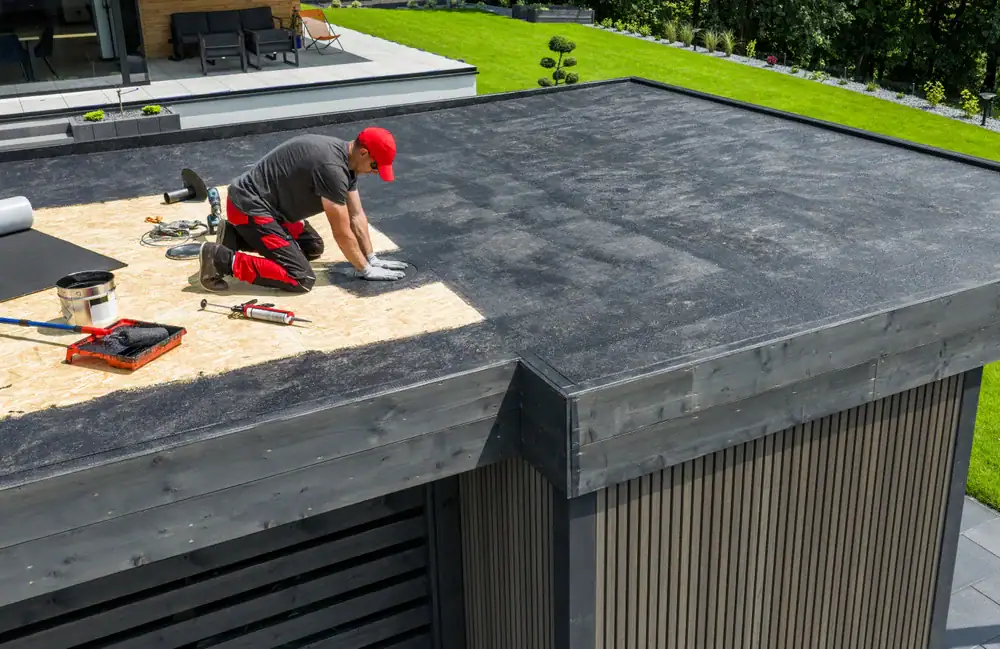
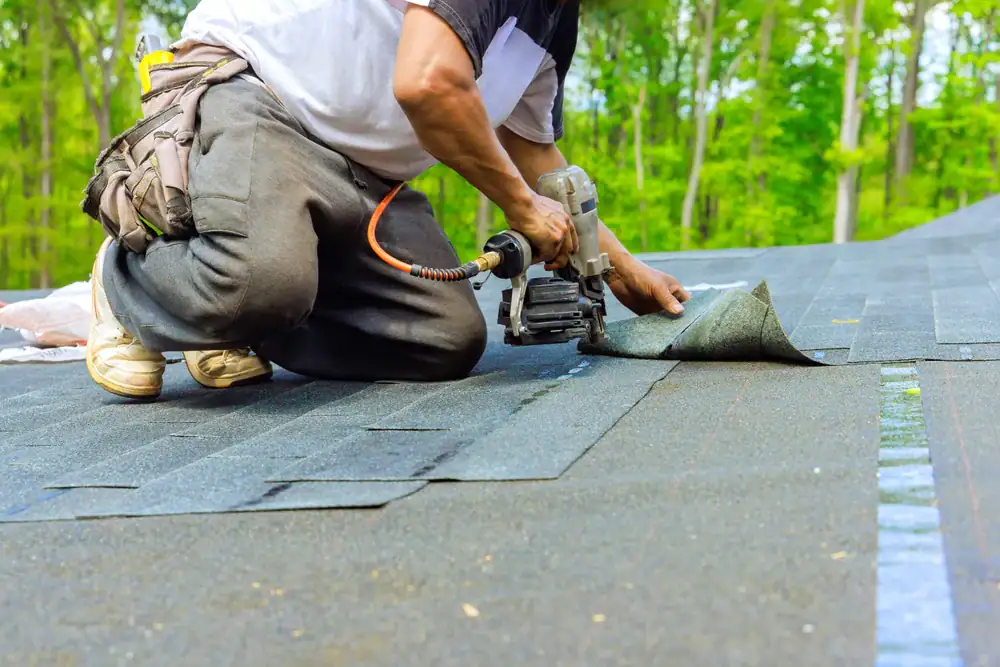
Then we install underlayment, flashing, and your new roofing material—whether that’s asphalt shingles, metal, tile, or TPO for flat sections. Every penetration gets sealed correctly. Ventilation gets checked. At the end of each day, we clean up debris so your property isn’t a hazard. When the job’s done, we walk the site with you and make sure you’re clear on your warranty coverage.
Ready to get started?
You’re getting materials that meet California’s Title 24 energy standards and fire safety requirements. In Lawrence, CA, that means cool roof options that reflect heat and reduce your cooling costs. It also means Class A fire ratings if you’re in a wildfire-prone zone.
You’re also getting proper installation. That includes ice and water shield in valleys, drip edge along eaves, and ridge venting that actually moves air through your attic. A lot of roofing contractors in Lawrence, CA skip these details to save time. You’ll pay for it later when your roof fails early or your energy bills stay high.
We also protect your property during the job. Tarps go down to catch debris. Magnetic rollers pick up nails. If we damage something, we fix it—not argue about whose fault it was. And you get a dedicated contact who answers when you call, not a voicemail that goes unreturned for three days.
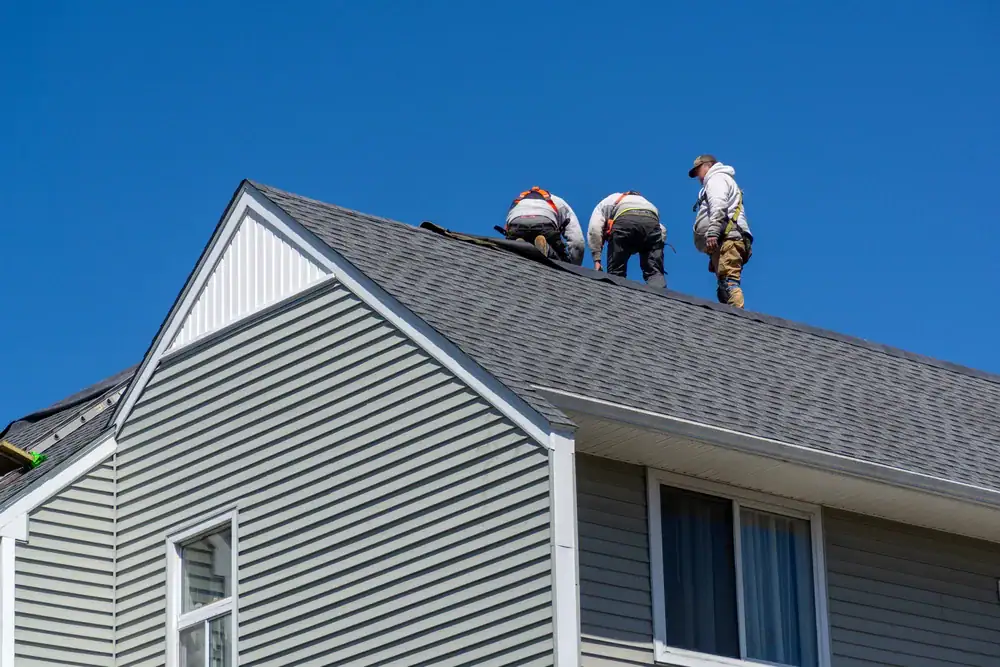
Most residential roof replacements take two to four days, depending on the size of your home, the complexity of the roof design, and weather conditions. A straightforward single-story home with a simple gable roof usually wraps up in two days. If you’ve got multiple levels, valleys, skylights, or a tile roof, expect closer to four days.
Weather delays happen. If rain’s in the forecast, we’re not tearing off your roof and leaving it exposed. We’ll reschedule rather than risk water damage to your decking or interior. That’s not us being difficult—it’s protecting your home.
We build buffer time into our estimates so you’re not caught off guard. If we say four days and finish in three, great. If unforeseen issues like rotted decking show up, we’ll walk you through what needs fixing and how it affects the timeline before we proceed.
Asphalt shingles are the most common and cost-effective option for California homes. Look for Class 4 impact-resistant shingles if hail is a concern, and lighter colors or cool roof-rated products to reflect heat and lower cooling costs. They typically last 20 to 25 years with proper installation and maintenance.
Metal roofing is gaining traction because it’s fire-resistant, energy-efficient, and lasts 40 to 50 years. It costs more upfront, but you’re not replacing it in 20 years. Tile roofing—concrete or clay—is another durable option that handles heat well and meets fire codes, though it’s heavier and requires adequate structural support.
For flat or low-slope sections, TPO or modified bitumen membranes work well in California’s sun exposure. They’re reflective, durable, and meet Title 24 energy requirements. The right material depends on your budget, your home’s structure, and what building codes require in your area. We’ll walk through your options during the estimate so you’re clear on what you’re getting.
In California, roofing contractors must hold a C-39 Roofing Contractor license issued by the Contractors State License Board. You can verify a license online at cslb.ca.gov by entering the contractor’s name or license number. Check that the license is active, not expired or suspended, and look for any complaints or disciplinary actions on file.
Insurance is just as important. A legitimate roofer in Lawrence, CA carries general liability insurance and workers’ compensation coverage. General liability protects you if your property gets damaged during the job. Workers’ comp covers medical costs if a crew member gets injured on your property. Ask for certificates of insurance and verify them directly with the insurance company if you want to be thorough.
If a contractor hesitates to provide proof of licensing or insurance, walk away. You’re not being difficult—you’re protecting yourself from liability and ensuring the person working on your home is qualified. Unlicensed contractors are cheaper for a reason, and it’s not a reason that benefits you.
Hidden damage is the most common reason. Once the old roof comes off, we might find rotted decking, damaged trusses, or inadequate ventilation that wasn’t visible during the initial inspection. If your decking is compromised, it has to be replaced before we install the new roof. That’s not an upsell—it’s a structural necessity.
Code upgrades can also add cost. If your home was built before current building codes were updated, bringing your roof up to code might require additional flashing, ventilation, or fire-resistant materials. We’ll identify these requirements during the estimate when possible, but sometimes they only become apparent once work begins.
Material price increases are another factor, though less common mid-project. Supply chain issues have caused significant fluctuations in roofing material costs over the past few years. We lock in material pricing when we order, so you’re not hit with surprise increases. If unforeseen costs come up, we’ll explain exactly what’s needed, why it’s needed, and what it costs before proceeding.
You should have your roof inspected at least once every three years, and after any major weather event—heavy storms, high winds, or hail. California’s sun exposure breaks down roofing materials faster than in cooler climates, so regular inspections catch small issues before they become expensive problems.
If your roof is over 15 years old, inspect it annually. Asphalt shingles start showing their age around this point—curling edges, missing granules, cracked shingles. Catching these early means a repair instead of a full replacement. If you’re in a wildfire-prone area, inspections should also check for ember-resistant vulnerabilities like gaps in flashing or damaged vents.
Don’t skip inspections just because you don’t see obvious leaks. By the time water stains show up on your ceiling, the damage to your decking and insulation is already significant. A professional inspection costs a few hundred dollars and can save you thousands in avoided repairs. We’ll give you a written report of what we find and what needs attention, if anything.
A roof repair addresses specific damage—replacing a few missing shingles, resealing flashing around a chimney, or fixing a small leak. Repairs make sense when the damage is localized and the rest of your roof is in decent shape. They’re faster and cheaper than a full replacement, and they can extend your roof’s life by a few years if done correctly.
A roof replacement means tearing off the old roof down to the decking and installing a completely new system. You need a replacement when your roof is near the end of its lifespan, when damage is widespread, or when repairs are becoming frequent and costly. If you’re patching leaks every year, you’re throwing money away—replacement is the smarter move.
The decision comes down to age and condition. If your roof is under 10 years old and damage is isolated, repair it. If it’s over 20 years old or more than 30% of the roof needs work, replace it. We’ll give you an honest assessment during the inspection. If a repair will hold up, we’ll tell you. If you’re better off replacing, we’ll explain why.
Other Services we provide in Lawrence
Get Your Free HVAC Quote Today
Contact our friendly team today for a free estimate and experience the difference.
Company
Support
Useful Links