
Hear from Our Customers
Your roof stops being something you worry about. No more wondering if that next storm will find a weak spot. No more checking the attic after heavy rain.
A proper residential roof installation in Milpitas, CA means your home can handle the 100-degree summers without turning your cooling bills into a second mortgage. It means meeting California’s seismic codes so your structure holds when the ground moves. It means fire-resistant materials that give you actual protection during wildfire season, not just a false sense of security.
You’re looking at decades of performance, not just a few years before problems start showing up. The installation matters more than the shingles themselves. Poor installation on premium materials still fails. Quality installation on good materials actually lasts.
That’s the difference between a roof and a liability.
We’ve served Santa Clara County for nearly four decades. We started with HVAC because homes in Milpitas need systems that work in extreme heat. Roofing is the natural extension of that—your roof affects your energy costs more than most people realize.
We’re family-owned, which means we’re not flipping houses or chasing the next development. We’re the roofing contractor in Milpitas, CA that’s still here when you need warranty work or have questions five years later.
We know what Milpitas homes deal with. The sun exposure that degrades cheap shingles in half the time. The seismic requirements that aren’t optional. The wildfire risk that makes material choice critical, not cosmetic.
We start with an inspection that finds problems you can’t see from the ground. Weak decking, inadequate ventilation, flashing that’s already compromised. You get a written assessment that explains what needs fixing and why, not just a number.
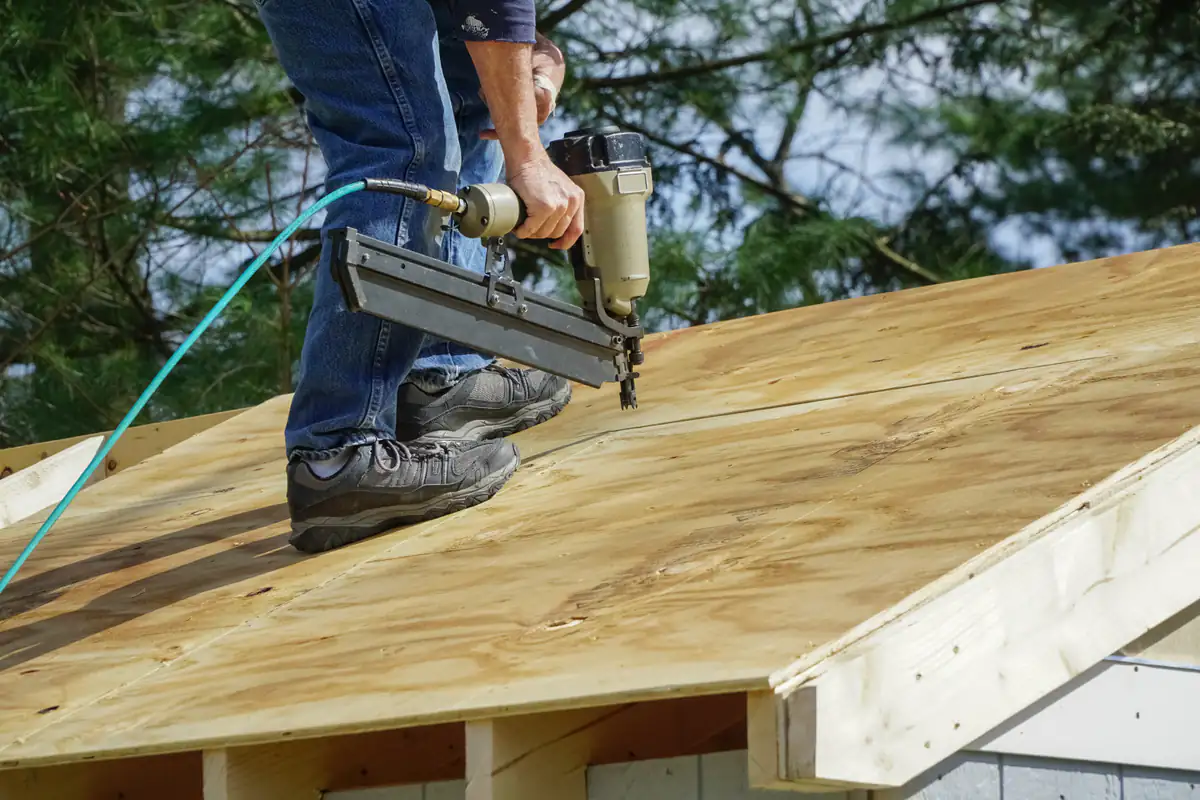
Once you approve the scope, we handle permits and schedule the work around your life, not ours. Demo and tear-off happen fast—usually same day—because an open roof is a liability. We protect your landscaping, your vehicles, and your property. Debris goes into a dumpster, not your yard.
Installation follows California Title 24 standards and seismic code requirements. That’s not optional in Milpitas. Underlayment, flashing, ventilation, and shingle placement all matter. Shortcuts here cost you thousands later.
We inspect our own work before you pay a final dollar. You get documentation for your insurance, warranties on materials and labor, and a roof that’s actually built to last in this climate.
Ready to get started?
Roof installation cost in Milpitas, CA runs higher than other areas because of code requirements and material standards. You’re looking at $10,000 to $30,000 depending on size, pitch, and material choice. That’s not markup—that’s reality when you’re building to earthquake and fire standards.
You’re getting complete tear-off and disposal, not a patch job. New underlayment rated for our climate. Flashing around every penetration—chimneys, vents, skylights. Proper ventilation so your attic doesn’t turn into an oven. Materials that meet California’s fire rating requirements.
Commercial roof installation in Milpitas, CA involves additional considerations. Flat or low-slope roofs need different waterproofing. Larger square footage means more complex logistics. Building codes for commercial properties are stricter.
The investment protects a median home value over $1.4 million in Milpitas. Roof failure doesn’t just mean repair costs. It means water damage, mold remediation, displaced families, and insurance nightmares. Spending $15,000 now beats spending $50,000 later on emergency repairs plus interior damage.

Most residential roof installations in Milpitas, CA take two to four days from start to finish. Single-story homes with simple rooflines and good weather can be done in two days. Two-story homes, complex layouts with multiple valleys and peaks, or tile roofing can push that to four or five days.
Weather delays happen. We don’t install during rain, and we don’t leave your home exposed overnight. If weather interrupts the job, we secure everything with tarps and resume when conditions allow.
The timeline includes tear-off, inspection of the decking, any necessary repairs, installation of underlayment and flashing, shingle or tile placement, cleanup, and final inspection. Rushing this process creates problems. Taking an extra day to do it right beats coming back in two years to fix leaks.
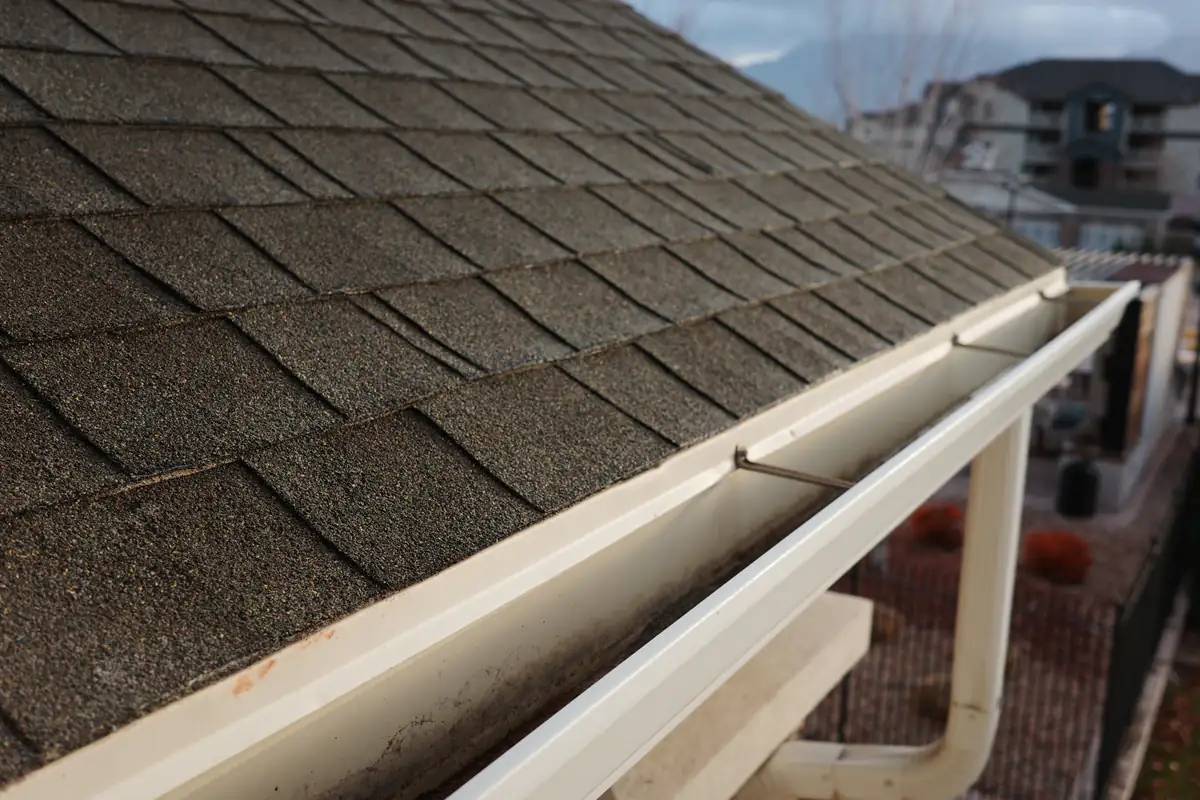
Asphalt composition shingles are the most common choice in Milpitas because they balance cost, durability, and fire resistance. Architectural shingles rated for high wind and impact resistance handle our occasional storms. They’re lighter than tile, which matters for seismic performance.
Metal roofing is gaining popularity for energy efficiency. Reflective metal roofs reduce cooling costs in our brutal summers. They’re also fire-resistant and lightweight. The upfront cost runs higher, but the lifespan is 40-plus years versus 20-25 for asphalt.
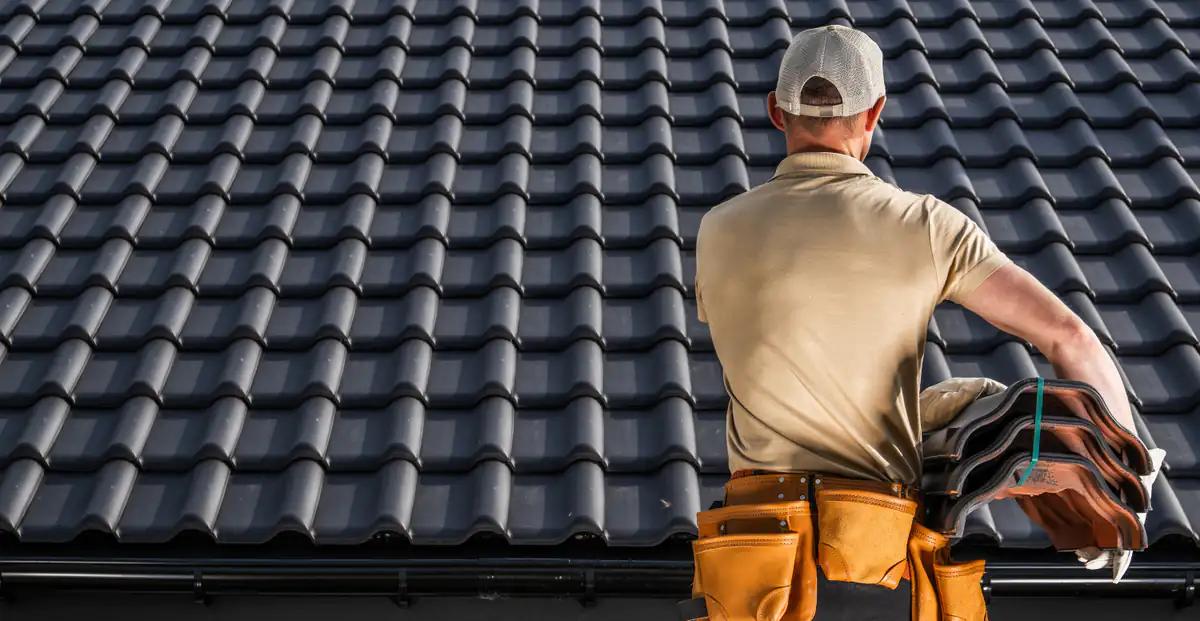
Concrete or clay tile looks great and lasts forever, but the weight requires structural evaluation. Older homes in Milpitas weren’t always built to carry tile loads, especially under seismic stress. If your framing supports it, tile offers excellent fire protection and energy performance.
Avoid cheap three-tab shingles. They degrade fast under UV exposure and don’t meet fire ratings for wildfire-prone areas. The money you save upfront disappears in early replacement costs.
Yes. Any roof replacement or re-roofing in Milpitas requires a building permit from the city. This isn’t optional, and contractors who tell you otherwise are setting you up for problems.
The permit process ensures your roof meets California building codes, Title 24 energy standards, and local seismic requirements. Inspectors verify proper installation, adequate ventilation, and correct flashing. This protects you—unpermitted work can void your insurance, kill your home sale, and leave you liable for code violations.
We handle the permit application, scheduling inspections, and ensuring the work passes. You don’t need to visit City Hall or deal with paperwork. The permit cost is typically a few hundred dollars, factored into your total project estimate.
Skipping permits to save money is a terrible idea. When you sell your home, unpermitted work shows up. Buyers walk away or demand price reductions that dwarf what you “saved” by avoiding the permit.
If your roof is over 20 years old and showing multiple problem areas, replacement usually makes more sense than repairs. Patching a few shingles is one thing. Patching leaks in three different spots means the whole system is failing.
Look for curling or missing shingles, granule loss that exposes the asphalt underneath, or daylight visible through the attic. Check for water stains on your ceiling or in the attic—those mean active leaks. Sagging sections indicate structural problems that repairs won’t fix.
Storm damage is tricky. What looks like a few damaged shingles might hide widespread issues underneath. Insurance companies often cover full replacement if damage is extensive enough, but you need proper documentation and assessment.
We’ll give you an honest evaluation. If repairs buy you five more years and you’re planning to sell, we’ll tell you. If the roof is done and patches are just delaying the inevitable, we’ll tell you that too. You make the call based on real information, not a sales pitch.
Yes, if it’s installed correctly with proper ventilation and energy-efficient materials. Milpitas faces extreme heat—89% of properties are at major risk for heat exposure over the next 30 years. Your roof absorbs that heat and radiates it into your attic, which makes your AC work harder.
Cool roof technology uses reflective shingles or coatings that bounce back solar heat instead of absorbing it. This can reduce surface temperature by 50 degrees or more. Lower attic temperatures mean less heat transfer into your living space, which translates to lower cooling costs.
Proper ventilation matters just as much as materials. Ridge vents, soffit vents, and adequate airflow prevent heat buildup. Without ventilation, even the best shingles won’t help your energy bills.
Title 24 compliance in California requires certain energy standards for roof replacements. We build to those standards automatically, but you can go beyond minimum requirements with upgraded materials. The upfront cost difference is usually a few thousand dollars. The payback period depends on your cooling costs, but most homeowners see noticeable reductions in summer bills.
Our workmanship warranty covers installation defects. If a leak develops because of improper flashing, inadequate sealing, or installation error, we fix it at no cost to you. Material defects are covered by the manufacturer’s warranty, which we help you navigate and file if needed.
Storm damage from wind, hail, or falling debris is an insurance claim, not a warranty issue. We can inspect the damage, document it for your insurance company, and handle repairs once the claim is approved. New roofs are more likely to survive storms intact, but nothing is indestructible.
The key is reporting problems immediately. Small leaks become big problems fast in Milpitas when winter rains hit. Water damage compounds daily. If you see a stain, feel a drip, or notice anything off, call us. We’ll come out, assess it, and determine whether it’s warranty work, insurance work, or something else.
We’ve been in Santa Clara County since 1985. We’re not disappearing after the job is done. You have our number, and we answer when you call.
Other Services we provide in Milpitas