
Hear from Our Customers
You’re not looking for a roofer because everything’s going great. Something’s leaking, damaged, or you’re staring at a roof that’s seen better decades. Maybe you got hit by one of those winter storms that rolls through San Jose, or you’re worried about the next wildfire season.
Here’s what changes when we’re done. Your roof stops being a problem you think about. No more buckets in the attic, no more wondering if that dark spot on the ceiling is getting bigger, no more panic when the weather forecast shows rain.
You get a roof built for California’s actual climate—the UV exposure that cracks cheaper shingles in fifteen years, the wind that lifts edges during storms, the ember exposure during fire season. We’re talking about materials rated for what actually happens here in Lick, not what works in Ohio. And if you’re replacing more than half your roof surface, we handle the Title 24 compliance requirements so you don’t have to figure out Cool Roof standards on your own.
The work gets done without destroying your lawn, without debris sitting in your driveway for weeks, and without you having to chase us down for updates.
We’ve been handling home services in Santa Clara County since 1985. We started in HVAC, which means we already know your neighborhood, we’ve probably worked on homes near yours, and we understand how roofing and ventilation work together in these newer Lick developments.
Being family-owned matters here because when something goes wrong, you’re talking to the same people who run the business. No call center, no franchise runaround. We’re local roofing contractors who’ve built a reputation over forty years, and we’re not about to wreck it by cutting corners on your roof.
Lick’s housing stock is newer than most Bay Area neighborhoods—homes built from 2000 onward with modern codes and expectations. You’re not dealing with a 1950s fixer. You need someone who understands current California building standards, Title 24 energy requirements, and how to work on the kind of construction that defines this area.
We start with a free estimate at your property. Not a phone quote, not a satellite image guess—an actual inspection where we look at what’s damaged, what’s salvageable, and what you’re dealing with underneath the surface layer.
You get a written breakdown of the work, the materials we’re using, and what it costs. If there’s storm damage, we document everything you’ll need for insurance. If you’re replacing the roof, we explain which materials make sense for Lick’s climate and which ones are overkill.
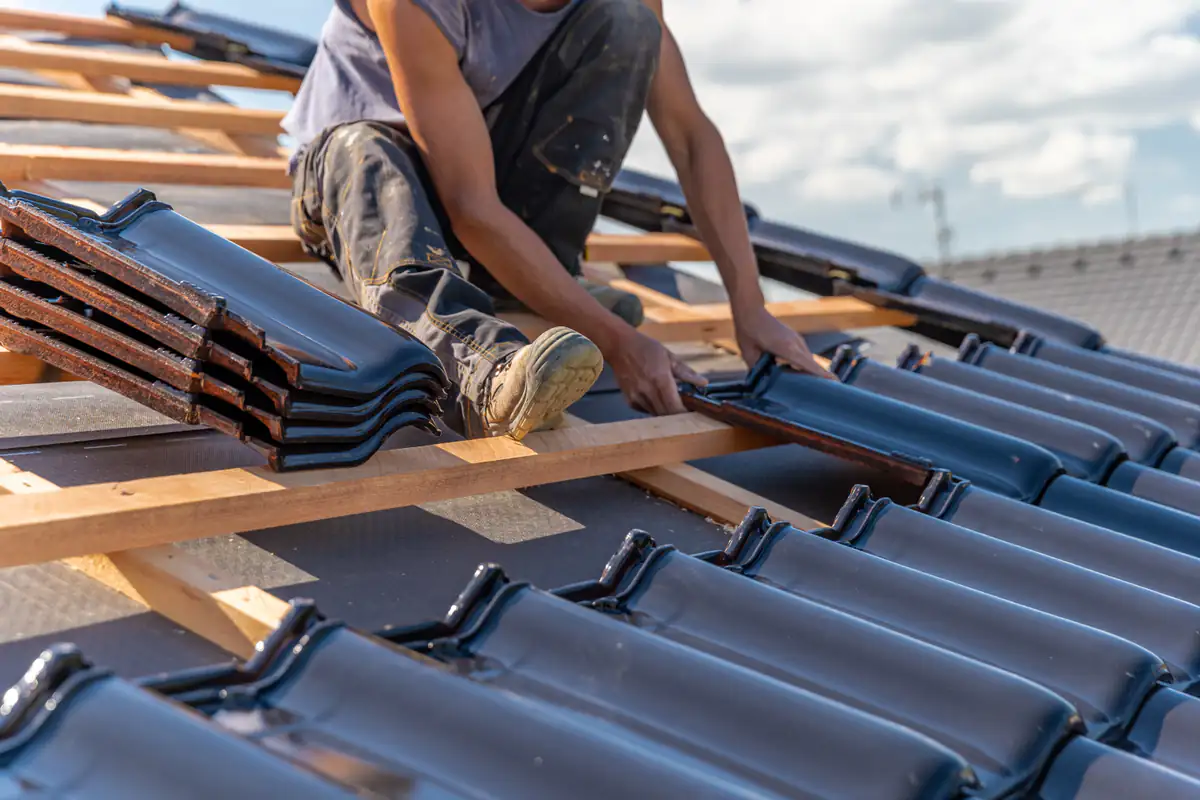
Once you approve the estimate, we schedule the work around your life, not ours. The tear-off happens fast—usually one day for most residential roofs. We protect your property during the process, manage the dumpster placement to avoid tearing up your landscaping, and keep the site cleaner than most roofing contractors bother with.
Installation follows California building codes and manufacturer specs. We’re not inventing new techniques or cutting corners to save twenty minutes. Flashing, underlayment, ventilation—it all gets done to the standard that keeps your roof intact during the next big storm.
Final inspection happens with you there. We walk the property, check for any stray nails or debris, and make sure you understand your warranty coverage before we consider the job finished.
Ready to get started?
You’re getting a licensed, insured roofing contractor who pulls the proper permits and handles inspections. That’s not optional in California, and you don’t want to be the homeowner who finds out their roof work wasn’t permitted when they try to sell.
Materials matter in Lick because you’re in an area where new construction dominates and property values hold steady around $530,835. We’re using roofing products rated for California’s fire zones—Class A fire-rated materials that give you a fighting chance during ember storms. If you’re in a higher-risk area, we talk through metal roofing options that insurance companies actually care about.
Energy efficiency is built into the process, not added as an upsell. California’s Title 24 requirements mean certain roof replacements need Cool Roof compliance. We handle that as part of the standard job because it’s the law, and because it actually reduces your cooling costs during San Jose’s summer heat.
Storm damage response is part of what we do. When winter storms roll through and you’ve got water coming in, we’re available for emergency repairs. Tarping, temporary fixes, and fast permanent solutions—because waiting three weeks for a roofer when your ceiling’s leaking isn’t reasonable.
You also get transparent communication throughout the process. No disappearing for days, no surprise costs, no “we found something else wrong” upsells unless there’s actual structural damage we can show you.
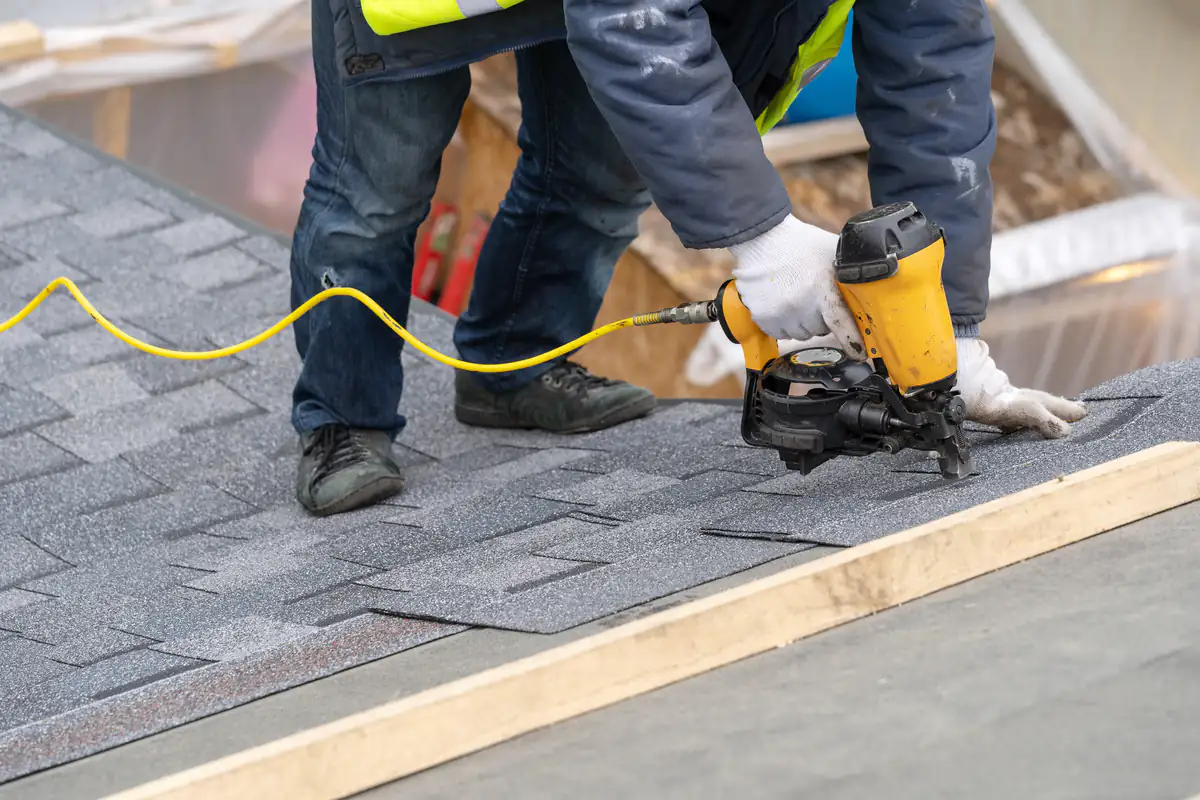
Most residential roof replacements in Lick run between $8,000 and $25,000 depending on size, pitch, material choice, and how much underlying damage we find during tear-off. That’s a wide range because a 1,200 square foot single-story home with standard composition shingles costs a lot less than a 2,500 square foot two-story with a complex roofline and upgraded materials.
Asphalt composition shingles are the most common choice and the most affordable. They last 20-25 years in California’s climate if installed correctly. Metal roofing costs more upfront—sometimes double—but lasts 40-50 years and gives you better fire resistance, which matters in this area.
The price includes tear-off, disposal, new underlayment, installation, flashing, ventilation work, and cleanup. If you need Title 24 compliance for Cool Roof standards, that’s built into material selection, not added as a separate charge. We give you a written estimate before any work starts, and that number doesn’t change unless we uncover structural damage that wasn’t visible from the surface.
Most residential roof replacements in Lick take two to four days from start to finish. Day one is usually tear-off and underlayment. Day two is installation. Days three and four depend on your roof’s size, complexity, and weather.
If we hit rain in the forecast, we pause rather than rush through installation in wet conditions. Roofing materials need dry surfaces to seal properly, and we’re not going to compromise your roof’s lifespan to save half a day of scheduling.
Complex rooflines with multiple valleys, chimneys, skylights, or steep pitches take longer. A simple gable roof on a ranch-style home goes faster than a multi-level house with a dozen different planes and angles. We’ll give you a realistic timeline during the estimate based on your actual roof, not an average.
Emergency repairs happen the same day when possible, especially if you’re dealing with active leaks. Tarping and temporary weatherproofing can usually be done within hours of your call. Permanent repairs get scheduled as quickly as our crew availability allows, typically within a few days unless we’re slammed after a major storm.
Yes. Any roof replacement or major repair in Lick requires a building permit through San Jose’s building department since Lick falls within San Jose city limits. This isn’t optional, and it’s not something you want to skip.
Permits exist to make sure the work meets California building codes and local fire safety requirements. When you sell your home, unpermitted roof work becomes a disclosure issue that can kill deals or force you to rip off a perfectly good roof and start over with proper permits.
We handle the permit process as part of our service. That includes submitting plans, scheduling inspections, and making sure everything passes. The permit cost is separate from our labor and materials, but we build it into your total estimate so there are no surprises.
Minor repairs—replacing a few shingles, fixing a small leak, basic maintenance—usually don’t require permits. But if we’re tearing off your old roof and installing a new one, or if we’re replacing more than 50% of the roof surface, permits are mandatory. We’ll tell you exactly what’s required during your estimate so you know what you’re dealing with upfront.
Class A fire-rated materials are what you want in Lick and throughout the San Jose area. That includes most asphalt composition shingles, tile, slate, and metal roofing. These materials have been tested against ember exposure and flame spread, and they’re designed to resist ignition during wildfire conditions.
Metal roofing is becoming more popular in California specifically because of fire risk. Standing seam metal roofs are non-combustible, last decades longer than shingles, and give you the highest level of fire protection available. They cost more upfront, but insurance companies sometimes offer discounts for Class A metal roofs in fire-prone zones.
Asphalt shingles with a Class A rating are the most common and most affordable option. They’re not as fire-resistant as metal, but they meet California’s requirements and perform well as long as they’re properly maintained. The key is making sure your underlayment, flashing, and ventilation are also installed to fire-safe standards—because embers find gaps, not just surface materials.
Avoid wood shakes unless they’re treated with fire retardant, and even then, they’re not ideal for this area. California has strict regulations about combustible roofing materials, and many jurisdictions have banned untreated wood shakes entirely. We’ll recommend materials based on your specific location, budget, and risk level during the estimate.
Most storm damage isn’t obvious from the ground. You’re looking for missing or lifted shingles, dented flashing, granule loss in your gutters, or water stains on your ceiling. But the real damage often happens underneath—cracked underlayment, loosened nails, compromised seals around vents and chimneys.
After a major storm with high winds or hail, get your roof inspected even if you don’t see visible damage. Wind can lift shingle edges without tearing them off completely, which creates entry points for water during the next rain. Hail damage shows up as dents or cracks that might not leak immediately but shorten your roof’s lifespan significantly.
We do free storm damage inspections and document everything with photos. If you’re filing an insurance claim, you need that documentation before repairs start. Insurance adjusters want to see proof of storm-related damage, not pre-existing wear, and we know how to present that information in a way that supports your claim.
Don’t wait months to get an inspection. Storm damage gets worse over time, and insurance companies can deny claims if too much time passes between the storm and your report. We’ve seen homeowners lose coverage because they waited until a small leak became a big problem, and by then, the insurance company argues it’s maintenance failure, not storm damage.
We’ve been serving San Jose and Santa Clara County since 1985, which means we’ve handled roofing in every type of weather condition, housing style, and emergency situation this area throws at contractors. Forty years in business means we’re doing something right, and it’s not by disappearing after the deposit clears.
You’re working with a family-owned company, not a franchise or a crew that subcontracts to the lowest bidder. When you call, you’re talking to people who actually run the business and care about the reputation we’ve built over four decades. That matters when something goes wrong or you need a callback six months later.
We’re licensed and insured to California’s standards, we pull proper permits, and we handle Title 24 compliance as part of the standard process. You’re not getting shortcuts or code violations that become your problem during a home sale. The work gets done right because we’re not interested in comebacks or complaints.
Our pricing is transparent. You get a written estimate that breaks down labor, materials, and costs before we start. No surprise charges, no “we found extra damage” upsells unless we can show you the actual problem. And we offer free estimates, so you know exactly what you’re dealing with before you commit to anything.
Other Services we provide in Lick