
Hear from Our Customers
Your roof stops leaking. Your insurance company stays happy. Your energy bills drop because the attic isn’t hitting 150 degrees every summer.
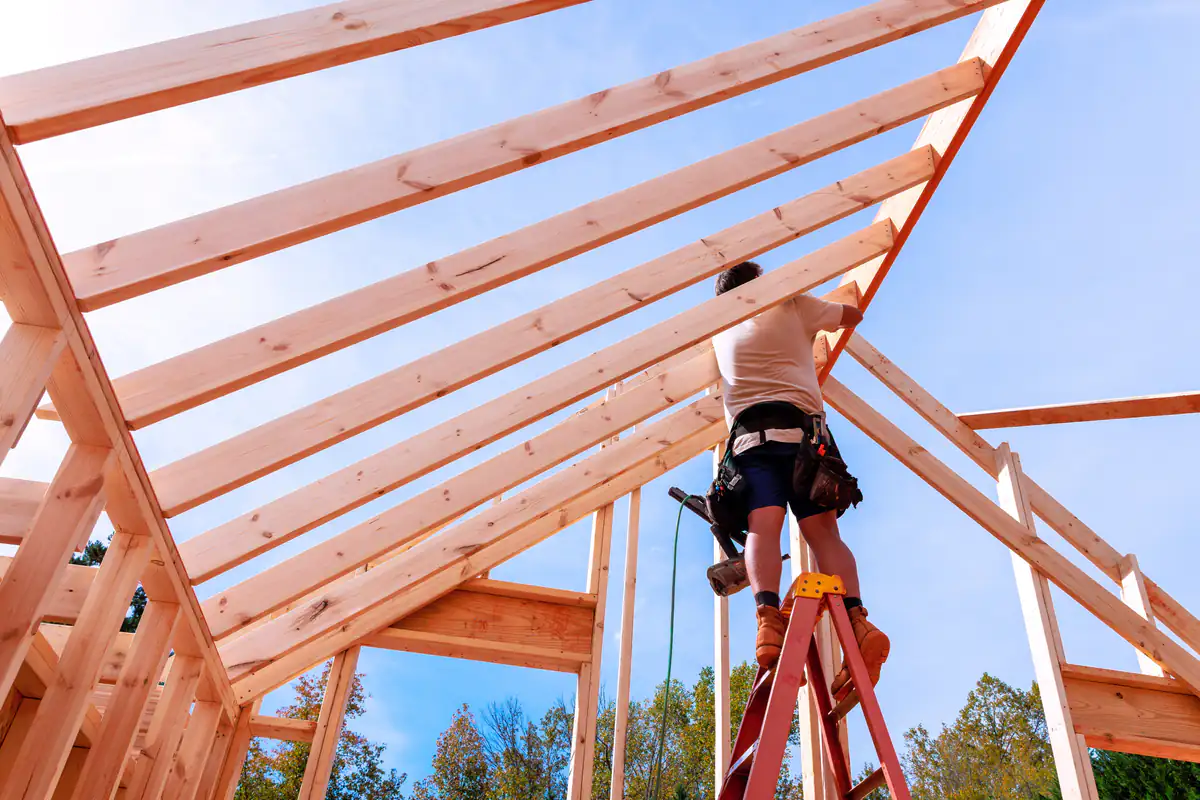
That’s what happens when a roofing contractor in Lick, CA actually knows how to install underlayment correctly, flash the valleys properly, and meet California’s Cool Roof standards without cutting corners. Most installation problems show up within five years—blistering shingles, curled edges, granule loss. Those aren’t material defects. They’re installation failures.
A properly installed roof in this climate should last 20 to 30 years minimum. If yours is failing early, someone didn’t do the work right. We’ve been doing this since 1985, and we’ve seen what happens when contractors skip steps or ignore code requirements. You end up paying twice—once for the bad job, once for the fix.
We started as an HVAC company in 1985. Ramiro took over from his father in 2006 and kept the same approach: hire people who know what they’re doing, use quality materials, and don’t leave until the job’s finished correctly.
We expanded into roofing because we kept seeing the same problems—improper ventilation, code violations, permit issues. Our HVAC background gives us a different perspective on how your roof and attic work together. Poor ventilation can cut your roof’s lifespan by 25% in California’s heat.
We’re not the biggest company in the area. We’re the one that shows up, does the work right, and handles the permits so you don’t have to deal with the city yourself.
We start with an inspection of your existing roof. You get a written estimate that includes everything—tear-off, disposal, materials, labor, permits, and any code updates your home needs. No surprises halfway through.
Once you approve the estimate, we handle the permit application with the city. That typically costs $300 to $600 in San Jose depending on your home’s size, and it’s included in our service. You don’t need to deal with any of that.
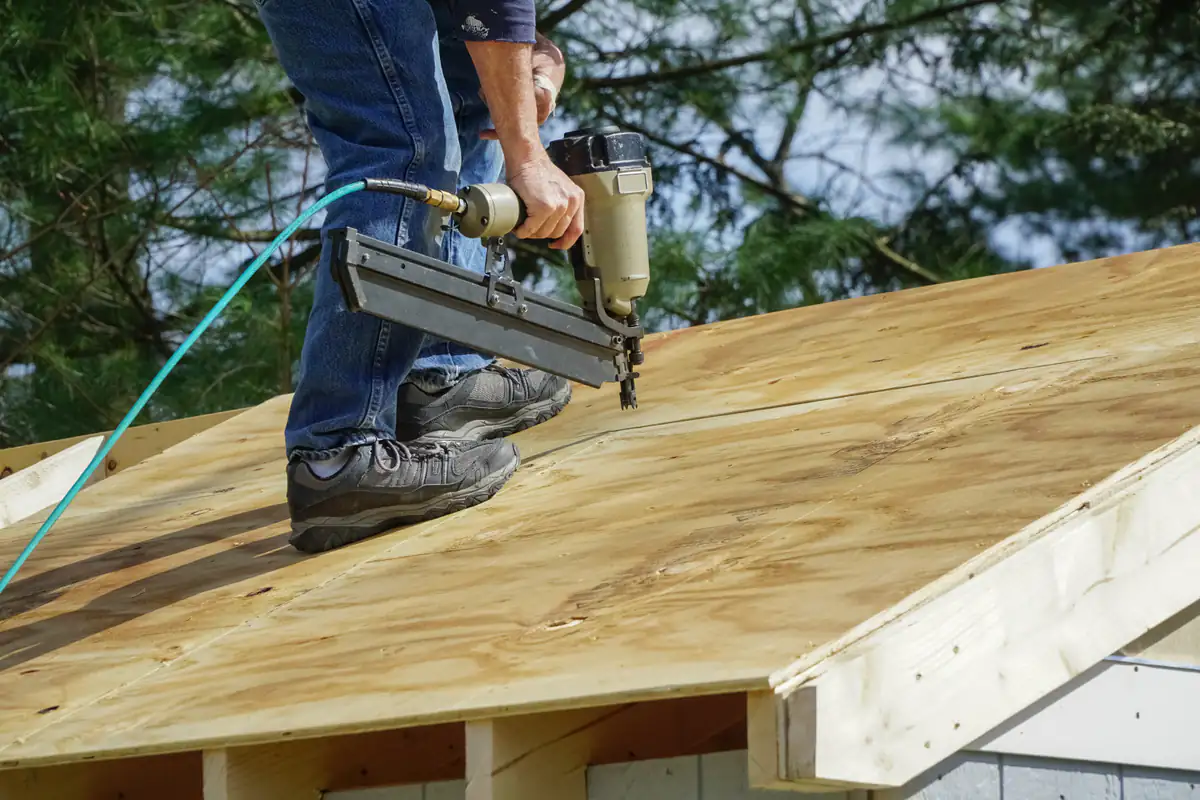
On installation day, we tear off the old roof and inspect the decking. If we find rot or damage, we call you immediately with photos and a price before doing any extra work. Then we install new underlayment, flashing, and your roofing material—whether that’s asphalt shingles, metal, or tile. We make sure ventilation meets code because that’s critical in this climate. The job isn’t done until the permit is closed and your property is cleaner than when we started.
Ready to get started?
Most residential roof installation in Lick, CA runs between $10,000 and $25,000 depending on your home’s size and the materials you choose. A standard asphalt shingle roof on a 1,500-square-foot home typically costs $10,000 to $15,000. Metal roofing costs more upfront—usually $15,000 to $25,000—but lasts 40+ years compared to 20-25 for asphalt.
Every estimate includes permits, tear-off, disposal, underlayment, flashing, ventilation work, and code compliance updates. California’s Title 24 Energy Code requires Cool Roof standards when you’re replacing more than 50% of your roof. That means your materials need to meet minimum solar reflectance and thermal emittance ratings. We handle that.
San Jose’s climate isn’t easy on roofs. You get intense UV exposure most of the year, then heavy rain when winter hits. Proper installation matters because shortcuts show up fast here—shingles that curl, underlayment that fails, flashing that leaks. We install materials correctly so they handle what this area throws at them. And we close the permit when we’re done, which protects you if you ever sell the house. Unpermitted work shows up in title searches and can kill a sale.

Most residential roof installation jobs take two to four days depending on your home’s size and roof complexity. A straightforward 1,500-square-foot ranch with a simple roofline might be done in two days. A two-story home with multiple valleys, skylights, or a steep pitch takes longer.
Weather affects the timeline. We don’t install roofing in the rain because moisture trapped under new materials causes problems down the road. If rain’s in the forecast, we’ll reschedule or pause mid-job and tarp everything securely.
The permit process adds time on the front end—usually one to two weeks for city approval before we can start work. We handle that application for you. Once the roof is installed, there’s a final inspection before the permit closes. That’s typically scheduled within a week of completion.
Yes. Any roof replacement in San Jose and Santa Clara County requires a building permit. It’s not optional, and skipping it creates serious problems.
Unpermitted work shows up during title searches when you sell your home. Buyers’ lenders often won’t approve loans on properties with unpermitted roofing work. You’ll either need to get the permit retroactively—which is expensive and complicated—or you’ll lose the sale.
Insurance companies can also deny claims if they discover your roof wasn’t permitted. If you file a claim for storm damage and they find out the roof was installed without permits, they can refuse to pay. We include permit costs in every estimate and handle the entire application process. You don’t need to deal with the city yourself. Permit costs typically run $300 to $600 depending on your home’s size, and it protects your investment.
Asphalt shingles, metal roofing, and concrete tile all work well here if they’re installed correctly and meet California’s Cool Roof requirements. Each has trade-offs.
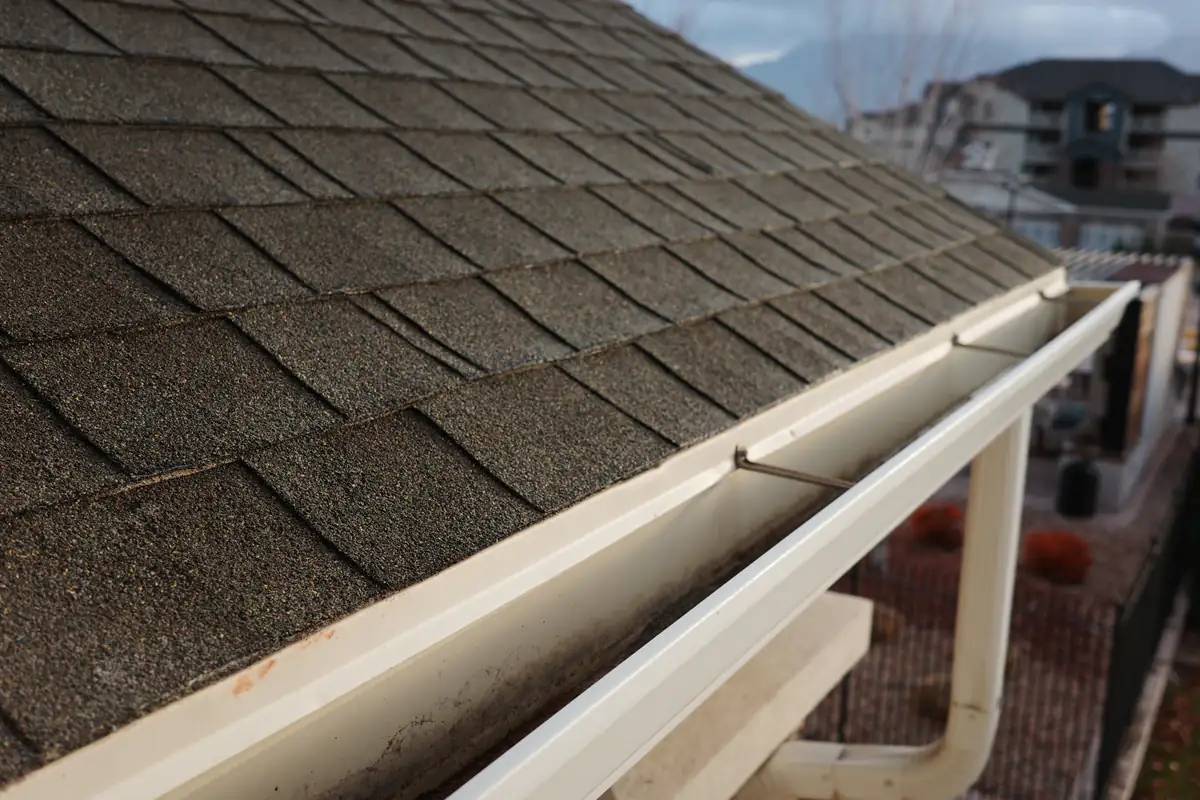
Asphalt shingles are the most affordable option—usually $10,000 to $15,000 for a standard home. They last 20 to 25 years in this climate if properly ventilated. Choose architectural shingles over three-tab because they handle UV exposure better and meet Cool Roof standards more easily.
Metal roofing costs more upfront—$15,000 to $25,000—but lasts 40+ years and reflects heat extremely well. That keeps your attic cooler and reduces energy costs. Metal is also fire-rated, which matters for insurance requirements in California.
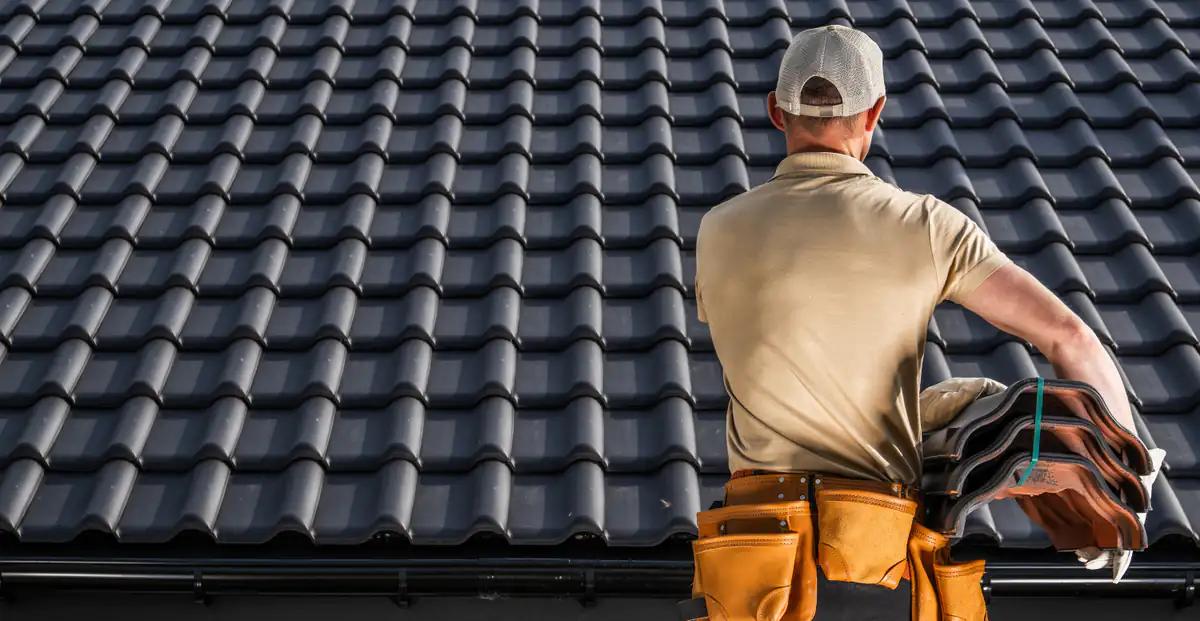
Concrete tile is durable and fire-resistant but heavy. Your home’s structure needs to support the weight, which sometimes requires reinforcement. Tile costs $18,000 to $30,000 installed but can last 50+ years. All these materials need to meet Title 24 Cool Roof standards, which we verify before installation.
If your roof is over 15 years old and showing multiple problem areas, replacement usually makes more sense than patching. Here’s why.
Insurance companies in California are now requiring roofs to be less than 15 years old or carry a “Wildfire Prepared” designation. If your roof is aging out, you might face policy non-renewal regardless of its condition. Replacing it with fire-rated materials that meet current code keeps your coverage intact.
Multiple leaks, widespread shingle damage, curling edges, or significant granule loss across the roof indicate the materials are failing. Repairs might buy you a year or two, but you’ll keep chasing problems. A full roof replacement in Lick, CA gives you 20 to 30 years of protection and brings everything up to current code—including ventilation, flashing, and Cool Roof compliance.
If the damage is isolated to one area—like a few missing shingles after a storm—repairs make sense. We’ll tell you honestly which option makes financial sense for your situation.
We call you immediately with photos and a price before doing any additional work. You’re never surprised with extra charges you didn’t approve.
Roof decking damage is common, especially around chimneys, valleys, and edges where water tends to collect. Sometimes the damage isn’t visible until the old roofing comes off. We inspect the decking thoroughly during tear-off and document anything that needs replacement.
Rotten or damaged decking has to be replaced before we install new roofing. Installing over compromised decking is a code violation and creates structural problems. We give you a clear explanation of what’s damaged, why it needs replacement, and exactly what it costs. You approve the work before we proceed.
Most decking repairs add $500 to $2,000 to the project depending on how much needs replacement. It’s not something we can predict in the initial estimate because the damage is hidden under your existing roof. But we handle it transparently so you understand exactly what you’re paying for.
California’s building codes are stricter, labor costs are higher, and Cool Roof requirements add to material expenses. You’re paying for compliance and quality that protects your investment long-term.
Title 24 Energy Code requires Cool Roof materials in most climate zones, which cost more than standard roofing. Those materials have to meet specific solar reflectance and thermal emittance ratings. That keeps your home cooler and reduces energy costs, but the materials themselves are pricier upfront.
Permitting and inspections add to the cost but protect you legally. Other states have looser requirements. California requires licensed contractors, proper permits, and inspections to ensure work meets structural and fire safety standards. That’s especially important in areas with wildfire risk.
Labor rates in Santa Clara County reflect the cost of living here. Skilled roof installers in Lick, CA earn more than in other parts of the country, and that’s reflected in project costs. You’re paying for experience and expertise that ensures your roof is installed correctly the first time—which saves you money over the roof’s lifespan.
Other Services we provide in Lick