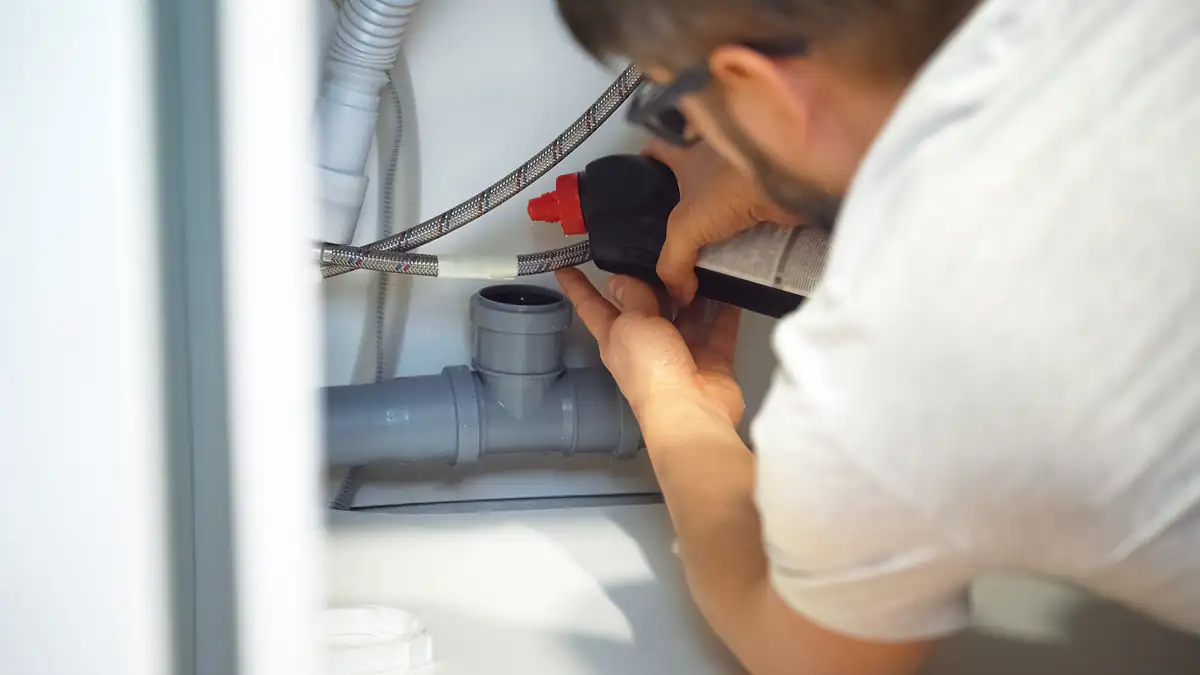
Emergency plumber calls don't happen randomly—they're the result of ignored warning signs. Learn how Santa Clara County homeowners prevent costly midnight emergencies with simple maintenance that actually works.
Share:

Summary:
That sinking feeling when you hear water running where it shouldn’t. The panic when you realize the basement is flooding. The frustration of calling an emergency plumber at 2 AM and knowing this is going to cost a fortune.
Here’s what nobody tells you: most of those emergencies announced themselves weeks ago. The slow drain you kept meaning to fix. The toilet that’s been running a little too long. The water heater making strange noises you decided to ignore. Small problems don’t stay small—they grow until something breaks.
You can stop most plumbing emergencies before they start. Not with expensive upgrades or complicated repairs. With regular attention to your system and quick action when you spot warning signs. Here’s what works in Santa Clara County homes, where hard water and aging infrastructure create specific challenges you need to address.
Emergency plumbing repair costs three to five times more than scheduled maintenance. You’re paying for urgency, not just the fix.
When your pipe bursts at midnight, you don’t have options. You call whoever answers and pay whatever they charge. In Santa Clara County, emergency plumber rates hit $200-500 per hour depending on timing. A routine maintenance visit? A fraction of that cost, and it prevents the emergency entirely.
The real savings come from avoiding damage. A burst pipe doesn’t just need repair—it floods your home, ruins flooring, soaks drywall, and creates mold conditions. Regular maintenance catches the corroded connection before it fails. You fix a small leak for $100 instead of paying thousands for water damage restoration and plumbing repair combined.
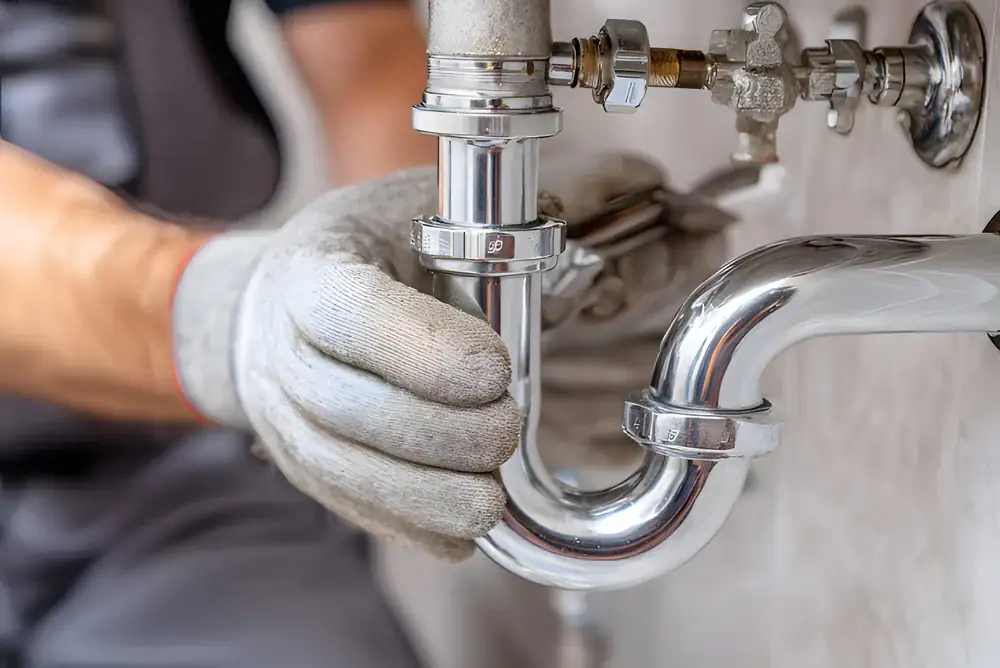
Santa Clara County has some of the hardest water in the South Bay. That’s not just a water quality issue—it’s a plumbing killer.
High mineral content in local groundwater means calcium and magnesium are constantly building up inside your pipes, faucets, and water heater. You see it as white crust around fixtures. Inside your plumbing, it’s accumulating as scale that restricts flow, increases pressure, and accelerates wear.
Your water heater takes the worst beating. Minerals settle at the bottom of the tank, creating an insulating layer between the heating element and water. The element has to work harder and hotter to heat the same amount of water. Efficiency drops by up to 25%. Energy bills climb. The unit fails years before it should.
Pipes narrow from the inside as deposits build up. Water pressure drops. Flow becomes uneven. In older homes with galvanized piping, the minerals accelerate corrosion that’s already happening. The combination weakens pipes until they develop pinhole leaks or fail completely.
You can see the evidence before it becomes a crisis. Reduced water pressure in the shower. White buildup on faucet aerators. Water taking longer to heat up. Your dishwasher not filling as quickly as it used to. These aren’t minor annoyances—they’re symptoms of mineral damage throughout your system.
Flushing your water heater every six months removes sediment before it calcifies. Cleaning aerators keeps fixtures flowing properly. A water softener addresses the root problem by removing minerals before they enter your plumbing. None of this is complicated, but skipping it means replacing your water heater years early and dealing with leaks that could have been prevented.
The choice is simple: manage hard water proactively or pay for the damage it causes. Most Santa Clara County homeowners learn this lesson the expensive way. You don’t have to.
Monthly visual inspections catch most problems while they’re still cheap to fix. Walk through your home and check under every sink, around toilets, near the water heater, and anywhere pipes are visible. Look for moisture, stains, corrosion, or anything different from last month.
Your water bill tells you things you can’t see. An unexplained spike usually means a leak somewhere in your system. A running toilet wastes 200 gallons daily. A small slab leak can run for months before you notice the wet spot. The bill catches it first if you’re paying attention.
Seasonal checks matter in Santa Clara County even though freezes are rare. Before winter, insulate pipes in unheated areas—attics, crawl spaces, exterior walls. A cold snap might not freeze solid, but it can crack older pipes that are already stressed. Before summer, check irrigation systems and outdoor faucets for damage from the off-season.
Annual professional inspections find what you’ll miss. We use cameras to check sewer lines for tree root intrusion. We test water pressure to identify hidden leaks. We inspect the water heater for corrosion you can’t see from outside. We catch problems months before they show symptoms.
Some homeowners skip inspections when everything seems fine. That’s exactly when problems are developing. Plumbing doesn’t fail suddenly—it degrades over time. The leak starts small. The clog builds gradually. The corrosion spreads slowly. By the time you notice, it’s already serious.
Think about the cost differently. An annual plumber inspection runs a few hundred dollars. An emergency plumbing repair after a pipe bursts? Several thousand, plus water damage. The inspection isn’t an expense—it’s insurance against much bigger costs.
You’re not looking for perfection during inspections. You’re looking for changes. A connection that’s slightly damp now but was dry last month. Discoloration that wasn’t there before. Reduced pressure in one fixture. These small changes signal bigger problems developing. Catch them early and you fix them on your schedule, not when they force an emergency call.
Want live answers?
Connect with a All Fresh Temp expert for fast, friendly support.
Emergency plumber calls usually stem from the same handful of issues. Knowing what fails most often tells you where to focus your maintenance attention.
Drain clogs don’t happen overnight. They build as hair, soap scum, grease, and mineral deposits accumulate. By the time water barely drains, the blockage is severe. Monthly cleaning with a drain snake or enzyme treatment keeps pipes clear and prevents complete blockages that back up into your home.
Running toilets signal worn internal parts that will fail completely if ignored. The flapper valve wears out from constant use. The fill valve sticks. The flush valve develops leaks. Test for leaks by adding food coloring to the tank—if color appears in the bowl without flushing, you’re losing water. A $20 flapper replacement takes ten minutes. Ignoring it wastes hundreds of gallons and eventually leads to more serious failure.
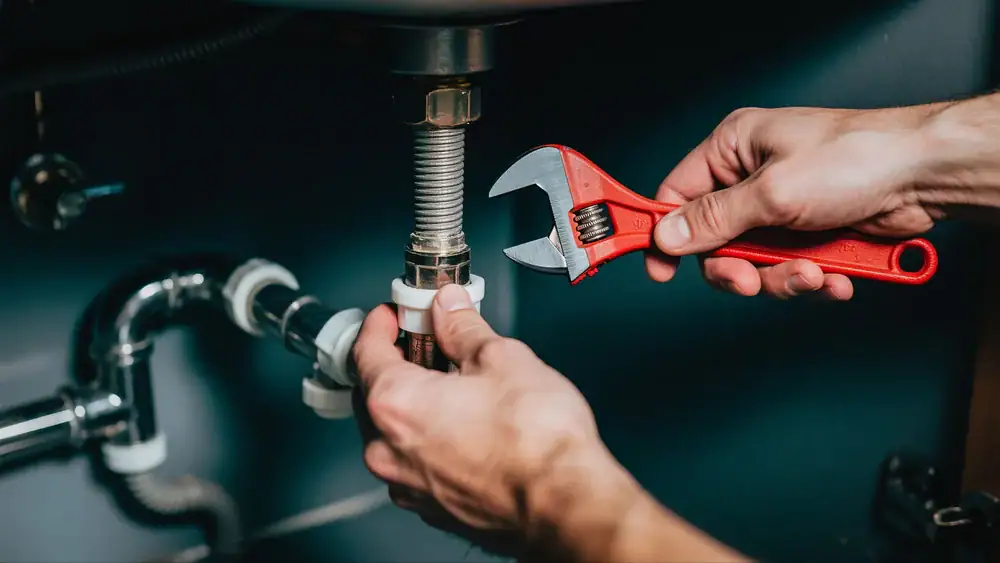
Water heater failure is one of the most common reasons homeowners call an emergency plumber. The tank ruptures, floods the area, and needs immediate replacement. Almost always preventable with basic maintenance.
Sediment buildup kills water heaters in Santa Clara County faster than anywhere with soft water. Minerals settle at the bottom of the tank, hardening into a layer that insulates the heating element from the water. The element overheats trying to compensate. Efficiency drops by 25% or more. The tank corrodes from the inside. Lifespan gets cut by years.
Draining and flushing the tank every six months removes sediment before it causes damage. You’re not doing a complete cleanout—just running enough water through the drain valve to clear loose material from the bottom. Takes 20 minutes twice a year and extends the life of your water heater by years.
Check the pressure relief valve annually. This safety device prevents dangerous pressure buildup inside the tank. Lift the lever and make sure water flows out, then closes completely when you release it. If it doesn’t move or keeps dripping afterward, it needs replacement. A stuck valve won’t protect you if pressure spikes.
Watch for corrosion around the tank, especially at connections and near the base. Rust on the outside often means the inside is deteriorating too. Small leaks at fittings can be tightened or resealed. A leak from the tank itself means the unit is done—you can’t fix a corroded tank, only replace it.
Temperature settings affect both performance and longevity. Too hot and you’re wasting energy while accelerating mineral precipitation. Too cold and bacteria can grow in the tank. Set it to 120°F—hot enough for household needs, cool enough to minimize wear and energy costs.
Tank water heaters last 8-12 years with proper maintenance. Without it, expect 5-7 before failure. That’s years of service lost to neglect, ending in an emergency when the tank finally ruptures and floods your home. Regular maintenance gives you control over when you replace it, not the other way around.
Performance changes warn you before complete failure. Longer heat-up times. Running out of hot water faster. Rumbling or popping noises from the tank. Discolored or rusty water from hot taps. These symptoms mean something’s wrong inside. Ignoring them guarantees an emergency plumber call eventually.
Some problems need professional attention immediately, before they turn into emergencies. Knowing when to call a plumber saves you from making a bad situation worse.
Sudden water pressure changes throughout your house signal a major issue. If pressure drops in multiple fixtures at once, you could have a main line leak, failing pressure regulator, or serious blockage. Low pressure from a single faucet might just need aerator cleaning. Whole-house pressure loss needs professional diagnosis now, before a pipe fails completely.
Sewer odors inside your home mean gases are escaping from the drainage system. Dry traps, blocked vents, or cracked sewer lines let methane and hydrogen sulfide into your living space. Both gases pose health risks. The smell isn’t just unpleasant—it’s a warning that something in your drainage system has failed.
Water stains on ceilings or walls mean an active leak somewhere above. The stain you see is only part of the damage. Water has likely been running for a while, soaking insulation, rotting framing, and creating mold conditions. The longer it runs, the more destruction it causes. A plumber can locate and stop the leak before it ruins your home.
Multiple drain clogs happening simultaneously point to a main sewer line problem, not individual fixture issues. When toilets, sinks, and showers all back up together, tree roots, collapsed pipe, or severe blockage in the main line is responsible. This requires professional equipment—cameras, hydro-jetting, possibly excavation. Not something you can fix with a plunger.
Burst pipes and major leaks obviously demand emergency response. Shut off the main water supply immediately to stop the flooding, then call for help. Every minute counts when water is pouring into your home. An emergency plumber has the tools and experience to make repairs that hold, not temporary fixes that fail again.
Gas leaks require immediate evacuation and professional service. If you smell gas, don’t use light switches, phones, or anything that could spark. Leave the building. Call the gas company and a licensed plumber from outside. Gas line work requires specialized training and equipment—attempting DIY repairs can kill you.
The line between DIY and professional plumbing repair is straightforward: if you’re not sure what’s wrong or how to fix it safely, call a plumber. Replacing a flapper valve? You can handle it. Diagnosing why pressure dropped throughout the house? That needs expertise. Knowing when to call prevents you from turning a manageable problem into a disaster that costs ten times more to fix.
Preventative maintenance isn’t exciting. It doesn’t give you the satisfaction of fixing something that’s broken. It just quietly prevents disasters you’ll never know you avoided.
That’s exactly why it works. Regular inspections catch small problems. Basic upkeep prevents wear from becoming failure. Attention to warning signs gives you time to fix issues on your schedule, not in a panic at midnight. You’re not trying to eliminate every plumbing problem—you’re stopping the ones that turn into emergencies.
The maintenance schedule is simple: monthly visual checks, seasonal prep, annual professional inspections, and immediate attention to anything that changes. Flush your water heater twice a year. Clean drains before they clog. Address hard water issues before they destroy fixtures. None of this is complicated, but consistency makes the difference between a system that lasts and one that fails early.
When you need professional plumbing repair or maintenance, work with a contractor who understands Santa Clara County homes. We’ve been serving this area since 1985, with deep knowledge of how local water quality, aging infrastructure, and building codes affect your plumbing system. Regular maintenance now means fewer emergency plumber calls later—and that’s an investment that pays for itself the first time it prevents a disaster.
Article details:
Share:
Continue learning:
Get Your Free HVAC Quote Today
Contact our friendly team today for a free estimate and experience the difference.
Company
Support
Useful Links