Planning a new roof? Most installations take 1-3 days for standard homes, but your timeline depends on roof size, material choice, and local weather patterns.
Share:
Summary:
You need a new roof. Maybe you’ve noticed leaks during Santa Clara County’s wet winter months, or your shingles are curling after years of California sun. The question keeping you up at night isn’t whether you need it done—it’s how long your life will be disrupted once the project starts.
Nobody wants their home torn apart for weeks. You’ve got work schedules to manage, kids to coordinate, and a life that doesn’t pause for home improvement projects. The good news? Most roof installations move faster than you probably think. The timeline depends on factors you can actually understand and plan around—not contractor double-talk or vague estimates. Let’s break down what really determines how long your roof installation takes.
For a typical single-story home in Santa Clara County with asphalt shingles, expect the actual installation to take one to three days. That’s tear-off, installation, and cleanup. Smaller homes under 2,500 square feet often finish in a single day when conditions cooperate.
But here’s the reality check: that one-to-three-day window is just the hands-on work. From your first call to final inspection, the full process usually spans two to three weeks. That includes scheduling, permits, material delivery, and weather coordination.
The timeline stretches when you add complexity. Two-story homes take longer than single-story. Metal roofs require more precision than asphalt shingles. Tile installations demand careful handling that slows the pace. And Santa Clara County’s permit requirements add time before the first shingle even comes off.
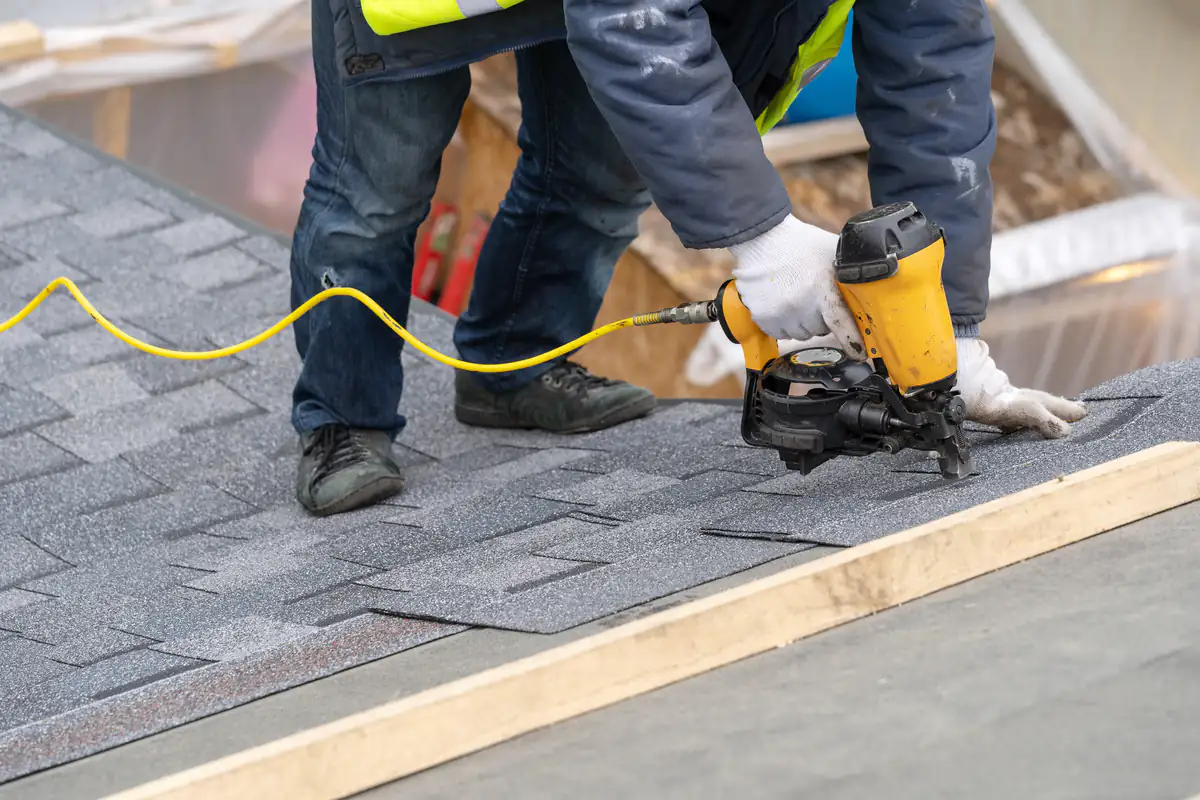
The material you choose makes the biggest difference in how long you’ll have crews on your roof. Asphalt shingles install fast—one to three days for most homes. They’re lightweight, contractors know them inside and out, and the process moves quickly.
Metal roofing takes longer. Each panel needs precise measurement and alignment. You’re looking at three to seven days depending on your roof size and design complexity. The payoff is durability that outlasts asphalt by decades, but the installation requires patience.
Tile roofs sit at the other end of the spectrum. Clay or concrete tiles are heavy and fragile. Installers work carefully to avoid breaks, and the roof structure sometimes needs reinforcement before tiles even go on. Plan for six to twelve days, possibly more if your roof has multiple levels or complex angles.
Wood shakes fall somewhere in the middle—typically two to eight days. Each shake gets placed individually, and fire retardant treatments add steps to the process. Synthetic materials like composite slate take about six to seven days because they require specific installation techniques to maintain warranty coverage.
The availability of your chosen material also matters. Standard asphalt shingles ship quickly. Specialty tiles or custom metal panels might sit on backorder for weeks, pushing your start date regardless of how fast the actual installation goes. If you’re working within a tight timeline, ask about material lead times during your estimate. That conversation will help prevent surprises when you’re ready to schedule.
Your contractor should explain these differences upfront. If they promise a one-day turnaround on a complex tile roof, that’s a red flag. Quality work takes the time it takes. Rushing a roof installation to meet an unrealistic deadline creates problems you’ll deal with for years.
A small ranch house and a sprawling two-story don’t take the same amount of time. Larger roofs mean more square footage to cover, more materials to handle, and more labor hours. A 1,200 square foot roof might finish in a day. A 3,000 square foot roof could take three or four days even with a full crew.
But size isn’t the only factor. Complexity matters just as much. A simple gable roof with no interruptions installs quickly. Add chimneys, skylights, dormers, and multiple valleys, and the timeline extends. Each feature requires careful flashing, precise cuts, and extra attention to waterproofing.
Roof pitch affects speed too. Steep roofs slow everything down. Workers need additional safety equipment, move more carefully, and can’t carry as much material at once. What takes four hours on a gentle slope might take eight on a steep pitch.
Accessibility plays a role you might not consider. If your home sits on a tight lot with limited space for dumpsters and material staging, crews spend extra time moving things around. Trees close to the roofline create obstacles. Narrow driveways mean smaller delivery trucks and more trips.
The condition of your existing roof adds another variable. If the old roof comes off cleanly and the decking underneath looks solid, work proceeds on schedule. Discover rotted plywood, water damage, or structural issues, and the project pauses for repairs. These surprises add one to three days depending on how extensive the damage runs.
Multi-story homes take longer than single-story for obvious reasons. Getting materials to the roof takes more effort. Safety protocols become more stringent. The crew moves more slowly because the consequences of a mistake increase with height. A straightforward single-story installation that takes two days might stretch to four on a two-story home with the same square footage.
Your contractor should inspect the roof before giving you a timeline. Anyone quoting a schedule without seeing your specific roof is guessing. The estimate should account for your home’s unique characteristics—not just square footage pulled from county records.
Want live answers?
Connect with a All Fresh Temp expert for fast, friendly support.
Even the best-planned roof installation hits delays. Some you can anticipate. Others appear without warning. Understanding the common culprits helps you build buffer time into your schedule instead of getting blindsided.
Weather tops the list. Rain stops roofing work immediately. You can’t install shingles on wet decking—they won’t seal properly, and you’ll end up with leaks. High winds above 40 mph turn loose materials into hazards. Extreme heat slows crews down and affects material performance.
Santa Clara County’s wet winters create scheduling challenges. Contractors watch forecasts closely, but weather doesn’t always cooperate. A surprise storm can pause work for a day or more. Spring and early fall offer the most reliable weather windows, though that’s also when contractors book up fastest.
The biggest delays come from problems you can’t see until the old roof comes off. Rotted decking. Water damage that spread beyond the obvious leak. Pest damage that compromised the structure. These issues don’t show up during an inspection from the ground.
When crews discover structural problems, they can’t just cover them up and keep going. The decking needs replacement. Damaged rafters need repair or reinforcement. Water damage requires investigation to make sure it hasn’t spread to the interior.
These repairs add one to three days minimum, sometimes more if the damage is extensive. They also add cost. Your contractor should build contingency language into the estimate for unexpected repairs, but the timeline impact still disrupts your plans.
The age of your roof correlates with hidden damage risk. If your roof is twenty-plus years old and you’ve had leaks, expect some surprises underneath. Newer roofs with isolated damage usually come off cleaner. Ask your contractor what percentage of similar projects uncover unexpected issues. Their experience gives you a realistic probability.
Some contractors offer pre-installation inspections that include removing a small section of roofing to check decking condition. This adds a step to the process but reduces the chance of major surprises mid-project. For older roofs, it’s worth considering.
The key is building flexibility into your timeline. If the estimate says three days and you’re planning to be back at work on day four, you’re setting yourself up for stress. Give yourself a buffer. Plan for five days. If the job finishes early, great. If it hits a delay, you’re covered.
Santa Clara County requires permits for most roof replacements. If you’re replacing or repairing more than 25% of your roof’s surface area, you need a permit. Projects involving structural changes, skylights, or solar panel integration require permits regardless of size.
The permit process takes time. Application submission, review, and approval can span anywhere from a few days to several weeks depending on the jurisdiction and current workload. Some cities move faster than others. Your contractor should handle the permit process, but it affects your overall timeline.
Inspections add another layer. Building departments typically require inspections at various stages—sometimes after tear-off to verify decking condition, sometimes after installation to confirm proper technique. Inspector availability varies. In busy seasons, you might wait several days for an inspection slot.
Skipping permits to save time or money is a mistake. If the building department discovers unpermitted work, they can require removal and reinstallation done properly. That turns a three-day project into a multi-week nightmare. Permits also matter for insurance claims and home sales. Future buyers will ask for permit records.
Your contractor should factor permit timelines into the project schedule from the start. If they suggest skipping permits or seem vague about the process, that’s a warning sign. Professional contractors know local requirements and build that time into realistic estimates.
Code compliance sometimes requires upgrades beyond simple replacement. California’s Title 24 energy efficiency standards affect many roof replacements. Your new roof might need enhanced ventilation, radiant barriers, or other features that weren’t on the old roof. These requirements add time and cost, but they’re not optional.
Ask about the permit timeline during your initial consultation. Find out which inspections apply to your project and how inspector availability typically runs in your area. This conversation helps you understand the full timeline—not just the days with hammers on your roof.
Most roof installations in Santa Clara County take one to three days of active work for standard asphalt shingle roofs. Add time for permits, material delivery, and potential weather delays, and you’re looking at two to three weeks from start to finish. Metal and tile roofs take longer—plan accordingly.
The key to a smooth project is realistic expectations. Understand what affects your timeline. Choose your material knowing the installation requirements. Build buffer time for weather and unexpected repairs. Work with a roofing contractor who explains the process clearly instead of promising unrealistic speed.
Your roof protects everything inside your home. Rushing the installation to save a day or two creates problems that last for years. Quality work takes the time it takes. When you’re ready to move forward with your roof installation project in Santa Clara County, CA, we bring the experience and transparency you need for a project done right.
Article details:
Share:
Continue learning:
Get Your Free HVAC Quote Today
Contact our friendly team today for a free estimate and experience the difference.
Company
Support
Useful Links