Ceiling leak at midnight? Learn exactly when your Santa Clara County home needs an emergency roofer or plumber versus what can wait until morning.
Share:

Summary:
It’s 2 AM and water is dripping from your ceiling. Or your toilet just overflowed and won’t stop. Or you’re staring at a wet spot that’s spreading across your floor faster than you can think.
Here’s what you actually need to know: not every leak requires emergency service, but some absolutely do. The difference matters because emergency rates run two to three times higher than scheduled service, and because waiting on a real emergency turns a manageable repair into thousands in damage. This isn’t about dramatic worst-case scenarios. It’s about giving you clear criteria so you can make the right call for your Santa Clara County home without second-guessing yourself at midnight.
Three questions tell you everything. Is it getting worse right now? Is someone’s safety or health at risk? Can you stop it or shut it off? If water is actively spreading, if you’re dealing with sewage or gas, or if you can’t control the source, you’re looking at an emergency.
Everything else comes down to how those questions play out in real situations. A burst pipe flooding your kitchen checks all three boxes. A faucet dripping into your sink every few seconds checks none of them. Most problems fall somewhere in between, which is exactly why you need specific examples instead of vague guidelines.
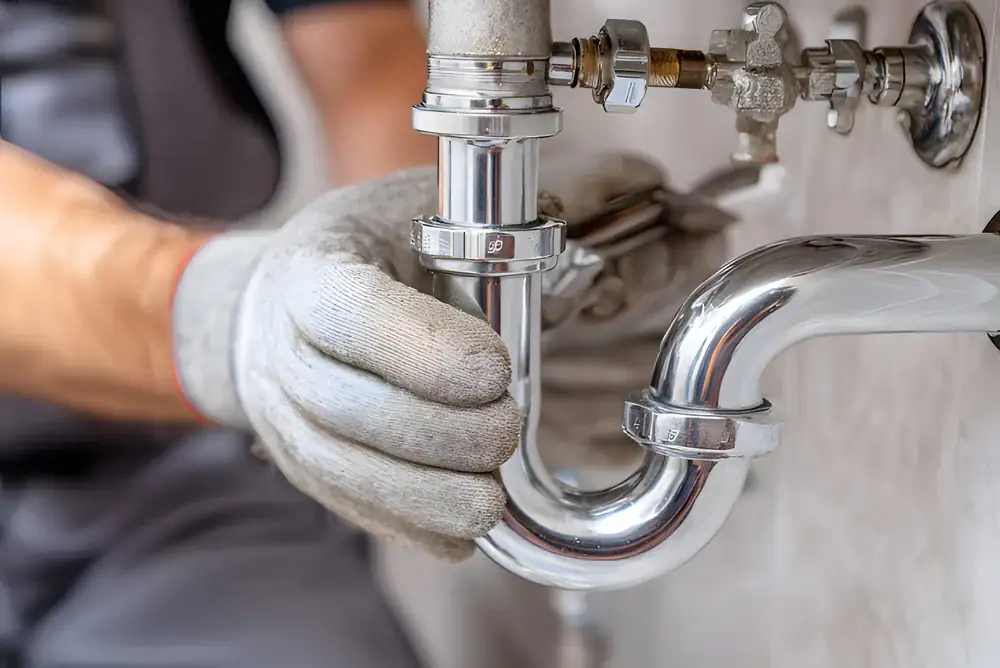
Burst pipes release water at rates that sound impossible until you’re standing in it. A half-inch pipe can dump 50 gallons per minute into your home. Larger pipes? Over 3,000 gallons per minute. That’s not a leak you mop up. That’s water soaking through floors, walls, and ceilings while you’re still trying to find the main shutoff valve. If you see water gushing from a wall, ceiling, or pipe, turn off your main water supply and call an emergency plumber. Every minute you wait adds to the damage and the repair bill.
Sewage backing up through your drains or toilet creates an immediate health hazard. Raw sewage carries bacteria that contaminate everything it touches—floors, walls, furniture, and anything else in its path. If sewage is rising in your toilet, backing up through shower drains, or flooding any part of your home, this is not a “wait until morning” situation. The health risks alone make this an emergency, and the longer sewage sits, the more expensive the cleanup becomes.
Water heater failures turn into emergencies when they involve significant leaks or gas. A water heater in your garage or basement can leak for hours before you notice, and by then, you’re dealing with water damage that extends well beyond the heater itself. If you smell gas near your water heater, shut off the gas supply, evacuate your home, and call both your gas company and an emergency plumber. During Santa Clara County winters, complete loss of hot water can also qualify as urgent, especially for households with elderly family members or young children who can’t safely manage cold water.
Overflowing toilets fall into emergency territory when you can’t stop the overflow, don’t have another bathroom, or multiple drains are backing up simultaneously. If you have two bathrooms and can shut off the water to the problem toilet, you can probably wait for regular business hours. But if your only toilet won’t stop overflowing, or if you’re seeing backups in multiple fixtures at once, you’re likely dealing with a main sewer line problem that needs immediate attention.
No water coming out of any faucet in your house signals a problem that could be hiding serious damage. Before calling a plumber, check with neighbors to see if this is a water supplier issue. If they have water and you don’t, you might have a main line break that’s flooding somewhere you can’t see yet. This warrants a same-day call even if it’s not technically middle-of-the-night urgent.
Water actively entering your living space through the roof creates immediate risk. It’s not just about the water you can see dripping. It’s about what’s happening inside your ceiling and walls where water soaks insulation, damages electrical wiring, and weakens structural materials. If water is pouring or steadily dripping into rooms you actually use, call a roofer now. Even if it’s just a small amount, water near electrical fixtures or your breaker box makes this an emergency regardless of volume.
Storm damage that tears off shingles, punctures your roof, or creates openings where wind and rain can enter demands fast response. After Santa Clara County gets hit with strong winds or heavy rain, check your attic and ceilings for signs of intrusion. Water stains, active dripping, or visible daylight coming through your roof all mean you need help before the next weather system rolls through. Temporary tarping can buy you time, but don’t let “temporary” stretch into weeks.
Sagging ceilings signal that water has already soaked through your insulation and added enough weight to compromise the ceiling structure. This happens whether the water comes from a roof leak or a plumbing issue above. Either way, a ceiling that’s sagging or bulging can collapse without much warning. If you see this, call for an emergency assessment immediately. This isn’t about protecting your belongings. This is about preventing a ceiling from caving in on someone.
Most roof issues don’t require emergency service, though. A few missing shingles you notice on a clear day, minor flashing wear that isn’t currently leaking, or small leaks confined to your attic that you can manage with a bucket—these give you time to get multiple estimates and schedule repairs during normal business hours. The key is whether water is actively damaging your living space or threatening to do so before you can get scheduled service.
Want live answers?
Connect with a All Fresh Temp expert for fast, friendly support.
Plenty of problems feel urgent without actually being emergencies. The difference comes down to whether you can safely contain the issue and keep using your home’s essential systems while waiting for a scheduled appointment. If you can shut off the water, catch drips in a bucket, or work around the problem for a day or two, you can skip the emergency rates and schedule service during regular hours.
Slow drains, dripping faucets, running toilets, and minor leaks you can control all fall into this category. So do water heaters that still produce some hot water but aren’t working optimally, toilets that flush but take longer than they should, and roof issues that aren’t currently letting water into your living areas. You’re not ignoring these problems. You’re just being smart about when and how you address them.
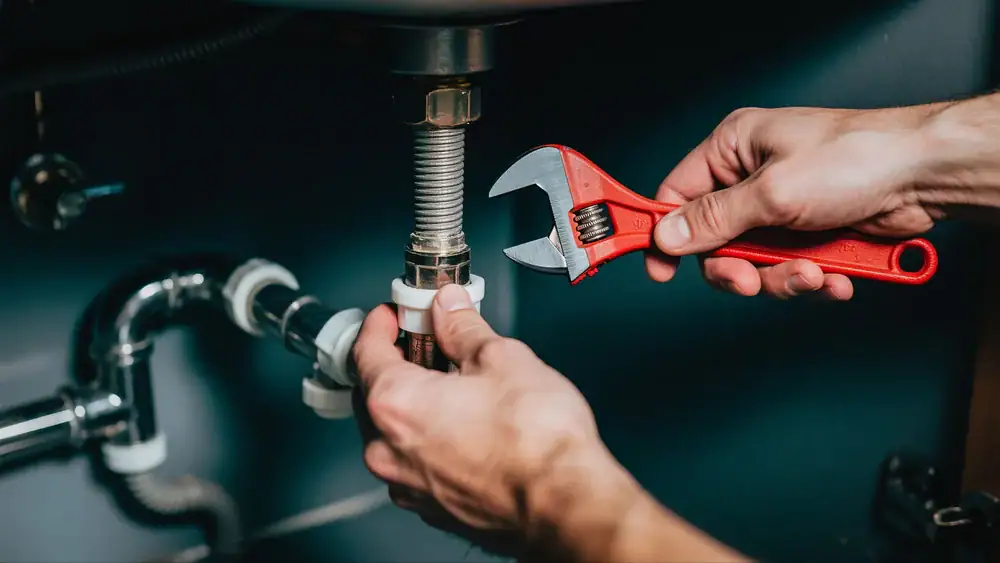
A faucet dripping every few seconds wastes water and makes an annoying sound, but it’s not flooding anything. Turn the shutoff valve under the sink to slow or stop it temporarily, or just catch the drips in a container until a plumber can properly fix it. Same logic applies to a running toilet. If you have multiple bathrooms, shut off the water to the problem toilet and use another one while you schedule repairs for a convenient time.
Low water pressure in one or two fixtures usually points to something localized—a clogged aerator, a problem with that fixture’s supply line, or mineral buildup in older pipes. If your other faucets work fine, this isn’t urgent. Try cleaning the aerator first. If that doesn’t help, schedule a plumber to investigate within a few days. However, if water pressure drops suddenly throughout your entire house, treat this more seriously. It could indicate a main line leak that’s wasting water and causing hidden damage.
Water heater problems that don’t involve leaking or gas can typically wait a few days for scheduled service. Strange rumbling noises, water that’s not as hot as it used to be, or longer recovery times between hot showers all tell you your water heater needs attention soon. Just keep an eye on it. If you notice water pooling around the base or smell gas, immediately upgrade this to an emergency call.
Small leaks you can control by shutting off a valve give you breathing room to get multiple quotes and choose a plumber during regular hours. Spot a leak under your sink? Turn off the water supply to that fixture and put a bucket underneath to catch remaining drips. This buys you time to schedule service without paying two or three times the normal rate. Just don’t let “I can manage this” turn into weeks of ignoring it. Small leaks often indicate bigger problems, and water damage accumulates even from minor drips.
Missing or damaged shingles you discover during a routine inspection don’t automatically need emergency service, especially if you find them on a clear day with good weather in the forecast. If your roof isn’t actively leaking and Santa Clara County’s weather looks dry for the next several days, you have time to get estimates from multiple roofing contractors and schedule work that fits your budget and calendar.
Minor leaks confined to your attic that you can manage with a bucket or tarp occupy a gray area. If water only drips during heavy rain, you’re not seeing ceiling stains in your living spaces, and you can contain what’s coming through, this might not qualify as an emergency. That said, don’t let this become your new normal. What starts as a manageable attic leak damages insulation, promotes mold growth, and eventually soaks through to your ceilings. Schedule repairs soon, even if you don’t need someone at 2 AM.
Worn flashing around chimneys or vents that hasn’t started leaking yet gives you time to plan repairs properly. If you notice the flashing looks deteriorated during an inspection but water isn’t getting in, add this to your maintenance schedule for the next few months. Just don’t forget about it, especially as Santa Clara County’s rainy season approaches. Being proactive costs less than waiting for the leak to announce itself.
Cosmetic issues like discolored shingles, minor granule loss, or small areas of wear don’t demand immediate action unless they’re actually letting water through. These signs tell you your roof is aging and will need attention eventually, but you can research roofing contractors, compare options, and make informed decisions about materials and timing instead of making rushed choices under pressure.
The line between emergency and “this can wait” comes down to three factors: how fast the problem is escalating, whether it threatens safety or health, and if you can stop or contain it. When water is actively spreading, sewage is backing up, or your home’s structure is at risk, call for emergency help. The premium you pay for immediate service beats the cost of letting damage compound.
For everything else, take a moment. Shut off the water supply if possible, contain what you can, and schedule service during regular business hours. You’ll save money, have time to choose the right contractor, and still get the problem fixed before it becomes something bigger. The key is being honest about what you’re actually dealing with.
We’ve been helping Santa Clara County homeowners since 1985, providing both emergency response and scheduled service depending on what the situation actually requires. Whether you need someone immediately or want to schedule repairs that work with your timeline, reach out for straight answers about what your specific situation needs.
Article details:
Share:
Continue learning:
Get Your Free HVAC Quote Today
Contact our friendly team today for a free estimate and experience the difference.
Company
Support
Useful Links